
 Skip to content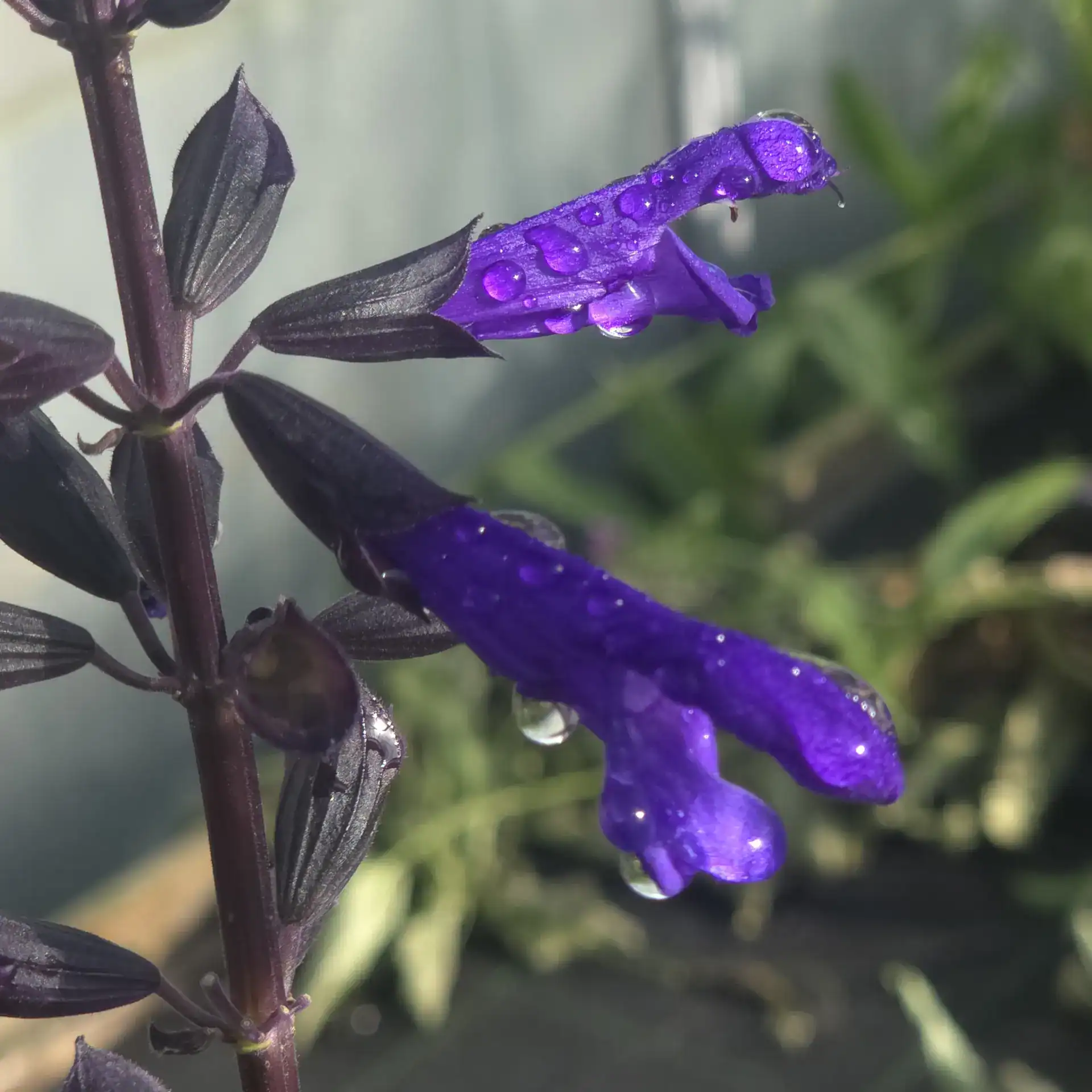


✅ In Stock • Dispatched from our nursery
✅ Free delivery over £59.99
Smaller sizes establish quickly • Larger sizes give a instant impact
Seasonal availability helps us send plants at their best
Exceptional plants, better value
Mix & match • Create your own combination • Pot sizes subject to availability
P9(9cm Pot)
1 Litre(13cm Pot)
3+ plants
£25.00
£30.00
Save 5%
6+ plants
Most Popular!
£45.00
£58.00
Save 10%
9+ plants
£60.00
£80.00
Save 15%
*excludes new for 2026 varieties • to see a full list of excluded plants click here*
Exceptional plants, better value
Mix & match • Create your own combination
P9 (9cm)
1 Litre
3+ plants
£25.00
£30.00
Save 5%
6+ plants
Most popular!
£45.00
£58.00
Save 10%
9+ plants
£65.00
£80.00
Save 15%
Plant information
Plant Description
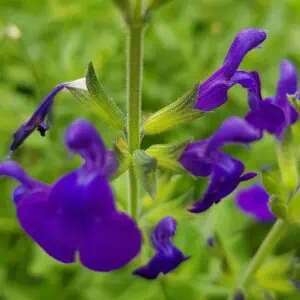
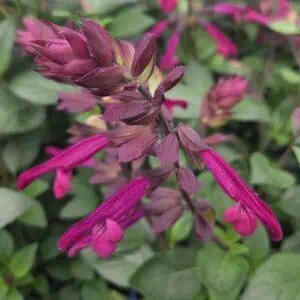
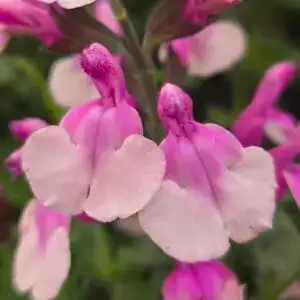
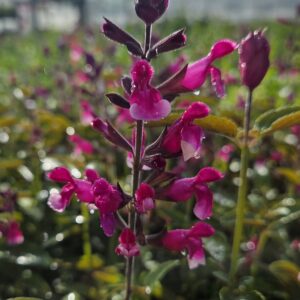
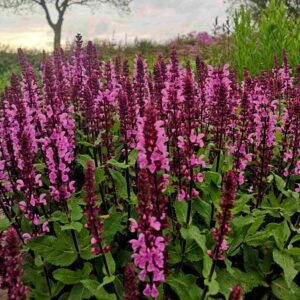
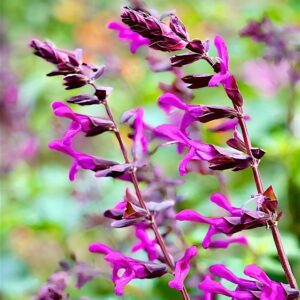
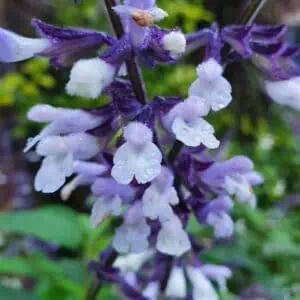
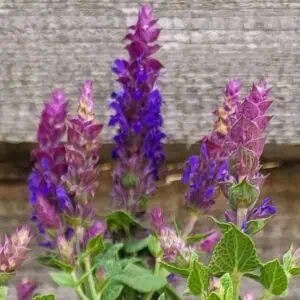
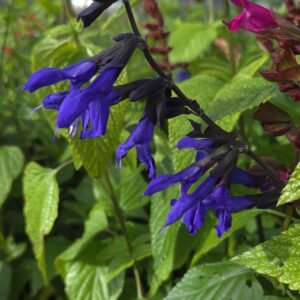
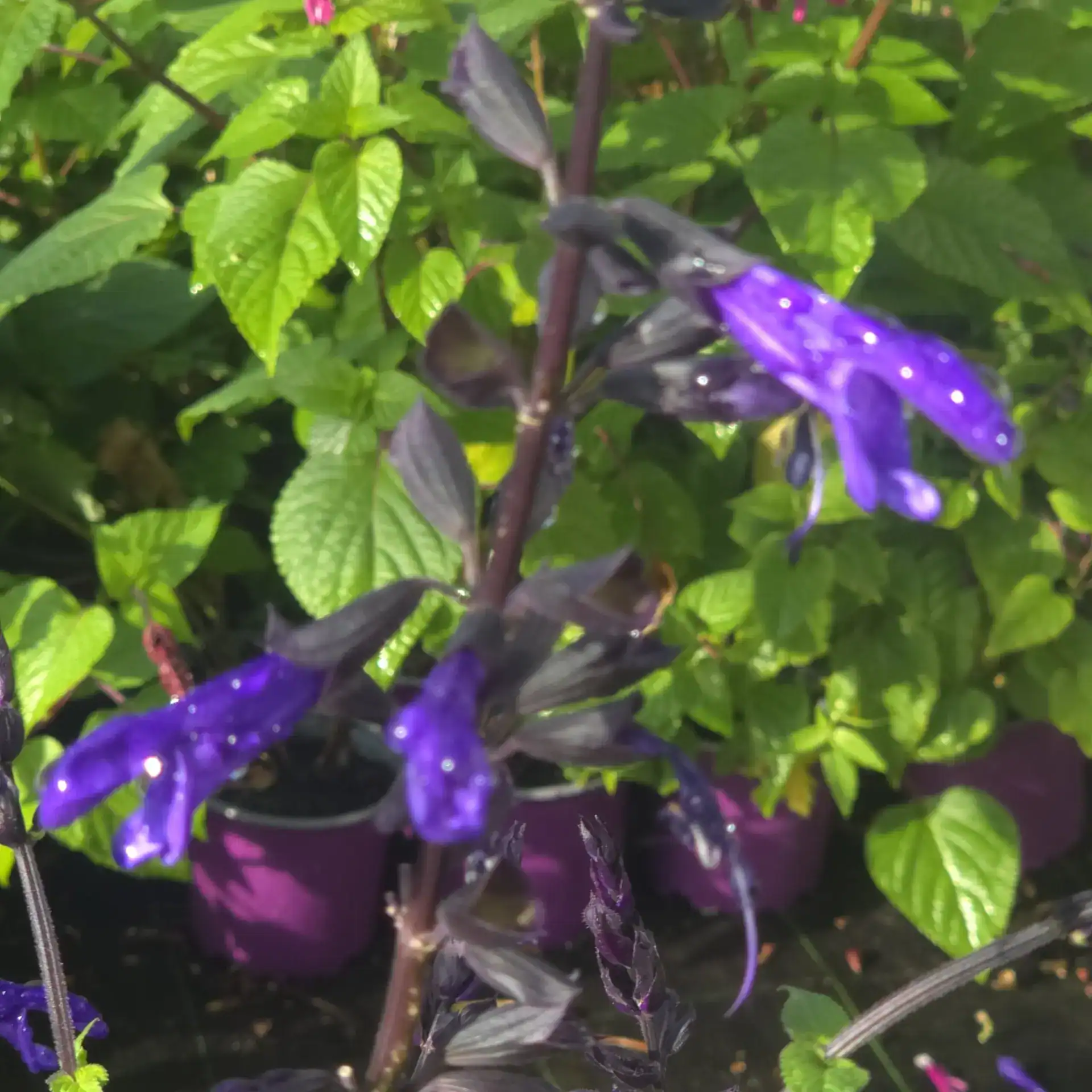
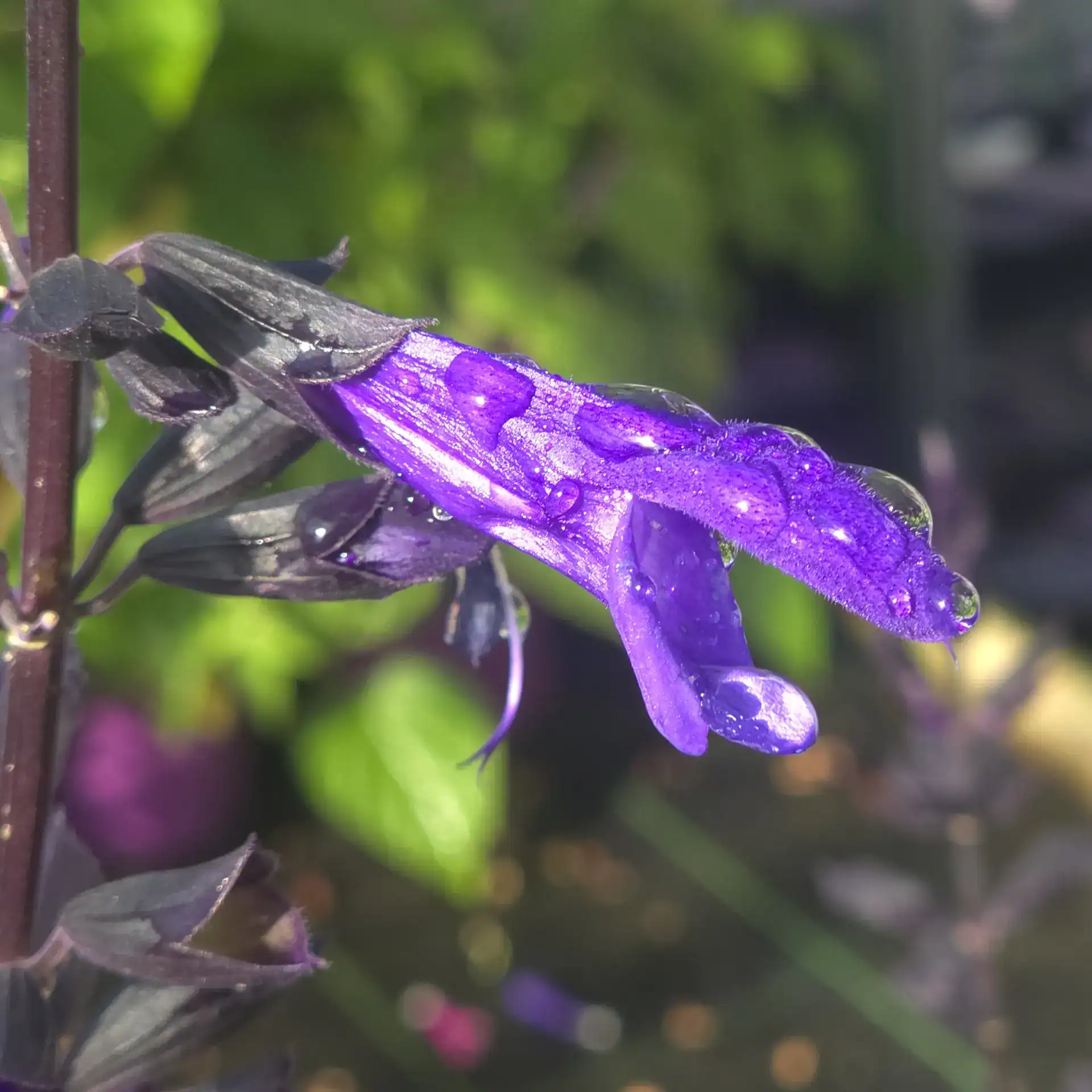
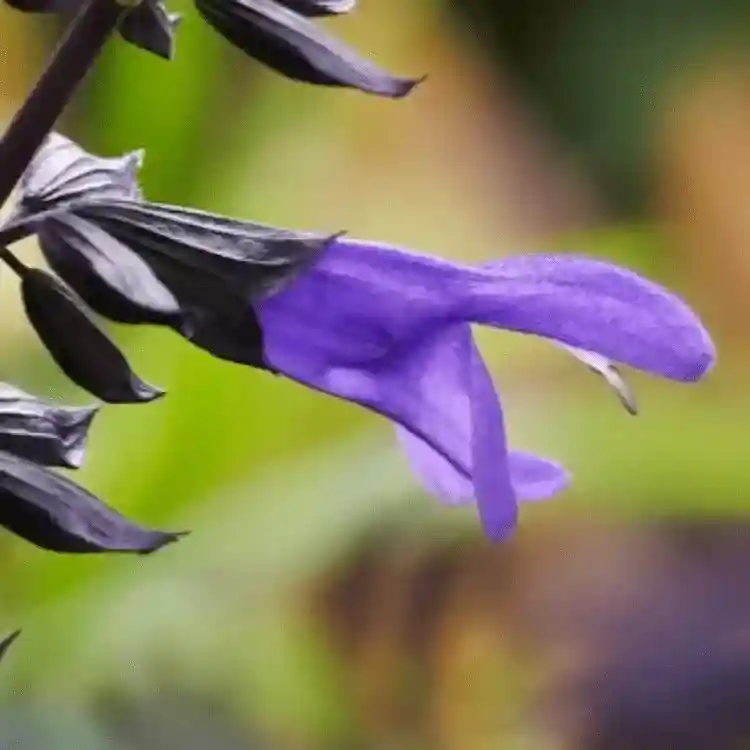
Salvia Salgoon ‘Lake Blueberry’ is a striking variety with rich, vibrant blue-purple flowers that bring a bold splash of color to the garden. With its compact size, it’s perfect for borders, containers, or mixed plantings, offering long-lasting blooms throughout the growing season. This Salvia thrives in full sun and attracts pollinators like bees and butterflies, making it a fantastic choice for a pollinator-friendly garden. Hardy and easy to grow, ‘Lake Blueberry’ is an excellent addition to any garden, adding both beauty and ecological value.
All our salvia plants are grown in our specialist nursery in Staffordshire, UK, using high-quality peat-free compost. This ensures that every salvia you buy from us is healthy, well-established, and of the highest quality. Buy salvias online in the UK with confidence, knowing our plants are sustainably grown and carefully nurtured for excellent garden performance. find out more here
For expert tips on growing and caring for Salvias, visit the Royal Horticultural Society’s guide to Salvias or check out lovethrgarden’s Salvia care advice. Explore the collection at Middleton Nurseries today and discover standout plants that bring lasting beauty to your garden.
Stay in the loop with exclusive promotions, news, and updates. Sign up now and enjoy 10% off your next order