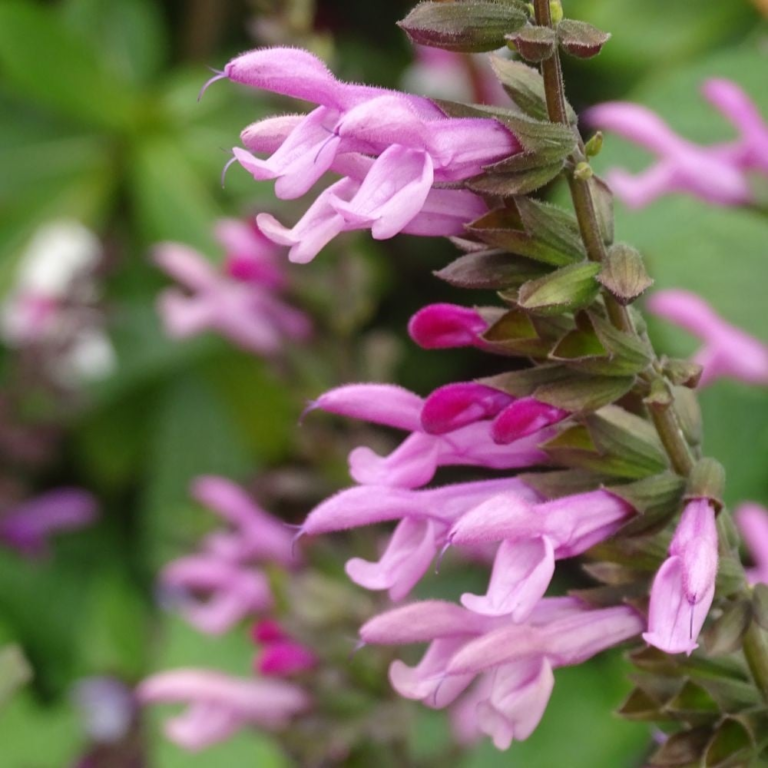
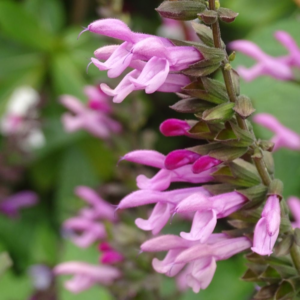
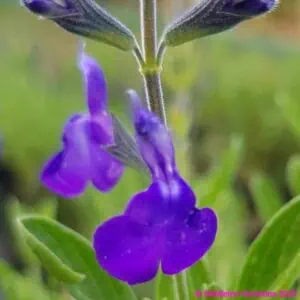
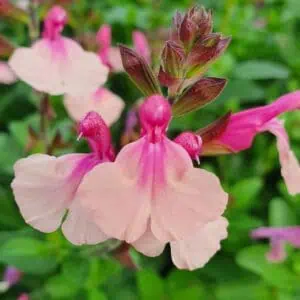
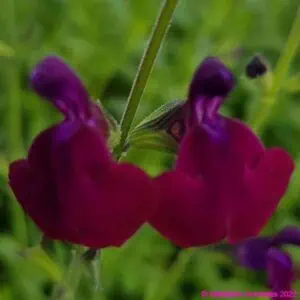
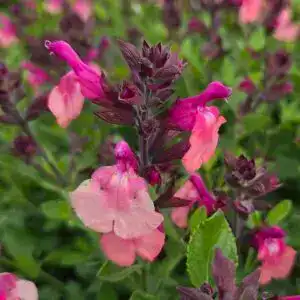
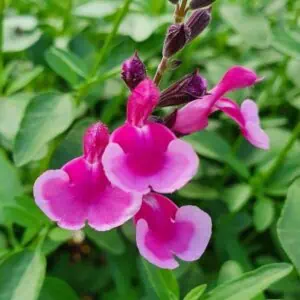
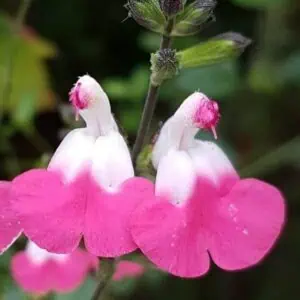
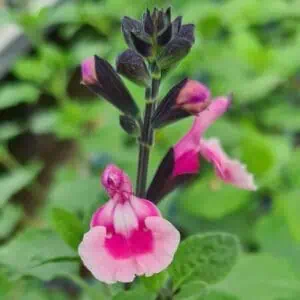
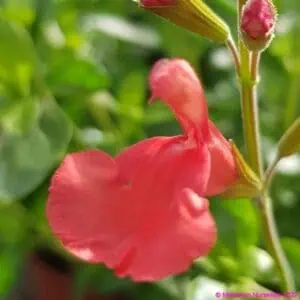
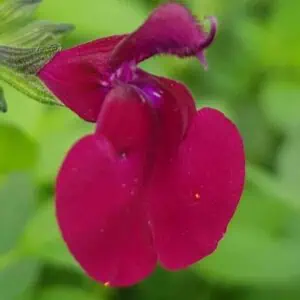
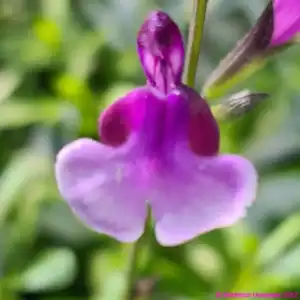
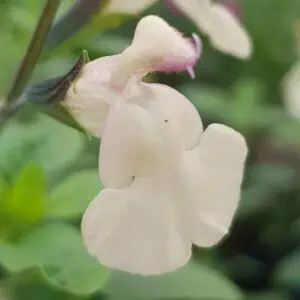
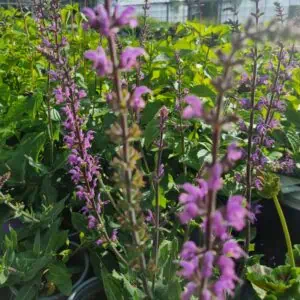
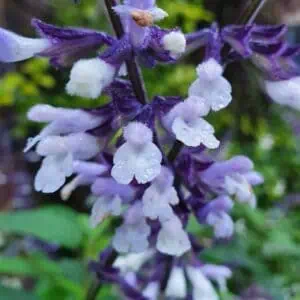
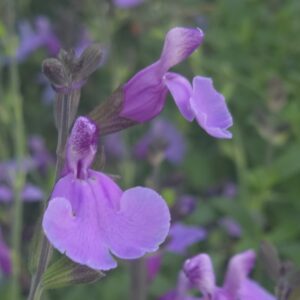
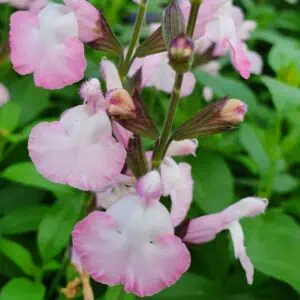
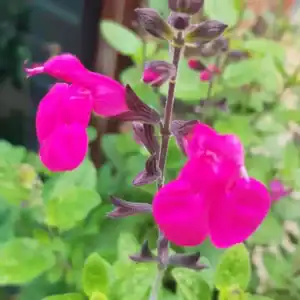
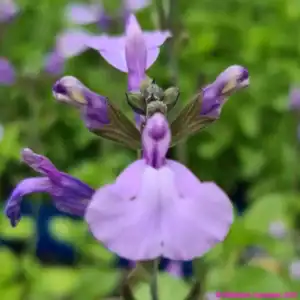
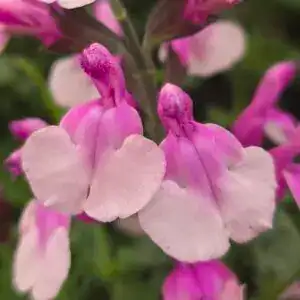
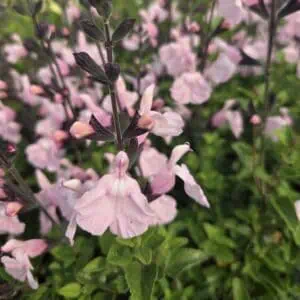
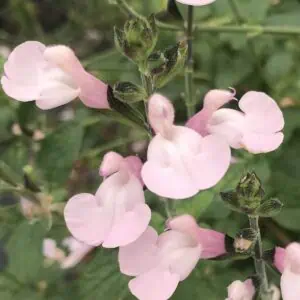
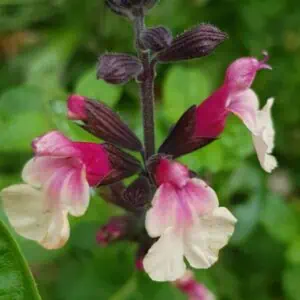
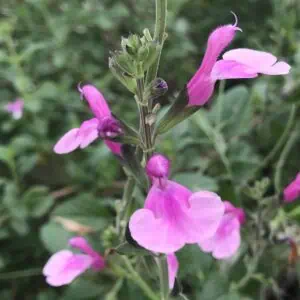
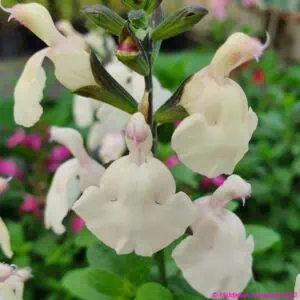
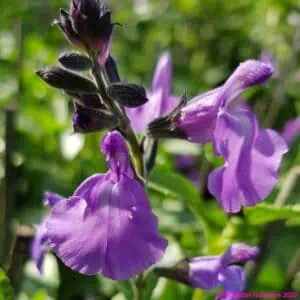
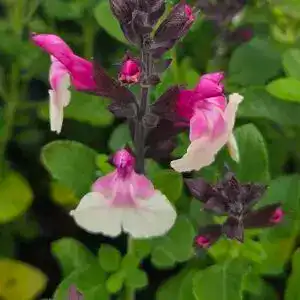
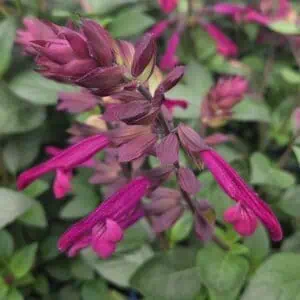
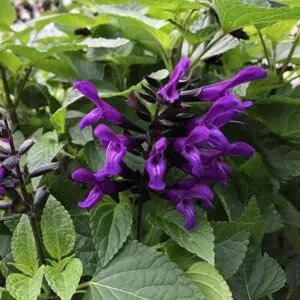
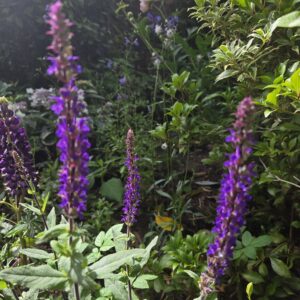
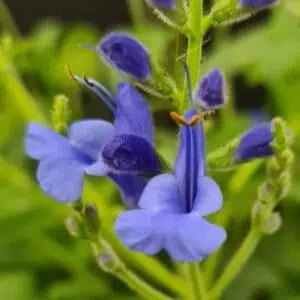
Salvia Fashionista ‘Lilac Lipstick’ is a member of the Fashionista series that flowers from summer into autumn. It is a colourful, long-season salvia for a sunny border or container.
In the garden, grow ‘Lilac Lipstick’ in the middle of a sunny border, in a raised bed or in a pot beside the house. Silver foliage, ornamental grasses and pale yellow companions give it a good setting, and a few plants grouped together make a bolder display than one on its own.
Plant in a sheltered, sunny spot in well-drained soil that holds a little moisture, in April and May or in autumn. Improve heavy or damp soil with plenty of organic matter, or use a raised bed or container. Salvias dislike continually wet soil, so let the top of the soil dry out a little between waterings, and in pots keep the compost evenly moist but never waterlogged. Water thoroughly after planting and during prolonged dry spells in the first season.
Deadhead faded flower spikes through summer to encourage further flowers, and cut back once the first flush fades. We grow every ‘Lilac Lipstick’ at our family nursery in Staffordshire and send it as a young plant, ready to grow on, in a choice of pot sizes.

Leave your email and we will let you know as soon as Salvia Fashionista 'Lilac Lipstick' is back in stock.
We will only use your email to tell you about this plant. You can unsubscribe at any time.
Free delivery over £59.99
Seasonal availability helps us send plants at their best
More plants in pink to go with this one.
Plant details checked against the RHS plant profile.
Planting and flowering times are general guidelines and vary with your location and conditions.
Deadhead faded flower spikes through summer to encourage further flowers. The RHS has no pruning note for this cultivar, so follow its border salvia guidance and cut back once the first flush fades.
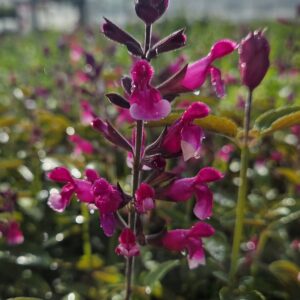
Water thoroughly after planting and during prolonged dry spells in the first growing season. Salvias dislike continually wet soil, so let the top of the soil dry out a little between waterings. In pots, keep the compost evenly moist but never waterlogged.
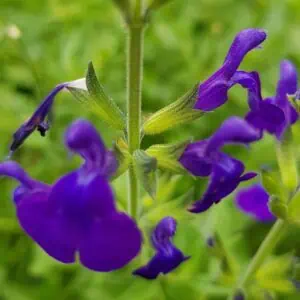
Plant in a sheltered, sunny spot in well-drained soil that holds a little moisture. The RHS salvia guide recommends mid-April to May for hardy border salvias, or autumn. Improve heavy or damp soil with plenty of organic matter, or use a raised bed or container.
Rated on Trustpilot by Middleton Nurseries customers.
“Swift delivery of good quality plants. They’ve established well.”
Julie · Verified review on TrustpilotGrowing“Lovely plants which arrived in great condition. Salvias which I planted late last year survived the dreadful drought and heat this summer while plants from other suppliers did not. Proves the quality of what Middleton supply.”
Jennymay · Verified review on TrustpilotQuality“A very wide choice available. The plants arrived well packaged, were healthy and well grown. I would buy again from this nursery.”
Sutton Customer · Verified review on TrustpilotService“Great quality plants and outstanding customer service. Thank you.”
Lucy Mann · Verified review on TrustpilotIt belongs to the Fashionista Series, which is how the RHS lists it: Salvia 'Lilac Lipstick' (Fashionista Series), with the name status given as Accepted. Other plants in the same series include 'Ballerina Pink', 'Midnight Model' and 'Pretty in Pink'.
Deadhead faded spikes through summer, and cut back once flowering fades. The RHS has no pruning note for this cultivar. Its general guide says herbaceous border salvias are cut near ground level in July, while shrubby ones are cut to about 10cm in mid-spring.
Yes, the RHS says salvias grow well in pots, beds and borders. Use loam-based compost for long-term pots and keep it regularly watered in summer. A potassium-rich feed such as tomato fertiliser once a month from May to September boosts flowering.
Yes, the RHS says border and tender salvias root easily from softwood and semi-ripe cuttings. Softwood cuttings are taken from young shoot tips between April and June. Seed-raised plants may not match the parent, so cuttings are the reliable route.
Salvias are generally free from pests and diseases, says the RHS. The main trouble is the soil: they dislike very acidic conditions, heavy wet clay and continually wet ground. Fork in organic matter where drainage is poor, or grow them in a raised bed.
Stay in the loop with exclusive promotions, news, and updates. Sign up now and enjoy 10% off your next order