
Stock Availability: In Stock
P9(9cm Pot)
1 Litre(13cm Pot)
Any 3 plants (mix and match)
£25.00
£30.00
Save 5%
Any 6 plants (mix and match)
£45.00
£58.00
Save 10%
Any 9 plants (mix and match)
£65.00
£80.00
Save 15%
P9 (9cm)
1 Litre
Any 3 plants (mix and match)
£25.00
£30.00
Save 5%
Any 6 plants (mix and match)
£45.00
£58.00
Save 10%
Any 9 plants (mix and match)
£65.00
£80.00
Save 15%
£8.75 – £40.00Price range: £8.75 through £40.00
£8.75 – £30.00Price range: £8.75 through £30.00
Plant information
Plant Description
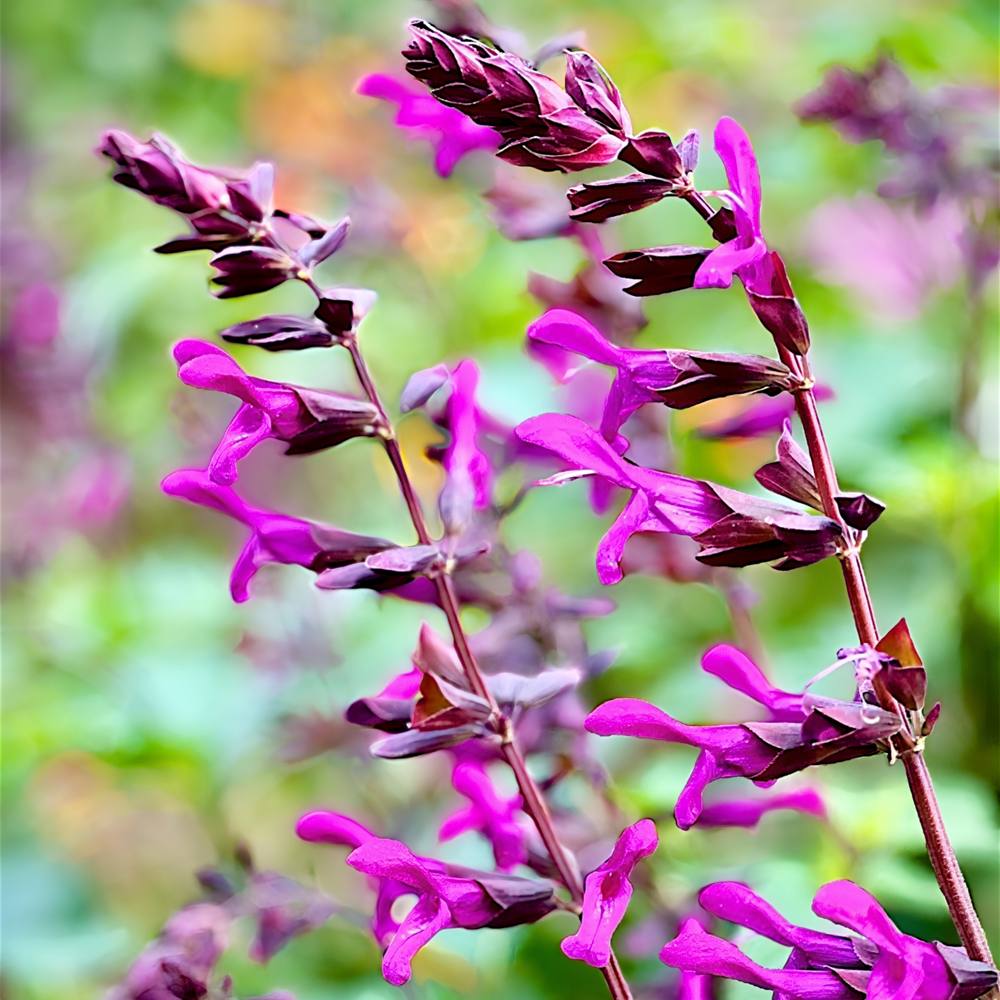
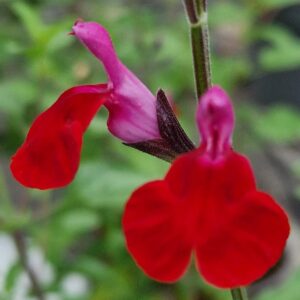
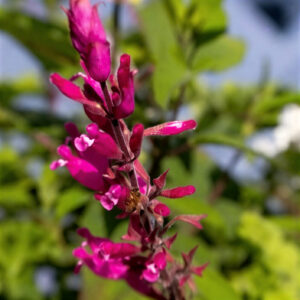
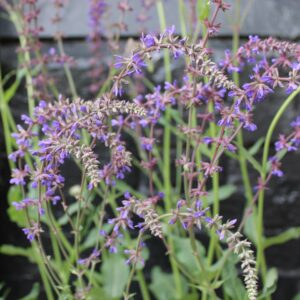
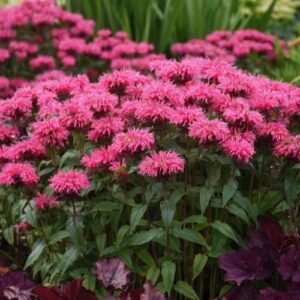
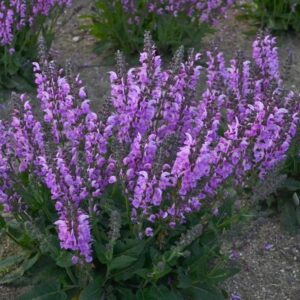
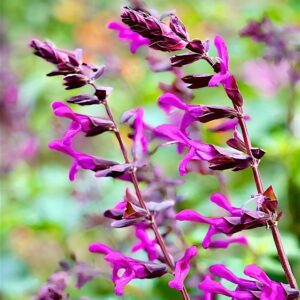
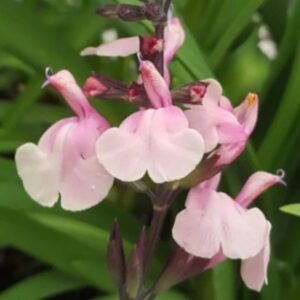
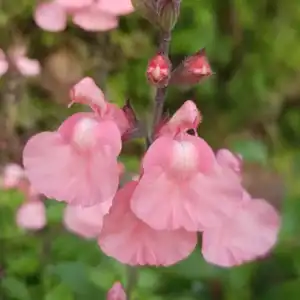
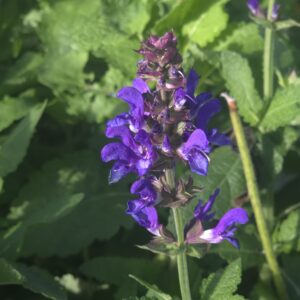
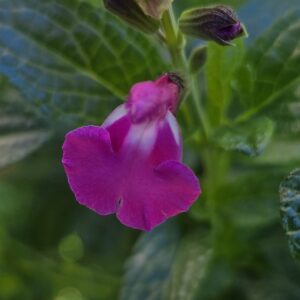
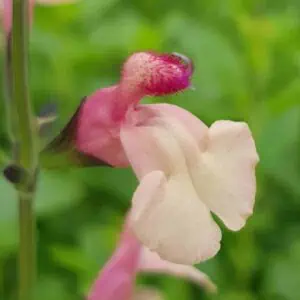
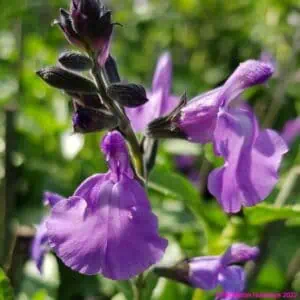
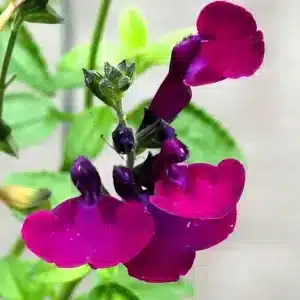
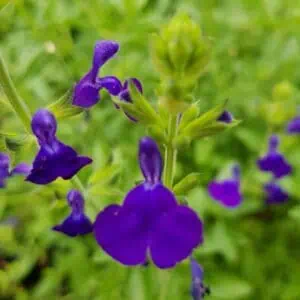
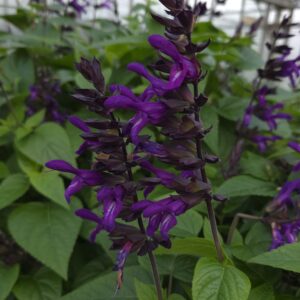
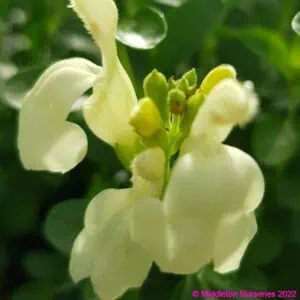
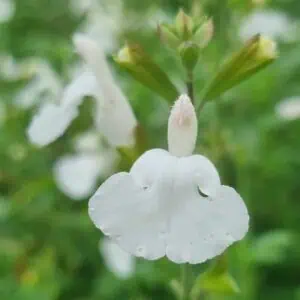
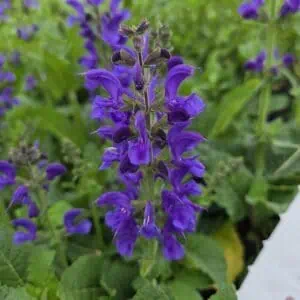
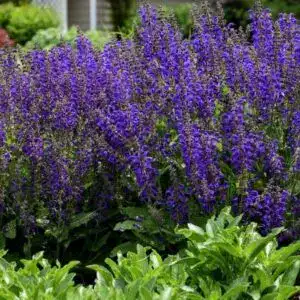
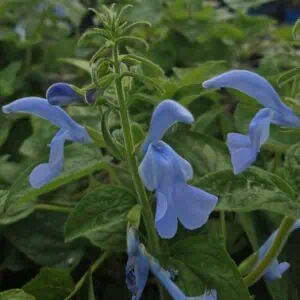
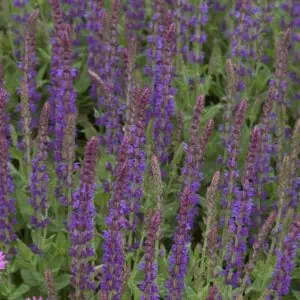
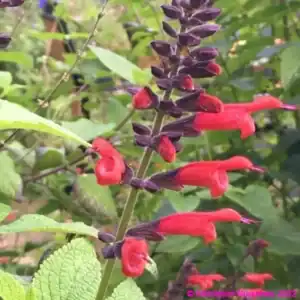
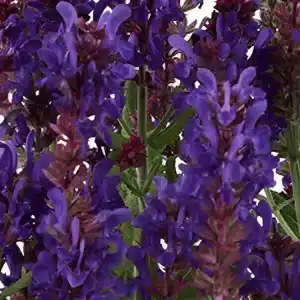
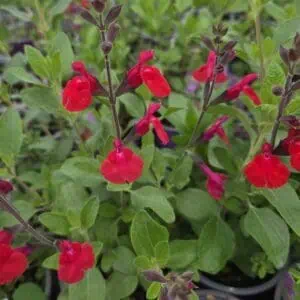
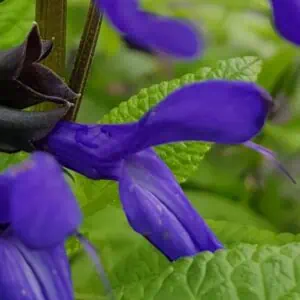
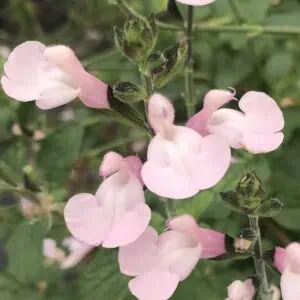
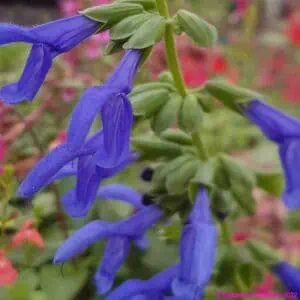
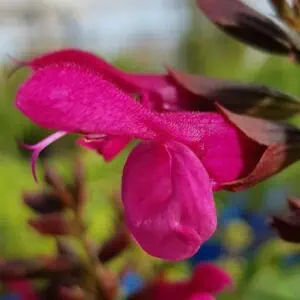
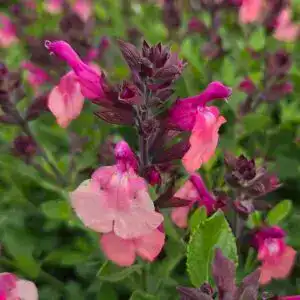
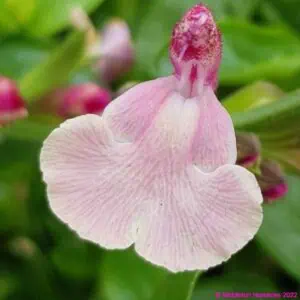
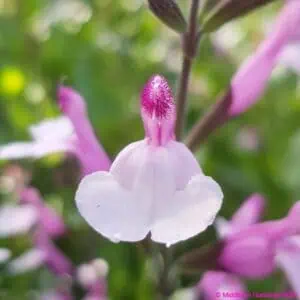
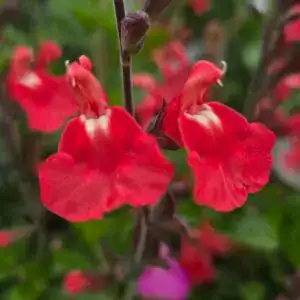
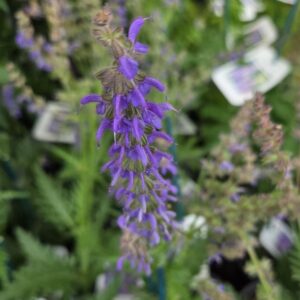
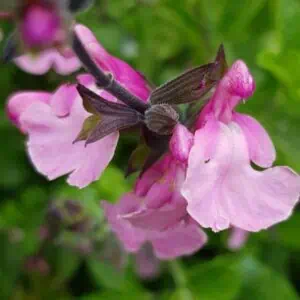
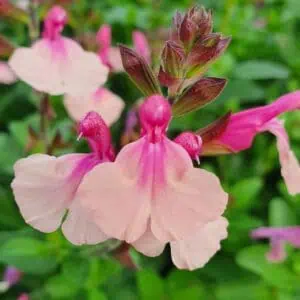
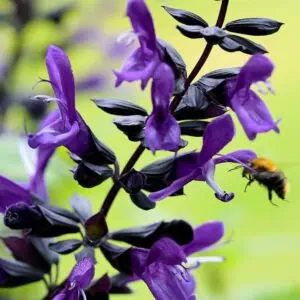
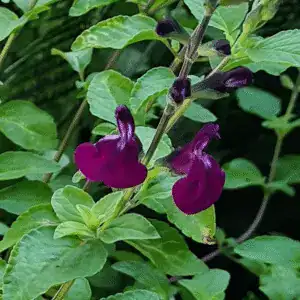
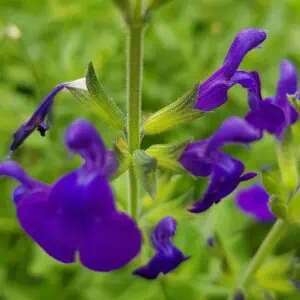
Salvia Berry Blast is a highly attractive plant, offering a rich purple colour and a more compact habit than the popular ‘Amistad’, making it a versatile and sought-after choice for gardens. It blooms for a long period, continuing until the first severe frosts. Thriving in full sun but tolerant of light shade, it prefers a well-drained soil and is highly attractive to bees and other pollinators. After frost, cut back old growth to leave a crown for re-emergence in late spring, and apply mulch to protect it during harsh winter.
Salvias should be left through the winter, as the dead wood protects them from frost. They can be pruned in early spring, and more vigorous varieties may be trimmed again around June.
Salvias can be susceptible to aphids, capsid bugs, whitefly, sage leafhoppers, and glasshouse red spider mites. Additionally, fungal issues like grey mould (Botrytis) can develop in cool and damp conditions, especially during overwintering.
Water salvias regularly during dry spells, particularly newly planted ones. Established hardy salvias are drought-tolerant but benefit from deep watering during prolonged hot periods. Avoid waterlogging, as it can cause root rot.
Hardy salvias require light feeding in spring with a balanced slow-release fertiliser or compost. Tender salvias benefit from fertilisation every 2–4 weeks during the growing season using a liquid feed for flowering plants. Over-fertilising should be avoided, as it can encourage foliage growth at the expense of flowers.
Salvias should be trimmed around April or May, a technique often called the “Chelsea Chop,” once new shoots start to appear. Cut back to the fresh growth, and continue deadheading throughout the season. Vigorous varieties can be pruned again in July to encourage bushier, greener plants rather than tall, woody stems. Salvias should not be cut back in autumn, as leaving the foliage intact helps protect the plant from frost.
Salvias can be propagated from cuttings, seeds, or by division. Softwood cuttings can be taken in summer or semi-ripe cuttings in late summer; remove lower leaves, dip in rooting hormone, and plant in a moist, free-draining medium. Seeds can be sown indoors 8–10 weeks before the last frost, germinating at 18–22°C, and seedlings should be transplanted after the last frost. Clump-forming hardy salvias can be divided every 3–4 years in early spring or autumn.
Most hardy perennial salvias are moderately drought-tolerant once established, thriving in well-drained soil and full sun. Tender salvias are less drought-tolerant and require more consistent watering.
Hardy herbaceous salvias, such as Salvia nemorosa cultivars like ‘Caradonna’, ‘Mainacht’, and ‘Ostfriesland’, are recommended for UK gardens due to their vibrant summer blooms and adaptability to various soil conditions.