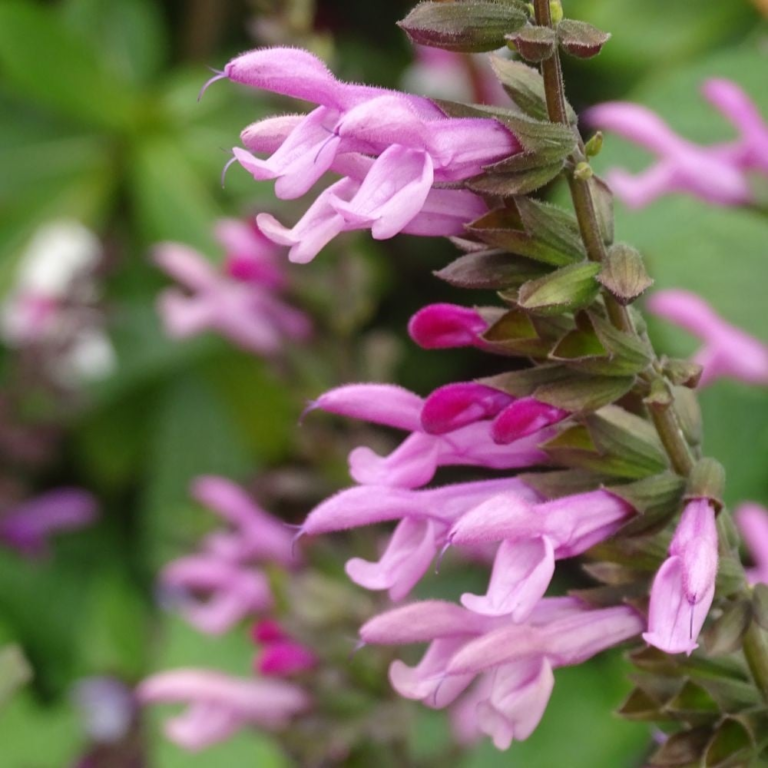
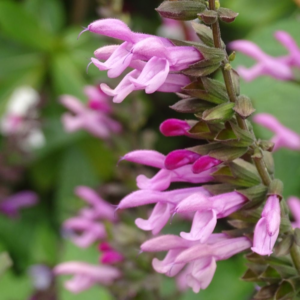
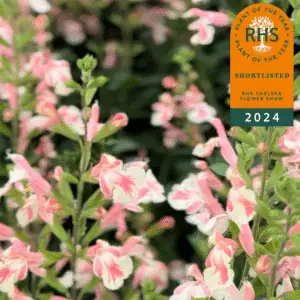
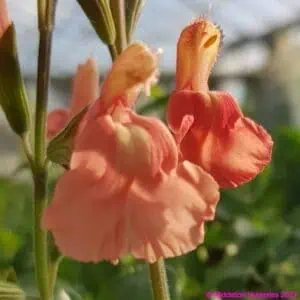
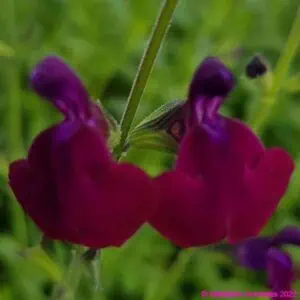
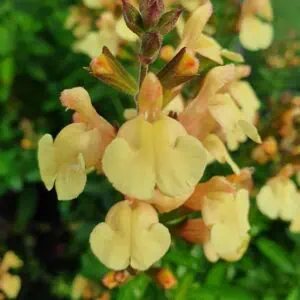
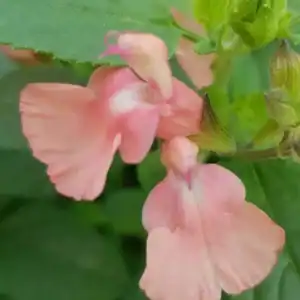
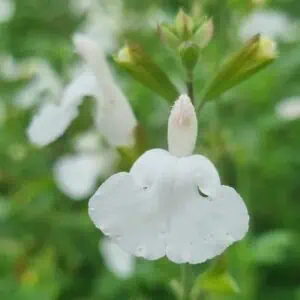
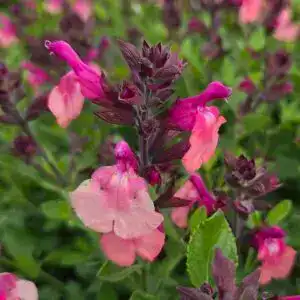
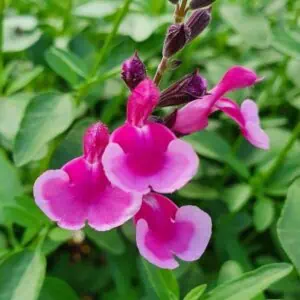
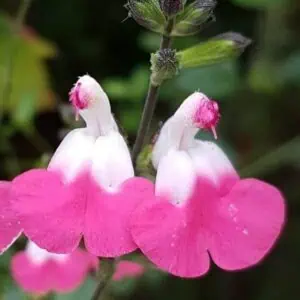
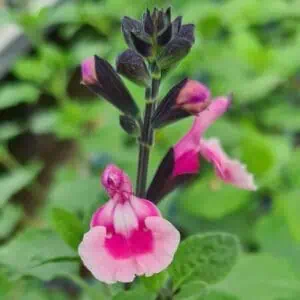
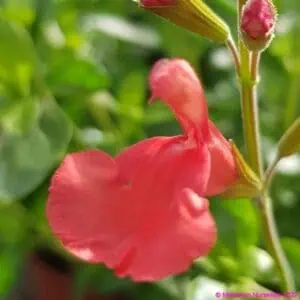
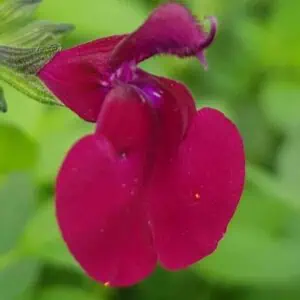
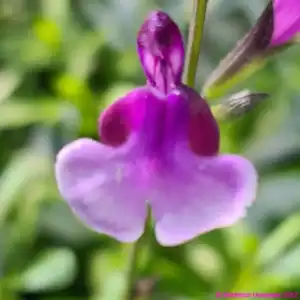
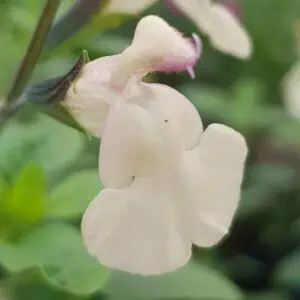
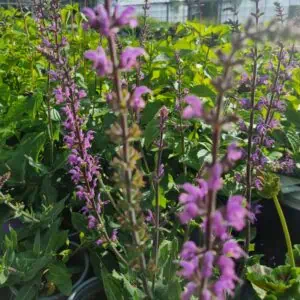
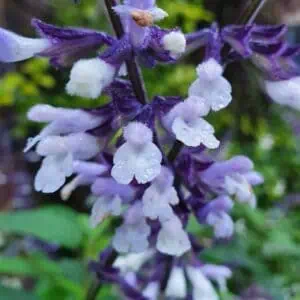
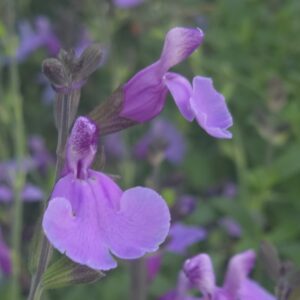
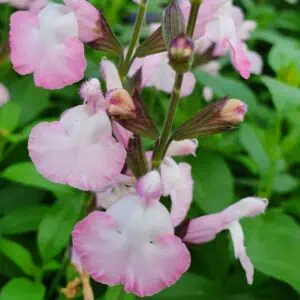
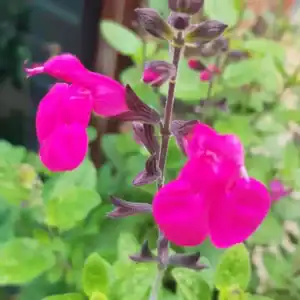
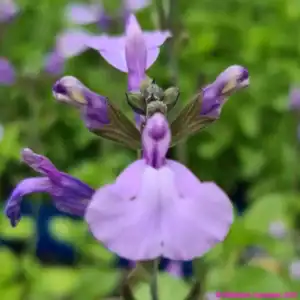
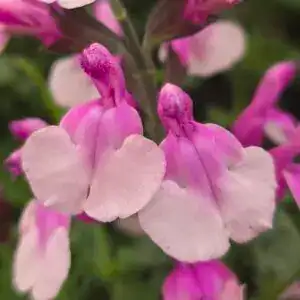
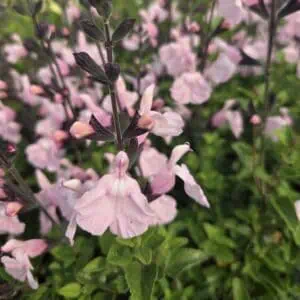
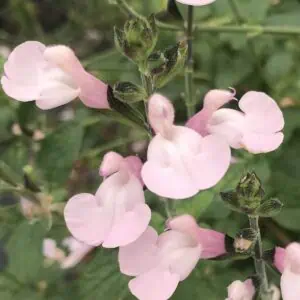
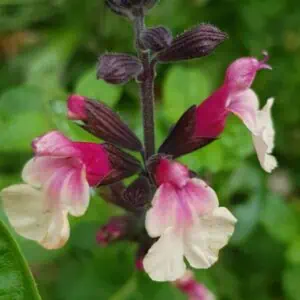
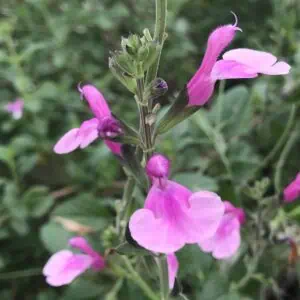
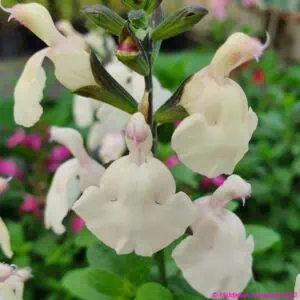
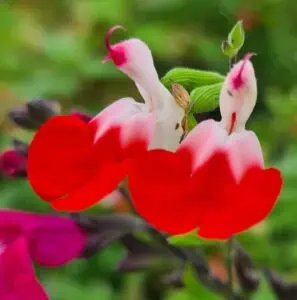
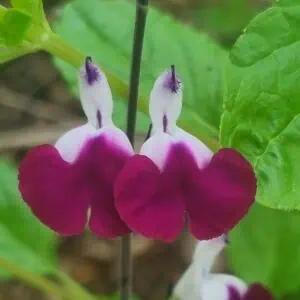
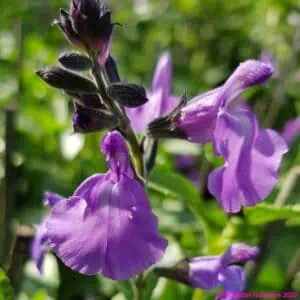
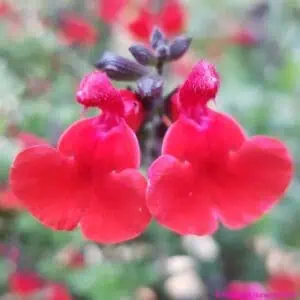
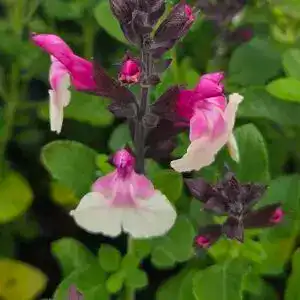
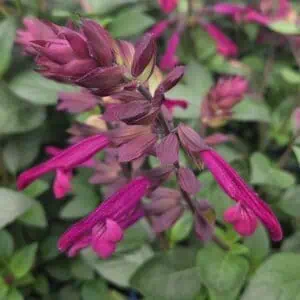
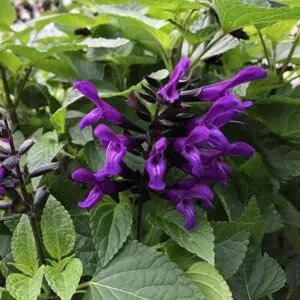
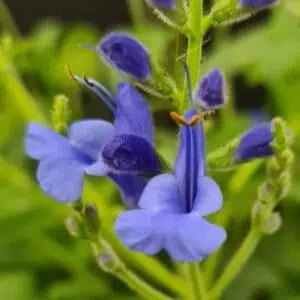
Salvia ‘Strawberry Split’ is a long-flowering salvia that stays in bloom from summer through to late autumn. The RHS lists it with its Plants for Pollinators badge, so it is a good choice for a garden that welcomes bees.
It is compact enough for pots, and a large container by a sunny door is a fine place to show it off. In a border, plant it towards the front among grasses, silver foliage and softer perennials, where the long season of flowers can fill the gaps in late summer. ‘Strawberry Split’ also works well in a mixed container with other sun-loving plants.
Grow it in light, moderately fertile, well-drained soil in full sun or light dappled shade. The RHS says it dislikes standing water, so never leave a pot sitting in a saucer. It is rated H3, which means half hardy and frost tender (-5 to 1C), so it is not fully hardy. Plant it out after the last frost in late May or early June, and take cuttings or bring the plant under cover for winter. Water pots regularly through summer and feed every few weeks to support the long flowering season.
Deadhead faded flower spikes on ‘Strawberry Split’ to prolong flowering, as the RHS advises. Regular deadheading keeps the plant in flower into late autumn. We grow our plants at our family nursery in Staffordshire and send each one as a young plant, ready to grow on, in a choice of pot sizes.

Free delivery over £59.99
Seasonal availability helps us send plants at their best
More plants in pink to go with this one.
Plant details checked against the RHS plant profile.
Planting and flowering times are general guidelines and vary with your location and conditions.
Deadhead faded flower spikes to prolong flowering, as the RHS advises. Regular deadheading keeps the plant in flower from summer through to late autumn.
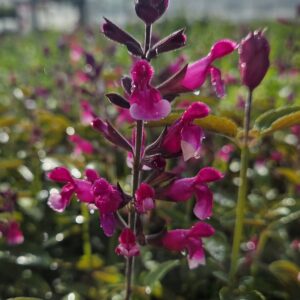
Water pots regularly through summer and feed every few weeks to support the long flowering season. The RHS says it dislikes standing water, so never leave the pot sitting in a saucer.
Grow in light, moderately fertile, well-drained soil in full sun or light dappled shade. The RHS says this variety is not fully hardy, so plant out after the last frost and take cuttings or bring the plant under cover for winter.
Rated on Trustpilot by Middleton Nurseries customers.
“Swift delivery of good quality plants. They’ve established well.”
Julie · Verified review on TrustpilotGrowing“Lovely plants which arrived in great condition. Salvias which I planted late last year survived the dreadful drought and heat this summer while plants from other suppliers did not. Proves the quality of what Middleton supply.”
Jennymay · Verified review on TrustpilotQuality“A very wide choice available. The plants arrived well packaged, were healthy and well grown. I would buy again from this nursery.”
Sutton Customer · Verified review on TrustpilotService“Great quality plants and outstanding customer service. Thank you.”
Lucy Mann · Verified review on TrustpilotBring it under cover and take cuttings. The RHS says this variety is not fully hardy, so it advises taking cuttings and bringing the plant in over winter. Pot it in loam-based compost, water only occasionally, leave it unpruned and cut it back in spring.
Divide it in spring and take basal or softwood cuttings in spring or early summer. The RHS also lists semi-hardwood cuttings in late summer or autumn, which allow you to make spare plants before winter.
Within one to two years, according to the RHS. That is quicker than the two to five years it gives for several other salvias, including 'Pink Pong' and 'Cherry Pie', so a young plant fills out within a couple of seasons.
Slugs and snails are the pests the RHS lists, and it dislikes standing water. It may also be susceptible to powdery mildew, verticillium wilt, foot and root rots and, rarely, honey fungus.
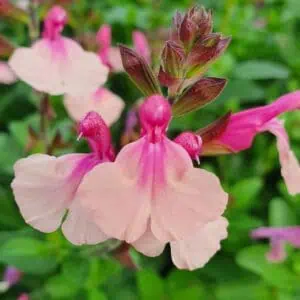
Yes, the RHS advises deadheading faded flower spikes to prolong flowering. Doing so keeps the strawberry-pink blooms with a white throat coming from summer through to late autumn.
Stay in the loop with exclusive promotions, news, and updates. Sign up now and enjoy 10% off your next order