
TL;DR
- Salvias thrive in containers as long as drainage is good and the pot is large enough
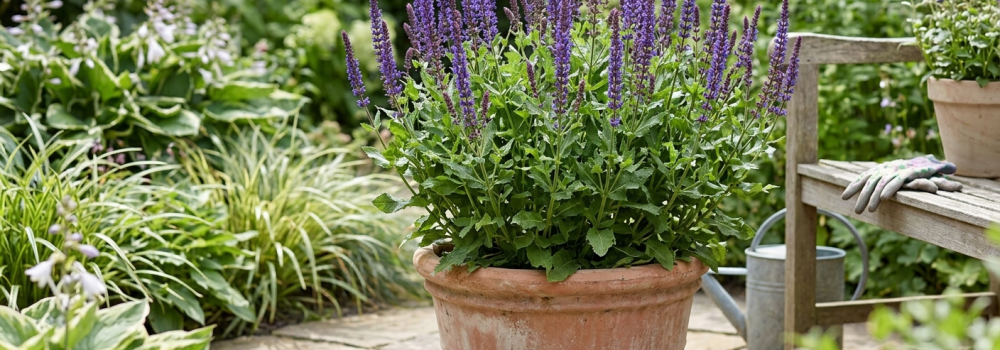
- Best varieties for pots: microphylla, greggii, and compact nemorosa cultivars
- Use peat-free, free-draining compost with added grit
- Feed fortnightly with a high-potash liquid feed from May to September
- Tender varieties need bringing indoors or taking cuttings before the first frost
Introduction
Container gardening and salvias are a natural match. Whether you’re working with a small patio, a balcony, or simply want to move colour around the garden through the season, salvias in pots give you flexibility that border planting doesn’t. The key is choosing the right variety and getting the basics of compost, feeding and winter care right.
At Middleton Nurseries, we’ve been growing salvias since 1975 — and some of our most popular varieties were specifically chosen because they perform just as well in a pot as they do in the ground.
Quick Facts
| Best pot size | Minimum 30cm diameter; 40cm+ for shrubby types |
| Compost | Peat-free multipurpose with 20% added grit or perlite |
| Position | Full sun, sheltered from cold winds |
| Feeding | High-potash liquid feed fortnightly, May–September |
| Watering | Regular but never waterlogged — check drainage holes are clear |
| Hardiness | Varies by variety — see guide below (RHS Rating) |
Which Salvias Work Best in Pots?
Not all salvias suit container life equally. The best choices are naturally compact, flower over a long season, and don’t resent the restricted root run that comes with pot growing.
Salvia microphylla & greggii
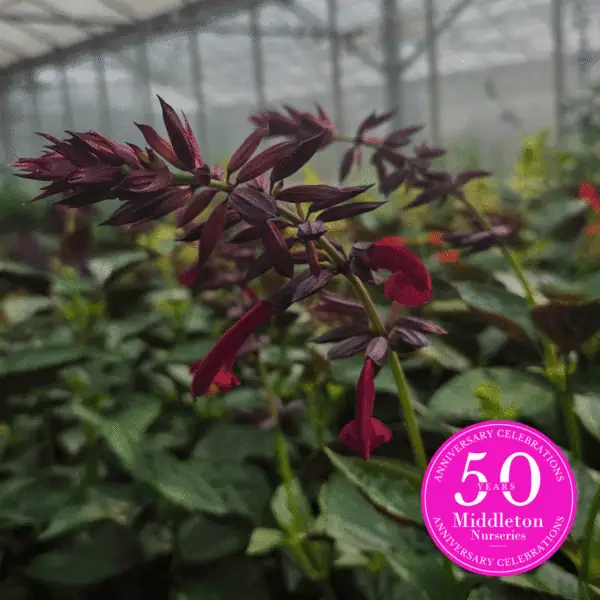
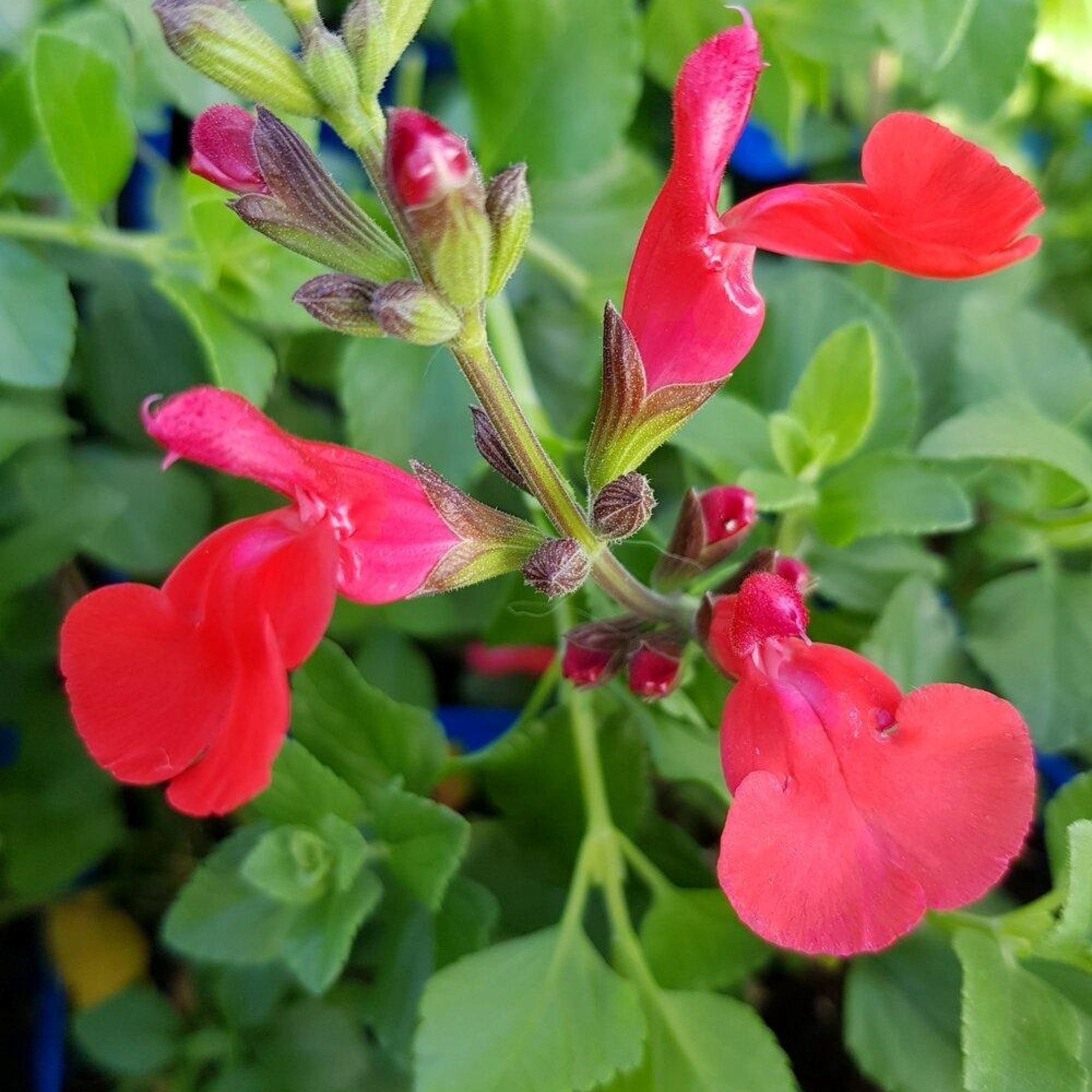
Semi-tenderThe workhorses of container growing. Varieties like ‘Hot Lips’, ‘Jezebel’ and ‘Cerro Potosi’ flower from late spring right through to the first frosts. Not fully hardy — take cuttings in autumn or bring pots indoors before frost.
Shop microphylla →
Compact Salvia nemorosa
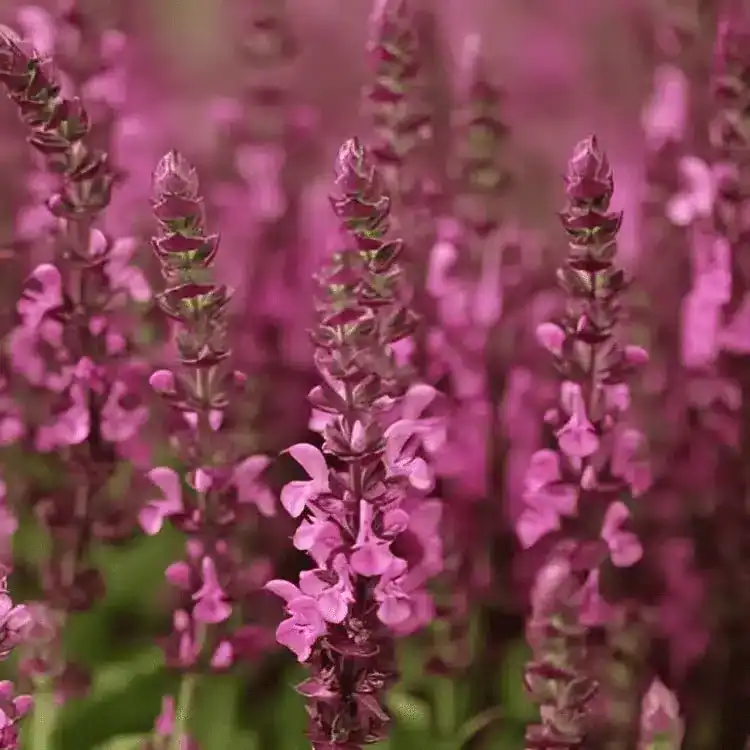
Fully hardyFully frost-hardy, so pots can stay outside year-round. Flowers in early summer and a Hampton Chop after the first flush brings a second wave. Choose compact cultivars over taller varieties to suit container proportions.
Shop nemorosa →
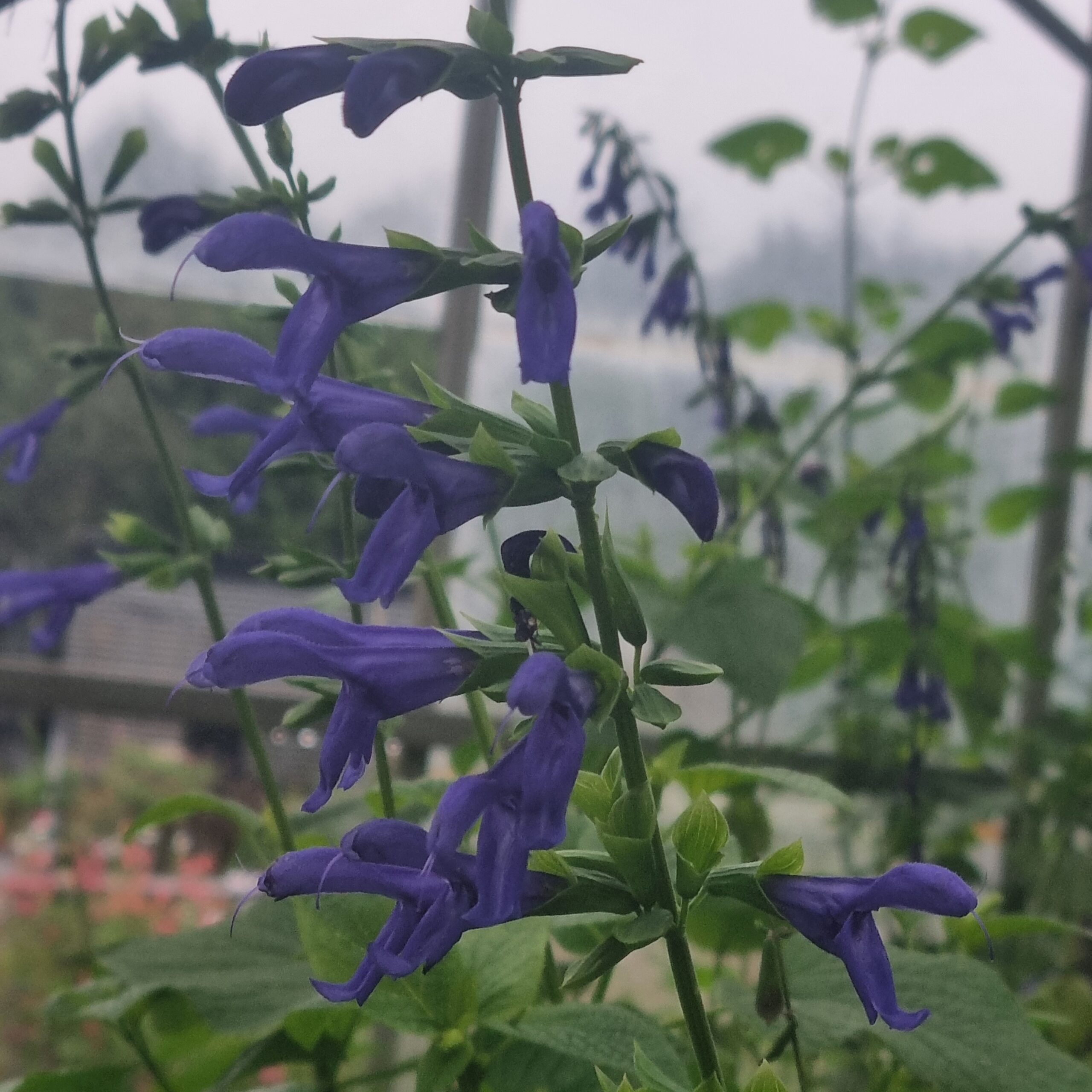
Salvia guaranitica (Large Pots)
Large containersTaller and more dramatic — perfect for half-barrels or deep terracotta against a warm wall. ‘Argentine Skies’ and ‘Black and Blue’ make a striking statement with height and late-season colour.
Shop guaranitica →Compost and Potting Tips
Salvias hate sitting in wet compost. This is the single most common reason container salvias fail in UK gardens — our wet winters do the damage before the cold even gets a chance.
Use a peat-free multipurpose compost mixed with around 20% horticultural grit or perlite to improve drainage. Add a layer of crocks or broken pot pieces at the base before filling, and always make sure the drainage holes aren’t blocked.
Repot every two years in spring, or when the plant looks pot-bound. Shrubby varieties especially will exhaust the nutrients in a pot quickly.
Feeding and Watering
Once established, salvias in pots need more consistent feeding than those in the ground — the regular watering required in summer flushes nutrients out of the compost quickly.
From May through to September, feed fortnightly with a high-potash liquid fertiliser. This supports flower production rather than leafy growth. Avoid high-nitrogen feeds — they’ll give you lush foliage at the expense of flowers.
Water regularly during the growing season, but always let the top inch of compost dry out slightly between waterings. In winter, reduce watering significantly for hardy varieties left outside, and stop almost entirely for tender types brought indoors.
Winter Care for Salvias in Pots
This is where container growing requires a bit more attention than border planting.
Hardy varieties (nemorosa, sylvestris): These can stay outside in their pots. Move them to a sheltered spot — against a wall or fence — and raise the pot off the ground on feet to keep drainage clear. Leaving the old stems on through winter provides some frost protection to the crown.
Tender varieties (microphylla, greggii, guaranitica): You have two options. Either take cuttings in August/September and overwinter them on a frost-free windowsill, or move the whole pot into a greenhouse, conservatory or unheated porch before the first frost. Cut back by about a third before bringing them in.
Our Top Picks for Pots
Browse our full range of salvias suitable for container growing. Compact varieties, long-flowering shrubby types and hardy perennials — all grown at our Staffordshire nursery and delivered to your door.
Frequently Asked Questions
What is the best salvia for a small pot or balcony?
For small spaces, compact microphylla and greggii varieties are ideal. ‘Hot Lips’ is a popular choice — it’s naturally bushy, flowers prolifically from late spring to frost, and won’t outgrow a 30cm pot. Compact nemorosa cultivars are also a great option if you want something fully hardy that can stay outside year-round.
Do salvias grow well in pots in the UK?
Yes — salvias are well-suited to container growing in the UK provided drainage is good and they’re fed regularly through the season. The key is choosing the right variety and using a free-draining compost mix. Many of our customers grow exclusively in pots with excellent results.
Met office seasonal data
How often should I water salvias in containers?
During the growing season, water regularly but allow the top inch of compost to dry slightly between waterings. Never let pots sit in standing water. In winter, reduce watering significantly — waterlogging is the most common cause of container salvia losses in UK gardens.
Can I leave salvias in pots outside over winter in the UK?
Hardy varieties like salvia nemorosa and sylvestris can stay outside in their pots year-round. Move them to a sheltered position and raise off the ground for drainage. Tender varieties — including most microphylla and greggii — need frost protection either by bringing them indoors or taking cuttings in late summer.
What compost should I use for salvias in pots?
Use a peat-free multipurpose compost mixed with around 20% horticultural grit or perlite to improve drainage. Avoid heavy, moisture-retentive composts — salvias need their roots to dry out slightly between waterings, especially over winter.
Do I need to repot salvias every year?
Not every year, but every two years is a good rule for shrubby varieties. In the second year, top-dress with fresh compost in spring if the plant isn’t ready to be repotted. Nemorosa varieties in pots are less hungry and can go longer between repots.