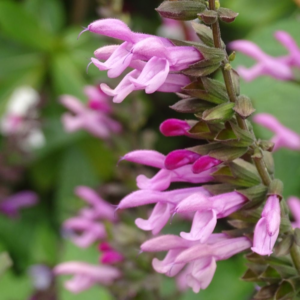
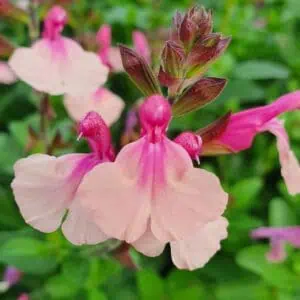
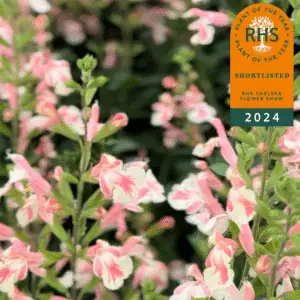
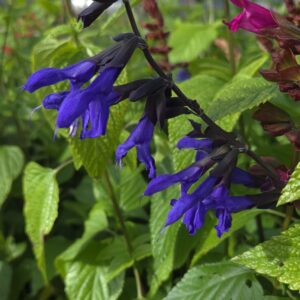
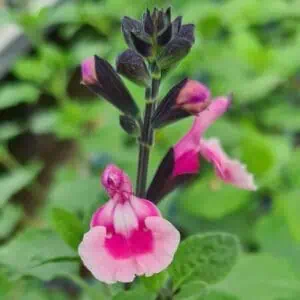
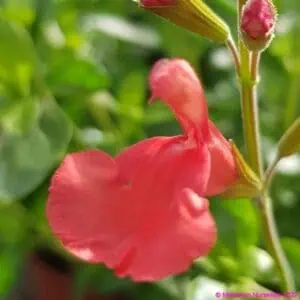
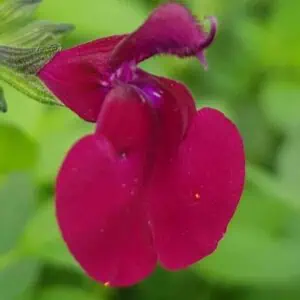
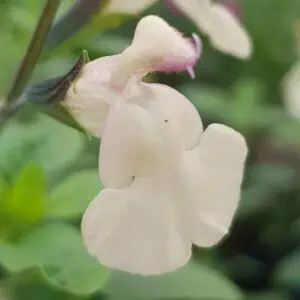
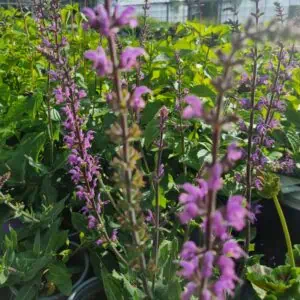
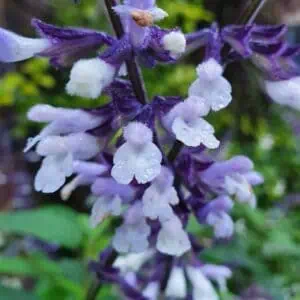
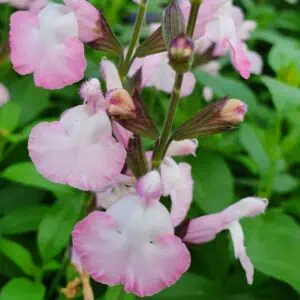
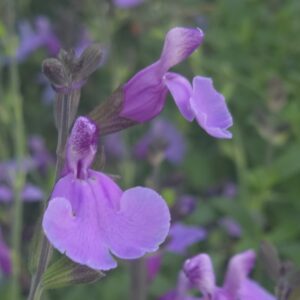
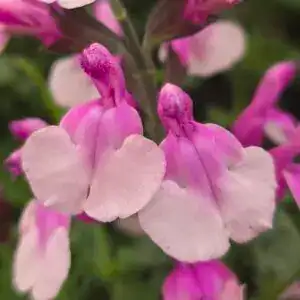
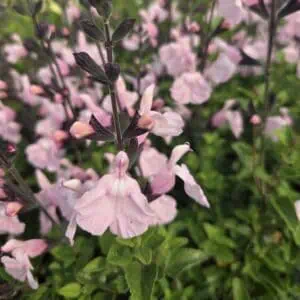
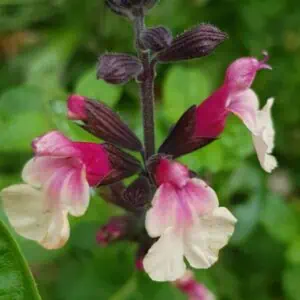
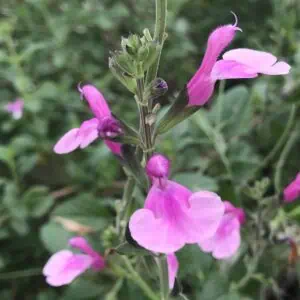
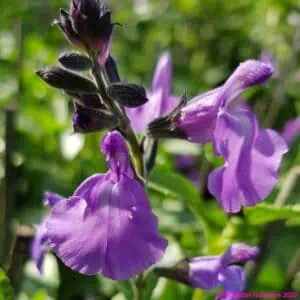
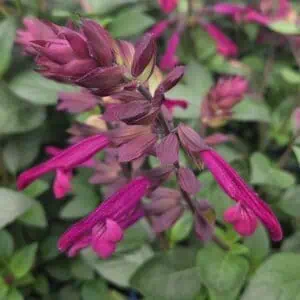
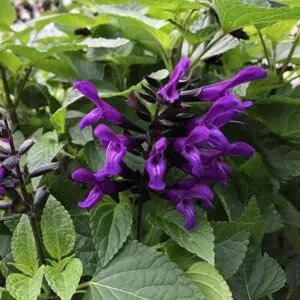
Salvia ‘Regal® Lilac’ is an upright salvia with spikes of lavender-purple flowers that appear from summer into autumn. It is described as resilient to heat and drought, which makes it a dependable choice for a warm, sunny garden.
The upright spikes of ‘Regal® Lilac’ give a border a strong vertical line, so it works well in the middle of a sunny bed with grasses, achillea or rounded silver foliage at its feet. It also suits a mixed planting of other salvias, where the lavender flowers soften brighter reds and pinks.
Plant it in full sun in well-drained soil, choosing a sheltered position. It is listed as H4, which means it is hardy in most places (-10 to -5C), but some protection is advisable in severe frosts, so consider a mulch over the base in winter. April and May are good months for planting, and early autumn is a second option. Water thoroughly after planting and during prolonged dry spells in the first season. The RHS says established salvias are drought tolerant, but they still dislike constantly wet soil, and plants in pots dry out faster and need regular watering in summer.
Deadhead spent spikes through summer to keep the display going. If it behaves as a herbaceous border salvia, cut stems back when the flowers fade in mid-summer for fresh growth, and in cold areas leave the final tidy until spring. Each ‘Regal® Lilac’ is grown at our family nursery in Staffordshire and sent as a young plant, ready to grow on, in a choice of pot sizes.

Free delivery over £59.99
Seasonal availability helps us send plants at their best
More plants in purple to go with this one.
Planting and flowering times are general guidelines and vary with your location and conditions.
Deadhead spent spikes through summer to keep the display going. If it behaves as a herbaceous border salvia, cut stems back when flowers fade in mid-summer for fresh growth, and in cold areas leave the final tidy until spring.
Water thoroughly after planting and during prolonged dry spells in the first season. Middleton describes it as resilient to heat and drought, and the RHS says established salvias are drought tolerant, but they still dislike constantly wet soil. Plants in pots dry out faster and need regular watering in summer.
Plant in full sun with well-drained soil, as Middleton advises, in spring (mid-April and May) or autumn. Middleton notes some protection is advisable in severe frosts, so choose a sheltered position and consider a mulch over the base in winter.
Rated on Trustpilot by Middleton Nurseries customers.
“Swift delivery of good quality plants. They’ve established well.”
Julie · Verified review on TrustpilotGrowing“Lovely plants which arrived in great condition. Salvias which I planted late last year survived the dreadful drought and heat this summer while plants from other suppliers did not. Proves the quality of what Middleton supply.”
Jennymay · Verified review on TrustpilotQuality“A very wide choice available. The plants arrived well packaged, were healthy and well grown. I would buy again from this nursery.”
Sutton Customer · Verified review on TrustpilotService“Great quality plants and outstanding customer service. Thank you.”
Lucy Mann · Verified review on TrustpilotYes, Middleton’s description says it was newly introduced in 2024. It is sold as a compact, upright perennial salvia for borders, mixed perennial beds or containers, so it has a short track record in UK gardens compared with older cultivars.
Cover the base with a mulch and wrap the top growth in horticultural fleece when a hard freeze is forecast. Middleton advises some protection in severe frosts, and the RHS says heavier fleece gives roughly 2°C of protection.
Yes, Middleton says its flowers attract bees, butterflies and other pollinators. The RHS growing guide also describes salvias in general as attractive to pollinators, though no RHS plant page for this cultivar was found to confirm a Plants for Pollinators badge.
Yes, Middleton recommends it for borders, mixed perennial beds and container plantings, using its upright flower spikes for texture and movement. The RHS suggests a loam-based compost and a monthly potassium-rich feed from May to September for pots.
Take softwood cuttings in spring to early summer or semi-ripe cuttings in late summer to autumn, as the RHS advises for border salvias. Cuttings give plants identical to the parent, whereas seed from a cultivar may not come true.
Stay in the loop with exclusive promotions, news, and updates. Sign up now and enjoy 10% off your next order