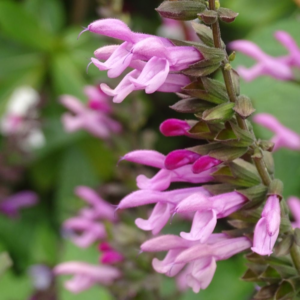
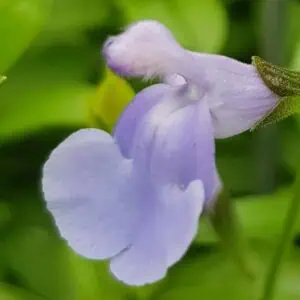
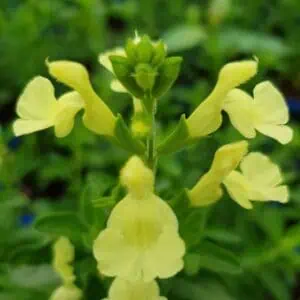
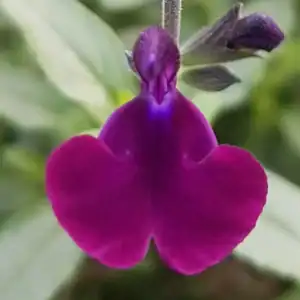
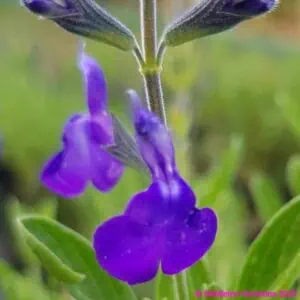
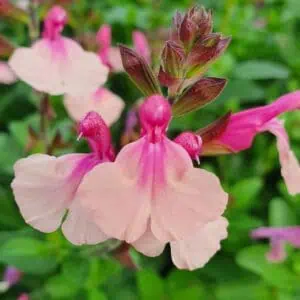
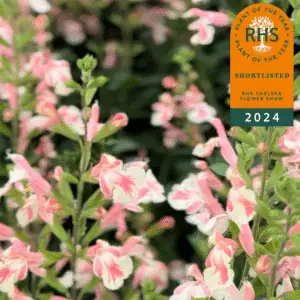
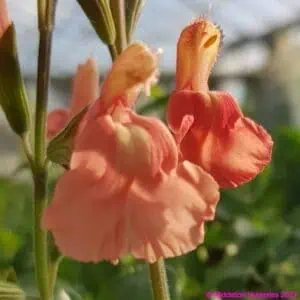
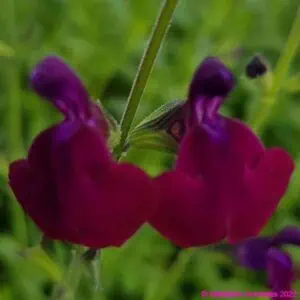
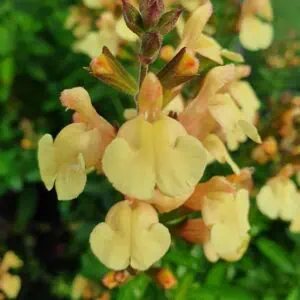
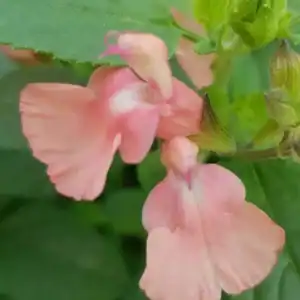
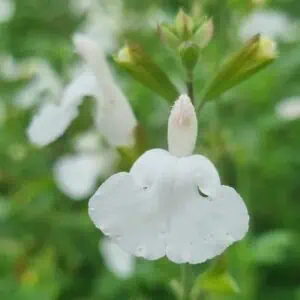
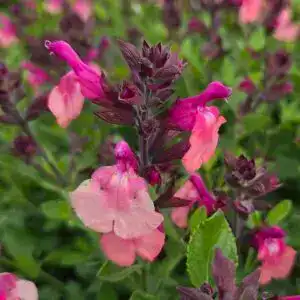
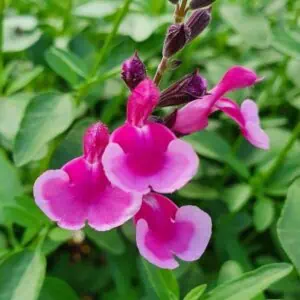
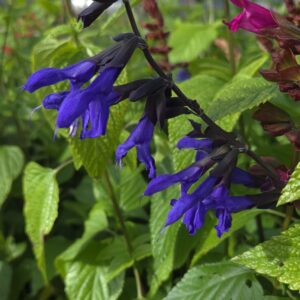
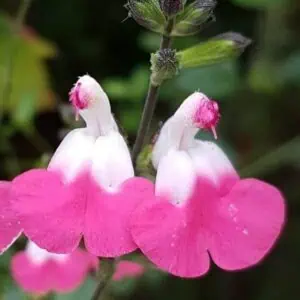
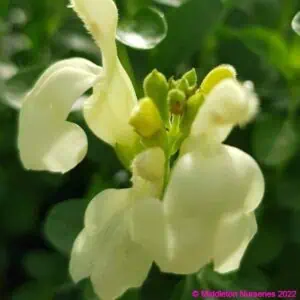
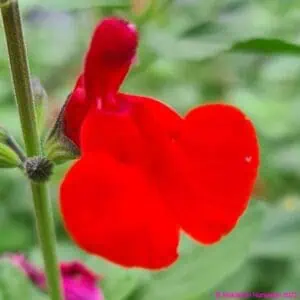
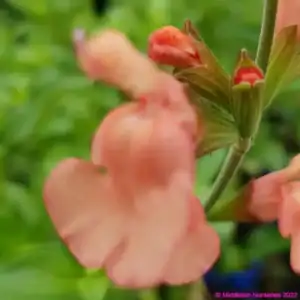
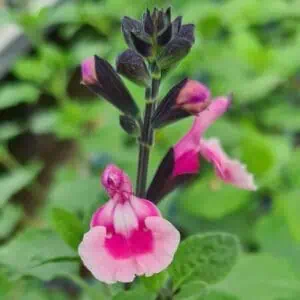
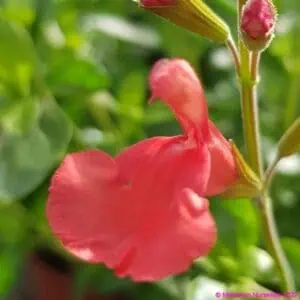
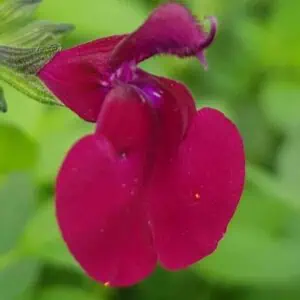
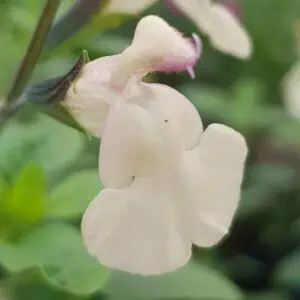
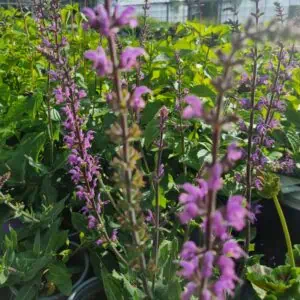
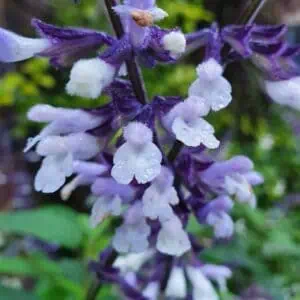
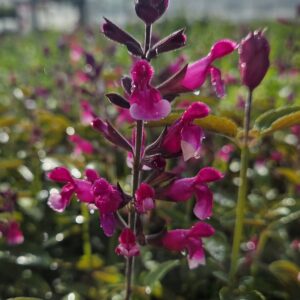
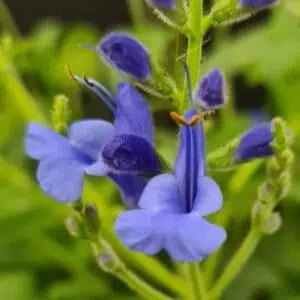
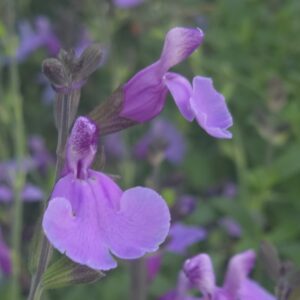
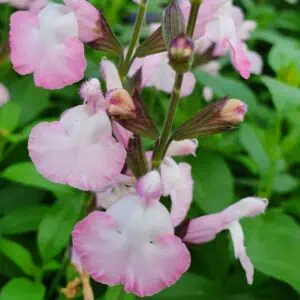
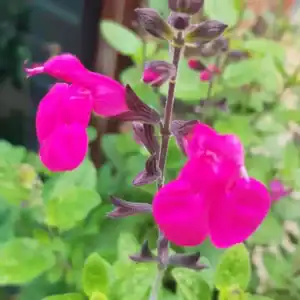
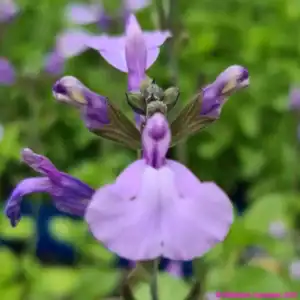
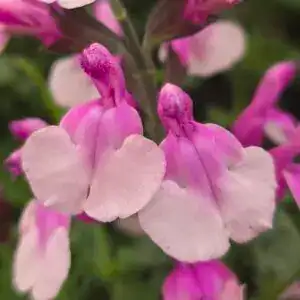
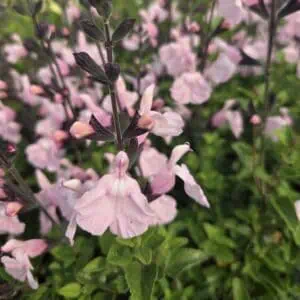
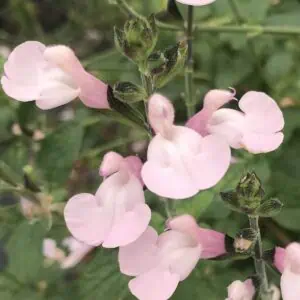
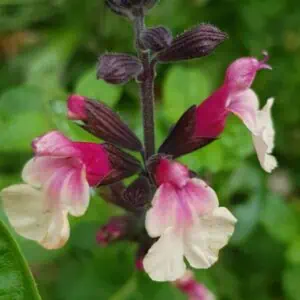
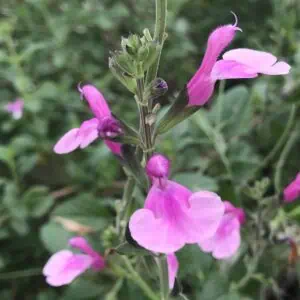
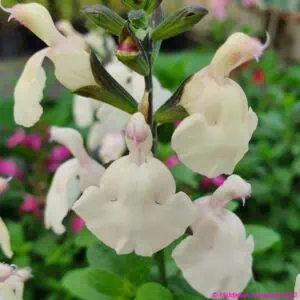
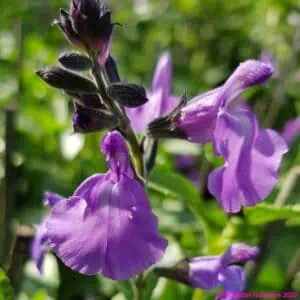
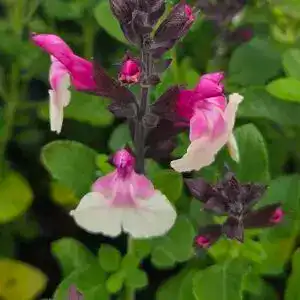
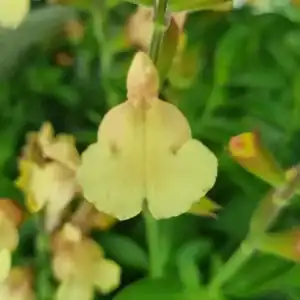
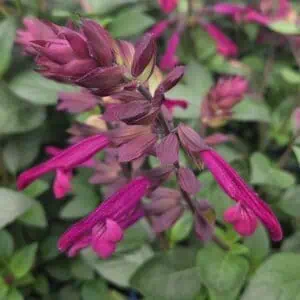
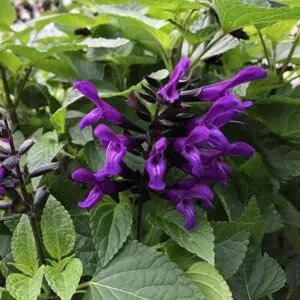
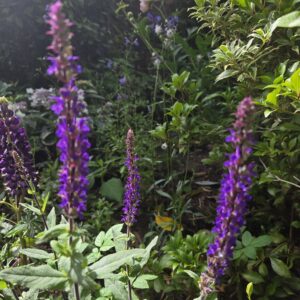
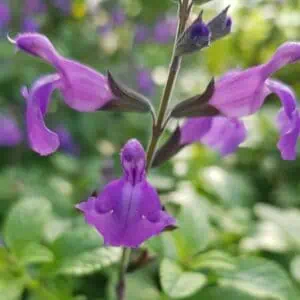
Salvia ‘Oriental Dove’ is a long-flowering salvia that blooms from summer into autumn and carries the RHS Plants for Pollinators badge. The RHS also lists it for patio and container use, which makes it a flexible plant for gardens of any size.
In a border ‘Oriental Dove’ works well in the middle, among grasses, catmint and other perennials that flower through late summer, and it is equally happy in a pot by the front door or on the terrace. Planting it in a group of three or five gives a generous, flowing effect that bees will find quickly.
Plant in moderately fertile, moist but well-drained soil, preferably in full sun, though the RHS says it tolerates some shade. It suits east, south and west-facing sites, exposed or sheltered, on chalk, loam or sand. The RHS rates it H5, which means hardy through most UK winters (-15 to -10C). Plant in spring, from April to May, or in autumn. Once established it needs less watering, but water well after planting and in dry spells in the first year. In a pot, keep the compost from drying out without letting it become waterlogged.
Deadhead regularly from early summer into autumn, cutting back flower spikes to prolong flowering. Container plants appreciate a potassium-rich feed monthly from May to September. ‘Oriental Dove’ is grown at our family nursery in Staffordshire and sent as a young plant, ready to grow on, in a choice of pot sizes.

Free delivery over £59.99
Seasonal availability helps us send plants at their best
More plants in purple to go with this one.
Plant details checked against the RHS plant profile.
Planting and flowering times are general guidelines and vary with your location and conditions.
The RHS advice for Oriental Dove is simply to cut back flower spikes to prolong flowering, so deadhead regularly from early summer into autumn. It lists no named pruning group for this plant.
The RHS says that once the plant is established it needs less watering, but it grows best in moist, well-drained soil, so water well after planting and in dry spells in the first year. In a pot, keep the compost from drying out completely without letting it become waterlogged, and give a potassium-rich feed monthly from May to September.
Plant in moderately fertile, moist but well-drained soil, preferably in full sun, though the RHS says it tolerates some shade. It suits east-, south- or west-facing sites, exposed or sheltered, on chalk, loam or sand. Plant in spring (mid-April and May) or autumn; the RHS lists patio and container use.
Rated on Trustpilot by Middleton Nurseries customers.
“Swift delivery of good quality plants. They’ve established well.”
Julie · Verified review on TrustpilotGrowing“Lovely plants which arrived in great condition. Salvias which I planted late last year survived the dreadful drought and heat this summer while plants from other suppliers did not. Proves the quality of what Middleton supply.”
Jennymay · Verified review on TrustpilotQuality“A very wide choice available. The plants arrived well packaged, were healthy and well grown. I would buy again from this nursery.”
Sutton Customer · Verified review on TrustpilotService“Great quality plants and outstanding customer service. Thank you.”
Lucy Mann · Verified review on TrustpilotOriental Dove is rated H5 by the RHS, hardy in most places in the UK even in severe winters (-15C to -10C), so a pot can usually stay outside. Keep the compost well drained, and wrap the pot or plant in horticultural fleece in a cold region.
Yes, the RHS gives Oriental Dove its Plants for Pollinators badge. It flowers from early summer through to autumn, so it offers nectar and pollen over a long season.
Yes, cut back flower spikes as they fade to prolong flowering, as the RHS advises. Deadhead regularly from early summer into autumn; the RHS names no pruning group for this plant.
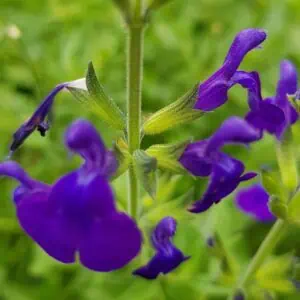
Yes, the RHS lists it as Salvia [Oriental Dove] ('Dysmau'), where Oriental Dove is the trade name. Both names refer to the same semi-evergreen, upright salvia, so expect to see either on a label.
Yes, the RHS lists patio and container use. Keep the compost from drying out completely without letting it become waterlogged, and give a potassium-rich feed monthly from May to September.
Stay in the loop with exclusive promotions, news, and updates. Sign up now and enjoy 10% off your next order