...

Salvia microphylla ‘Delice Ondine’

In Stock • Dispatched from our nursery

Free delivery over £59.99

Smaller sizes establish quickly • Larger sizes give a instant impact

Seasonal availability helps us send plants at their best

Exceptional plants, better value

Mix & match • Create your own combination • Pot sizes subject to availability

P9(9cm Pot)

1 Litre(13cm Pot)

3+ plants

£25.00

£30.00

Save 5%

6+ plants

Most Popular!

£45.00

£58.00

Save 10%

9+ plants

£60.00

£80.00

Save 15%

*excludes new for 2026 varieties • to see a full list of excluded plants click here*

Exceptional plants, better value

Mix & match • Create your own combination

P9 (9cm)

1 Litre

3+ plants

£25.00

£30.00

Save 5%

6+ plants

Most popular!

£45.00

£58.00

Save 10%

9+ plants 

£65.00

£80.00

Save 15%

More must-have additions for your garden

Plant information

Plant Description

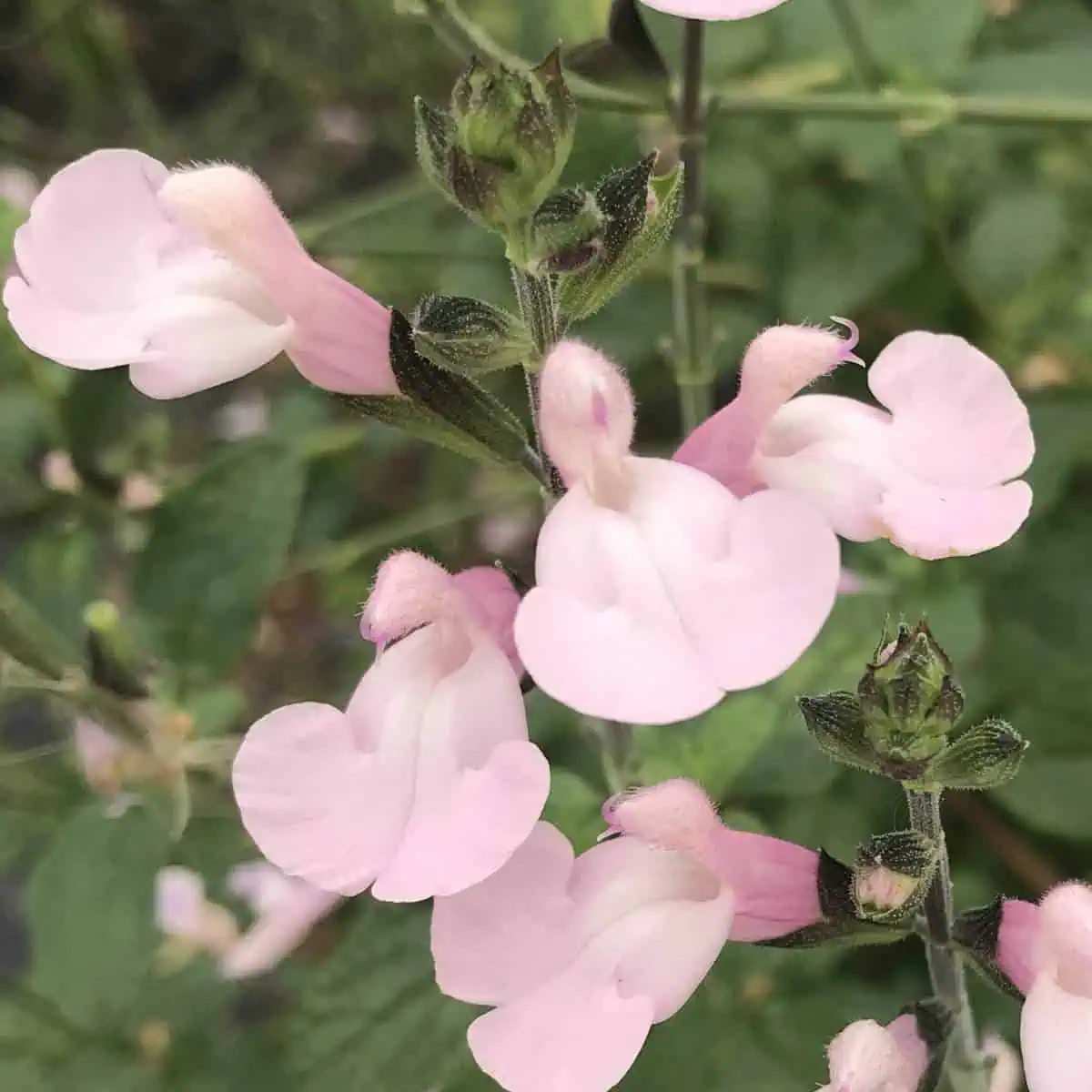
Salvia microphylla ‘Delice Ondine’ is a captivating plant showcases striking pink and white blossoms that grace your space from early summer to late autumn, ensuring an extended season of vibrant beauty.Perfect for both garden beds and pots, ‘Delice Ondine’ is a versatile choice that adds a touch of eye-catching elegance to any setting. Its enchanting colour makes it a standout among the summer flowers in your herbaceous border. This Salvia variety is impressively hardy, requiring protection only in cases of exceptionally severe frost. ‘Delice Ondine’ promises to be the star of your garden, elevating your outdoor space with its enduring charm and grace.

More Great Choices

🌿 How to Care for Salvia microphylla ‘Delice Ondine’

How do I prune Salvia microphylla ‘Delice Ondine’?
Salvia microphylla ‘Delice Ondine’ should be left through the winter, as the dead wood protects them from frost. They can be pruned in early spring, and more vigorous varieties may be trimmed again around June.

Salvia microphylla ‘Delice Ondine’ can be susceptible to aphids, capsid bugs, whitefly, sage leafhoppers, and glasshouse red spider mites. Additionally, fungal issues like grey mould (Botrytis) can develop in cool and damp conditions, especially during overwintering.

Water Salvia microphylla ‘Delice Ondine’ regularly during dry spells, particularly newly planted ones. Established hardy salvias are drought-tolerant but benefit from deep watering during prolonged hot periods. Avoid waterlogging, as it can cause root rot.
Salvia microphylla ‘Delice Ondine’ require light feeding in spring with a balanced slow-release fertiliser or compost. Tender salvias benefit from fertilisation every 2–4 weeks during the growing season using a liquid feed for flowering plants. Over-fertilising should be avoided, as it can encourage foliage growth at the expense of flowers.
Propagation of Salvia microphylla ‘Delice Ondine’is prohibited without a licence
Salvia microphylla ‘Delice Ondine’ should be trimmed around April or May, a technique often called the “Chelsea Chop,” once new shoots start to appear. Cut back to the fresh growth, and continue deadheading throughout the season. Vigorous varieties can be pruned again in July to encourage bushier, greener plants rather than tall, woody stems. Salvias should not be cut back in autumn, as leaving the foliage intact helps protect the plant from frost.
Salvia microphylla ‘Delice Ondine’ moderately drought-tolerant once established, thriving in well-drained soil and full sun. Tender salvias are less drought-tolerant and require more consistent watering.
Salvia microphylla ‘Delice Ondine’ performs well in UK gardens if given full sun and free-draining soil. It’s hardy in most areas, flowers for months in summer and autumn, and suits borders or containers. Avoid winter wet and prune lightly in spring.

Join the Middleton Nurseries Gardening Club

Stay in the loop with exclusive promotions, news, and updates. Sign up now and enjoy 10% off your next order