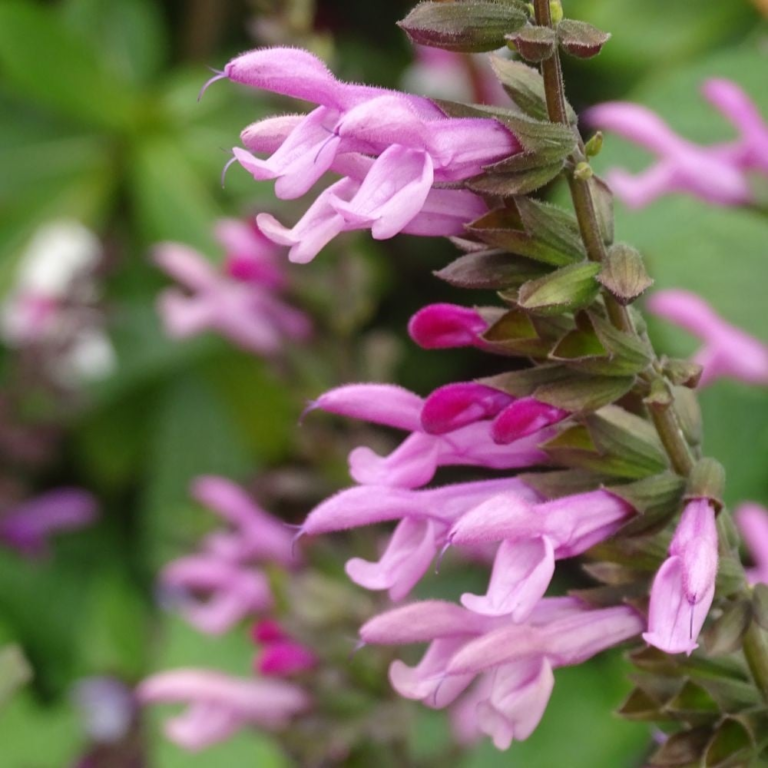
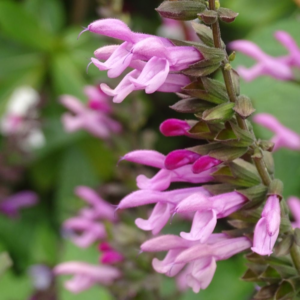
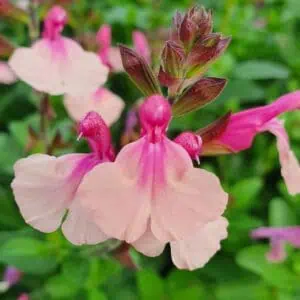
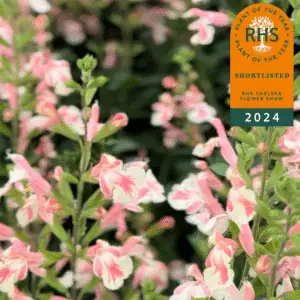
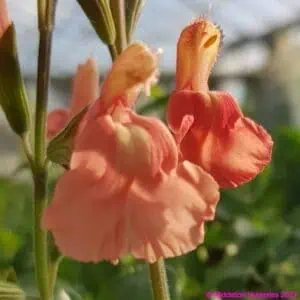
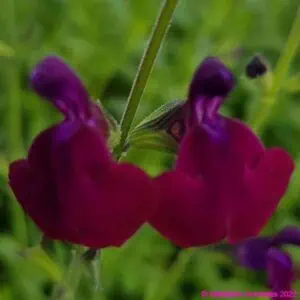
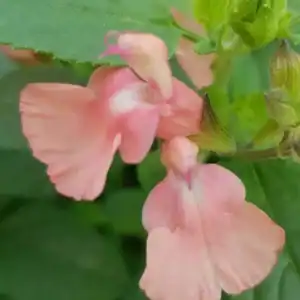
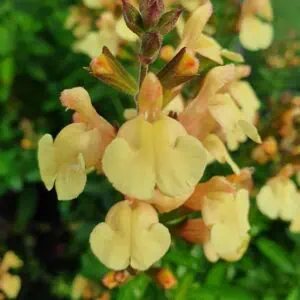
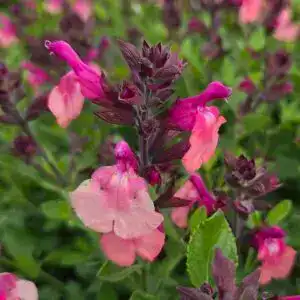
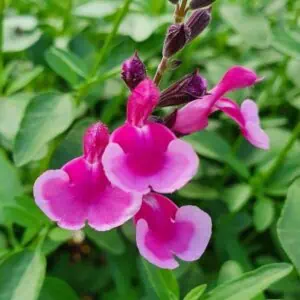
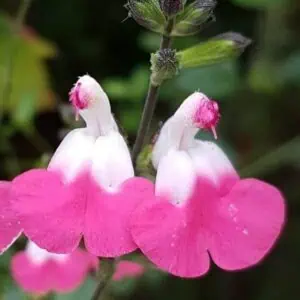
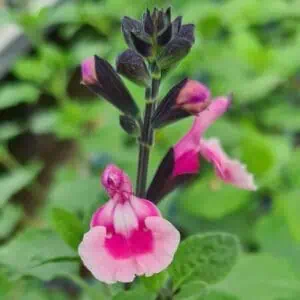
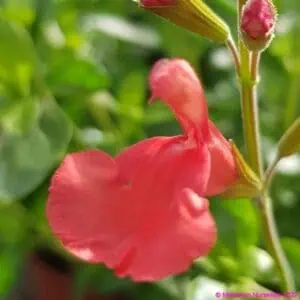
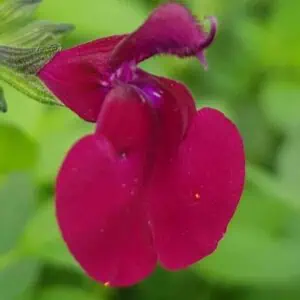
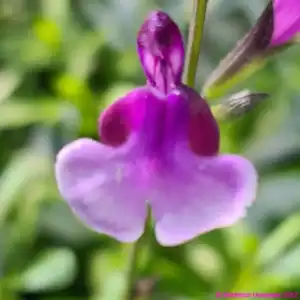
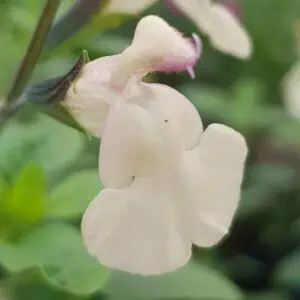
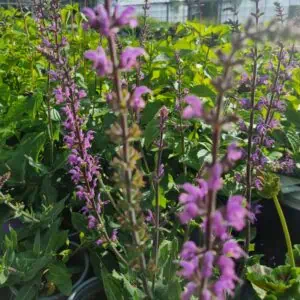
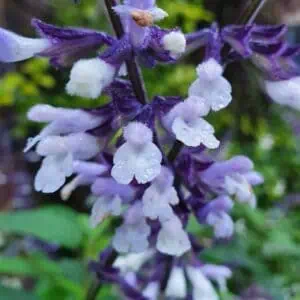
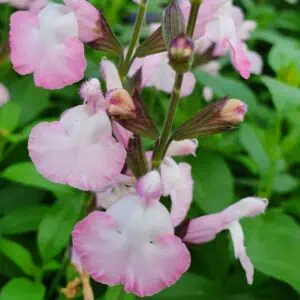
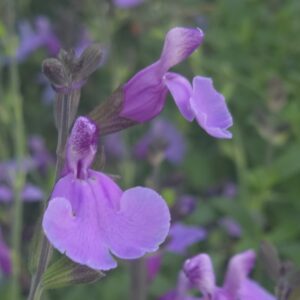
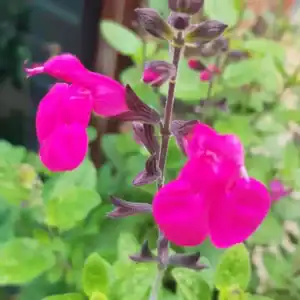
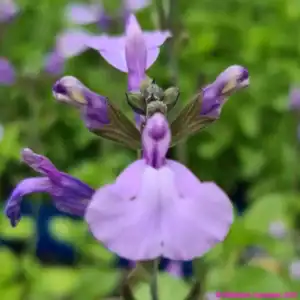
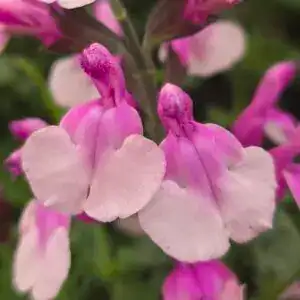
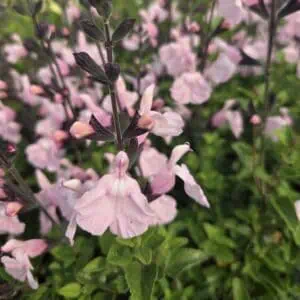
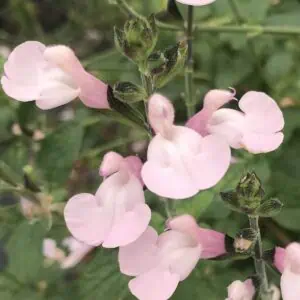
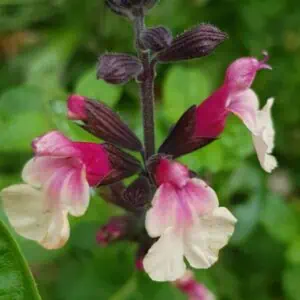
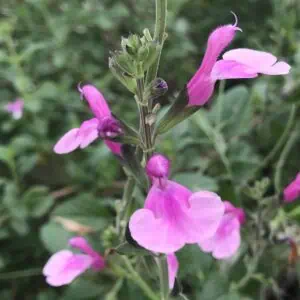
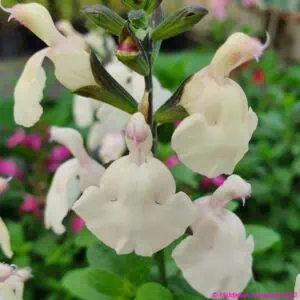
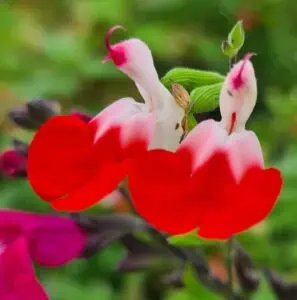
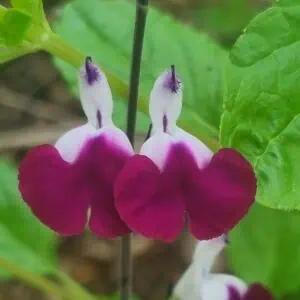
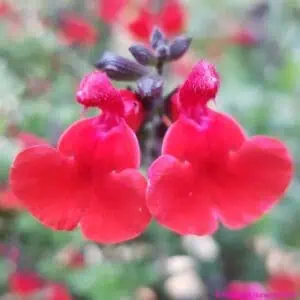
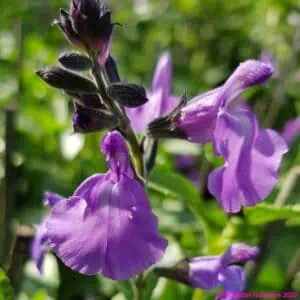
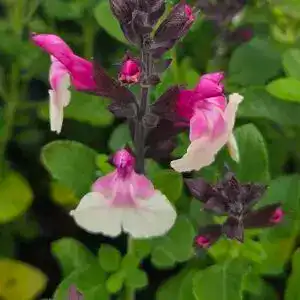
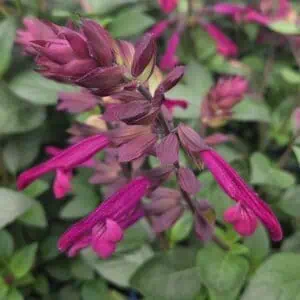
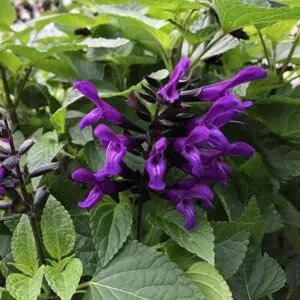
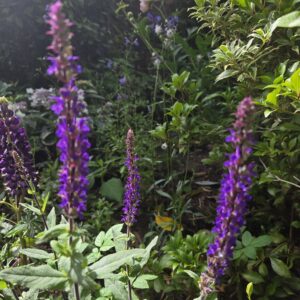
Salvia ‘Lalarsha’ is a robust, bushy hybrid salvia with rose-pink flowers above green foliage from summer into autumn. It forms a sturdy perennial clump that earns its place in any sunny border.
Rose-pink looks fresh beside blue catmint, deep purple sages and the soft plumes of ornamental grasses. Plant it towards the middle of a bed where its long display can anchor the planting, and add a few silver-leaved neighbours to cool the colour.
Choose a sheltered, sunny position with well-drained soil. Hardiness is H4, which means hardy in most places (-10 to -5C), although in severe winters a layer of leaf mould applied as a mulch in autumn gives extra protection. Plant in spring, in mid-April and May, or in autumn. Water thoroughly after planting and during prolonged dry spells in the first year; the RHS describes salvias as drought tolerant once established, but they dislike continually wet soil, so let it dry a little between waterings.
Deadhead through summer to keep the flowers coming. In cold or exposed gardens, leave the old top growth over winter and prune in spring; in milder areas, prune shrubby stems in late March or April, cutting back to healthy new growth. We grow our plants at our family nursery in Staffordshire and send each ‘Lalarsha’ as a young plant, ready to grow on, in a choice of pot sizes.

Free delivery over £59.99
Seasonal availability helps us send plants at their best
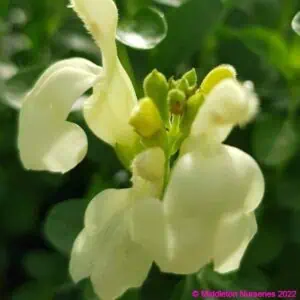
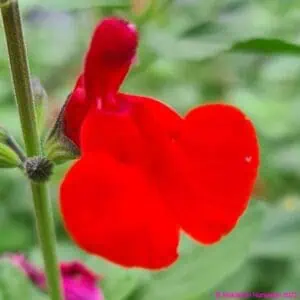
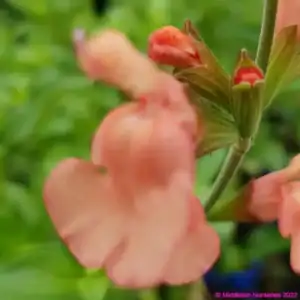
More plants in pink to go with this one.
Planting and flowering times are general guidelines and vary with your location and conditions.
Deadhead through summer and cut back according to your climate. In cold or exposed gardens leave the old top growth over winter and prune in spring; in milder areas, prune shrubby stems in late March or April. Check which type of border salvia it behaves like in your garden.
Water thoroughly after planting and during prolonged dry spells in the first growing season. The RHS describes salvias as drought tolerant once established, but they dislike continually wet soil, so let it dry a little between waterings. Mulching in autumn, as Middleton suggests, also helps the soil hold moisture.
Choose a sheltered, sunny position with well-drained soil, planting in spring (mid-April and May) or autumn as the RHS advises for hardy border salvias. Middleton recommends protecting it in severe winters with a layer of leaf mould mulch applied in autumn.
Rated on Trustpilot by Middleton Nurseries customers.
“Swift delivery of good quality plants. They’ve established well.”
Julie · Verified review on TrustpilotGrowing“Lovely plants which arrived in great condition. Salvias which I planted late last year survived the dreadful drought and heat this summer while plants from other suppliers did not. Proves the quality of what Middleton supply.”
Jennymay · Verified review on TrustpilotQuality“A very wide choice available. The plants arrived well packaged, were healthy and well grown. I would buy again from this nursery.”
Sutton Customer · Verified review on TrustpilotService“Great quality plants and outstanding customer service. Thank you.”
Lucy Mann · Verified review on TrustpilotYes, Middleton advises protecting it in severe winters with a layer of leaf mould in autumn. The RHS says mulch should be at least 5cm deep, applied from late autumn to late winter, and a thicker layer over the base of the plant helps more tender salvias through the cold.
Middleton describes it as a robust, bushy perennial, so it should return each year in most winters. The RHS says hardy border salvias normally survive outdoors, but in cold regions it is worth wrapping shrubby types in fleece or mulching them well.
Middleton files it under hybrid salvias, so it is treated as a garden hybrid rather than a pure species. We did not find a trusted page naming its parentage, so we cannot say which species are involved or how it will prune.
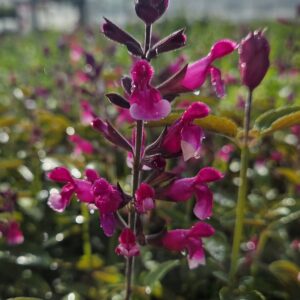
Yes, Middleton describes its rose-pink flowers as nectar-rich and highly attractive to bees and butterflies. The RHS says salvias in general attract pollinators such as bees, so it suits a wildlife-friendly border.
Take cuttings in spring to early summer or in late summer to autumn. The RHS says border salvias root easily from softwood and semi-ripe cuttings, and seed from hybrids may not come true to the parent. Herbaceous types can also be divided in spring.
Stay in the loop with exclusive promotions, news, and updates. Sign up now and enjoy 10% off your next order