TL;DR
- Salvias not flowering is usually down to too little sun, too much nitrogen, wrong-time pruning or stress from drought or cold.
- Most salvias need full sun, and the RHS says they flower poorly in shade.
- Prune hardy salvias after the first flush and in spring, not in autumn.
- Use a potash-rich feed, such as tomato fertiliser, rather than a high-nitrogen one.
- New plants, container plants and late-flowering varieties may simply need time or a small change in care.
Salvias not flowering is one of the most common problems gardeners ask us about, and the cause is usually easy to find.
Work through the causes below in order, starting with light, and you will usually find the culprit in minutes. This guide draws on our experience growing salvias at Middleton Nurseries, and on RHS advice about growing conditions.
Quick Facts
| Most common cause | Too little sun |
| Feeding | Avoid high-nitrogen feeds |
| Pruning | Spring, and after the first flush on hardy types |
| Water | Drought stress reduces flowering |
| Cold | Frost can damage buds on tender types |
| New plants | May need a season to settle |
| Container plants | Can run short of nutrients |
| Late bloomers | Some flower in late summer or autumn |
Salvias Not Flowering: Check Light and Position First
The first thing to check when your salvias are not flowering is light. Most salvias need full sun, and the RHS plant guide to Salvia notes they grow and flower poorly in shade. If your plant is healthy but flowerless, measure how many hours of direct sun it gets: aim for six or more. Moving it to a sunnier spot in spring often solves the problem.
Salvias Not Flowering: Feeding and Watering
Too much nitrogen
Lawn feed or a high-nitrogen fertiliser gives lush leaves but few flowers. Switch to a potash-rich feed, such as tomato fertiliser, and use it sparingly, especially in pots.
Drought and waterlogging
Established salvias are drought tolerant, but plants stressed by drought or sitting in waterlogged soil may flower poorly. Water new plants in their first season, and improve drainage if soil stays wet.
Overfeeding is easy to do in containers, where regular liquid feeding builds up nitrogen. If your potted salvias are not flowering despite full sun, flush the pot with water, switch to a potash-rich feed and avoid feeding for a couple of weeks. In borders, rich, heavily manured soil has the same effect, so avoid adding extra fertiliser.
Salvias Not Flowering: Pruning and Cold Damage
Pruning at the wrong time removes flower buds. The RHS advises cutting herbaceous types such as Salvia nemorosa and Salvia x sylvestris back to near ground level after the flowers fade in mid-summer, to encourage a second flush, and pruning shrubby types in spring once new growth shows. Our salvia pruning guide sets out the timings.
Frost can also damage buds, particularly on semi-hardy and tender types. Our winter protection guide and overwintering guide explain how to protect them.
Other Reasons Salvias Are Not Flowering
New or container plants
A newly planted salvia may take a few weeks to settle, and a plant in a pot may be root-bound or short of nutrients. Repot, feed with potash and keep it watered.
Late-flowering varieties
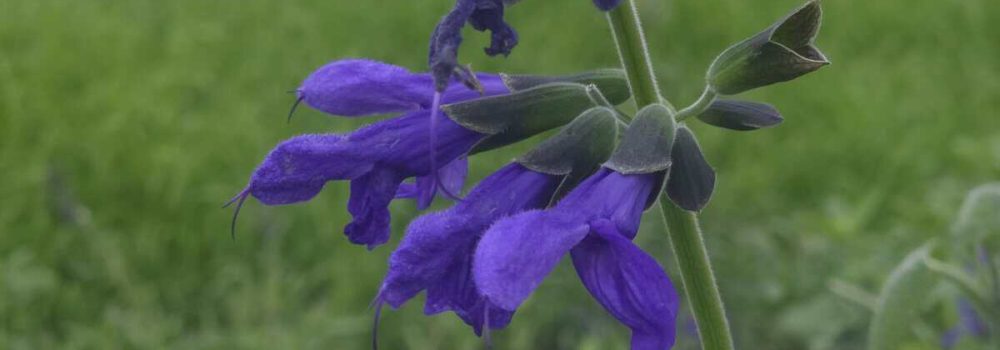
Some salvias, such as guaranitica types, naturally flower in late summer and autumn, so check the variety before assuming there is a problem. See our Salvia guaranitica guide.
Pests and disease
Aphids and capsid bugs can damage buds. Our common salvia problems guide covers the most frequent culprits.
A Quick Checklist for Salvias Not Flowering
LightAt least six hours of sun.
FeedingPotash-rich, not nitrogen-rich.
PruningNot in autumn; after first flush and in spring.
WaterWater new plants; drain wet soil.
If you have worked through the list and your salvias are still not flowering, send us a photo and a description of the position, and we can usually identify the cause.
If your salvias are not flowering, a fresh plant in a sunny, drained spot may be the answer. Browse our UK-grown range.
Browse Salvias at Middleton NurseriesIt also helps to keep a simple note of when each salvia in your garden flowers. Hardy nemorosa types flower from early summer, shrubby types from late spring, and some tender types not until late summer. Knowing the normal pattern for each plant stops you worrying about salvias not flowering when they are simply on their own schedule.
Frequently Asked Questions
Why are my salvias not flowering?
The usual causes are too much shade, too much nitrogen, pruning at the wrong time, drought or waterlogging, and cold damage. Check each in turn.
How much sun do salvias need?
Most need full sun, ideally six hours or more of direct light a day, and flower poorly in shade.
Should I feed salvias?
Use a potash-rich feed sparingly. Too much nitrogen is a common reason for salvias not flowering.
When should I prune salvias?
Cut herbaceous types back after flowering in mid-summer, and prune shrubby types in spring once new growth appears.
Do new salvias flower in the first year?
Often, but some need a few weeks or a season to settle after planting.
Can frost stop salvias flowering?
Yes, late frost can damage buds, especially on tender and semi-hardy types.
Do all salvias flower at the same time?
No. Some flower in early summer, others in late summer and autumn.