
 Skip to content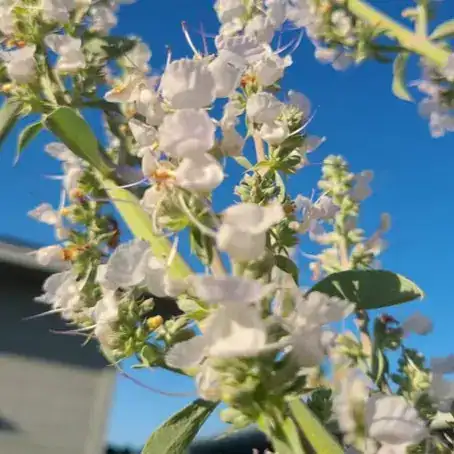


✅ In Stock • Dispatched from our nursery
✅ Free delivery over £59.99
Smaller sizes establish quickly • Larger sizes give a instant impact
Seasonal availability helps us send plants at their best
Exceptional seseds, better value
Mix & match • Create your own combination
3+ seed packs
£12.00
Save 5%
6+ seed packs
£22.00
Save 10%
9+ seed packs
Most Popular!
£31.00
Save 15%
12+ seed packs
£40.00
Save 15%
Exceptional plants, better value
Mix & match • Create your own combination
P9 (9cm)
1 Litre
3+ plants
£28.00
£33.00
Save 5%
6+ plants
Most popular!
£55.00
£65.00
Save 10%
9+ plants
£80.00
£95.00
Save 15%
*Only includes new for 2026 varieties • to see a full list of included plants click here*
Plant information
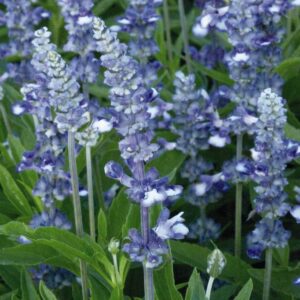
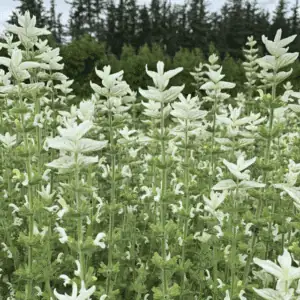
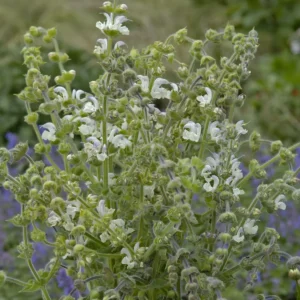
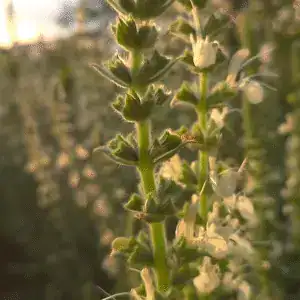
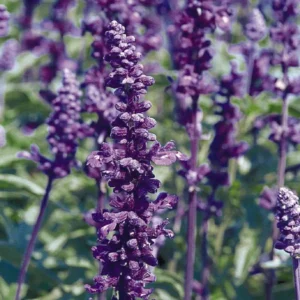
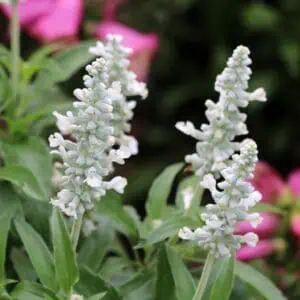
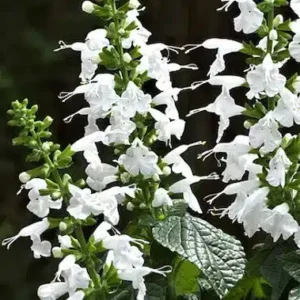
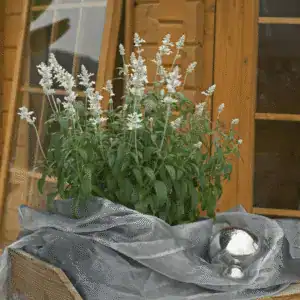
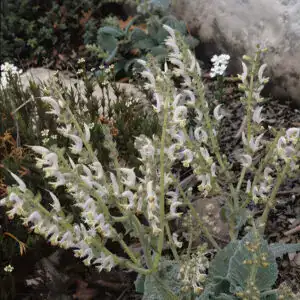
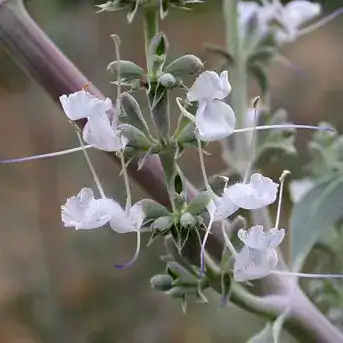
Salvia ‘Apiana’, commonly known as White Sage or Sacred Sage, features striking silvery foliage with a velvety texture, thanks to its fine, soft hairs. It also produces tall, tubular flower spikes in delicate shades of white/pale lavender. This elegant plant is a perfect choice for borders or gravel gardens, adding both texture and a touch of colour.
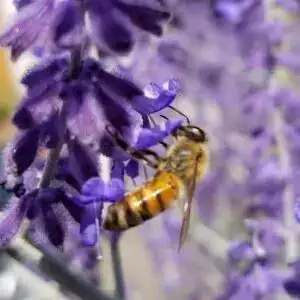
Attracts a variety of pollinators, including carpenter bees, bumblebees, butterflies, and hummingbirds, making it a fantastic addition to pollinator-friendly gardens. By providing a rich food source for these creatures, it plays an important role in supporting biodiversity and enhancing local ecosystems. It’s low-maintenance nature and easy-growing habit, this variety is an ideal choice for gardeners of all experience levels.
The plant’s structure and growing habit not only provides visual interest but also creates a layered effect, enhancing the overall aesthetic of your garden space. Its graceful yet robust presence makes it an excellent choice for creating depth and dimension, whether as a focal point or as part of a mixed planting scheme within borders.
Sow seeds from March to April in pots/seedling trays spreading them evenly on the surface of moist well-drained soil, a light sprinkle of soil is all that’s needed to gently cover the seeds.
Once your seeds are sown, place the pots or trays in a warm, controlled environment such as a greenhouse or propagator, maintaining a consistent temperature between 20-22°C. This warm, humid temperature will encourage the seeds to germinate.
Seedlings typically taking anywhere from 15-21 days to appear. During this time, monitor the compost to make sure it is well-draining but moist, avoid overwatering, which can cause the seeds to rot.
Once your seedlings are established in pots/seedling trays, transplant them into larger pots to accommodate their growth. From end of May gradually acclimate them to cooler conditions by hardening them off over 7-10 days, allowing the plants to adjust to outdoor conditions. Before planting them outside, ensure the soil is sandy, well-drained, and the site receives full sun. Pinch out growing tip to encourage new bushy growth. Deadhead spent flowers if you prefer to prevent self-seeding. Avoid pruning old stems until new growth begins to appear in the spring. The best time to divide perennial Salvias is early spring, before new growth starts to emerge.
Stay in the loop with exclusive promotions, news, and updates. Sign up now and enjoy 10% off your next order