
 Skip to content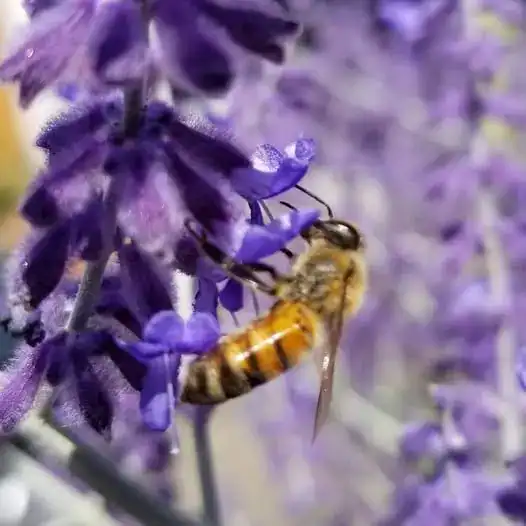
✅ In Stock • Dispatched from our nursery
✅ Free delivery over £59.99
Smaller sizes establish quickly • Larger sizes give a instant impact
Seasonal availability helps us send plants at their best
Exceptional seseds, better value
Mix & match • Create your own combination
3+ seed packs
£12.00
Save 5%
6+ seed packs
£22.00
Save 10%
9+ seed packs
Most Popular!
£31.00
Save 15%
12+ seed packs
£40.00
Save 15%
Exceptional plants, better value
Mix & match • Create your own combination
P9 (9cm)
1 Litre
3+ plants
£28.00
£33.00
Save 5%
6+ plants
Most popular!
£55.00
£65.00
Save 10%
9+ plants
£80.00
£95.00
Save 15%
*Only includes new for 2026 varieties • to see a full list of included plants click here*
Plant information
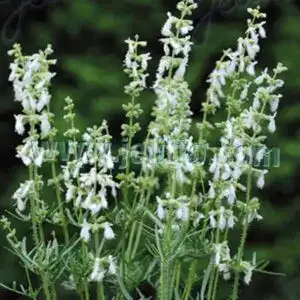
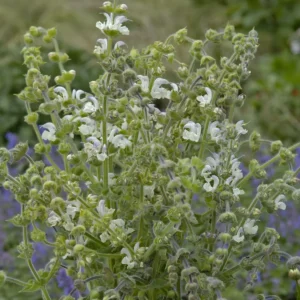
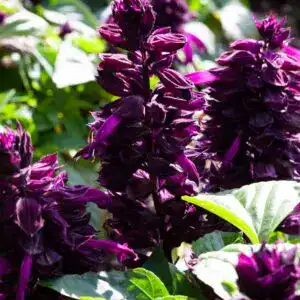
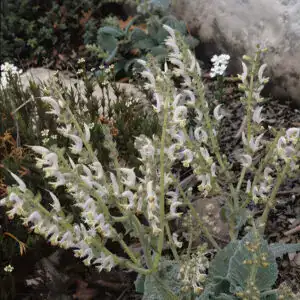
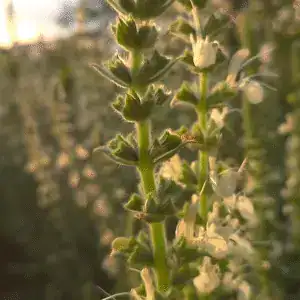
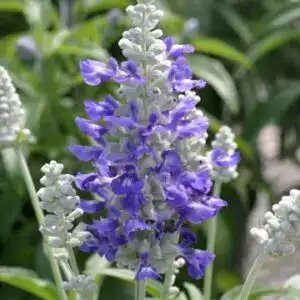
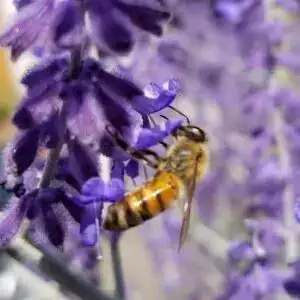
Salvia perovskia ‘Atriplicifolia’ is a wonderful choice for adding interest to garden borders or containers. Its stunning lavender-coloured flowers also make it an excellent complement to a gravel garden. This beautiful variety reaches its peak flowering period from late summer into early autumn, showcasing clusters of purple blooms that emerge from its bushy, aromatic stems.
Attracting a variety of pollinators, this plant is a fantastic addition to any pollinator-friendly garden. Its powerful fragrance offers a delightful mix of sage and lavender, filling the air with a refreshing scent each time you pass by. With its easy-growing nature, this variety is an ideal choice for gardeners of all skill levels.
This variety is sure to brighten your garden, adding vibrant colour and visual appeal. Its versatility makes it perfect for both traditional cottage gardens and contemporary landscapes, seamlessly blending into any environment. It pairs beautifully with echinaceas, eryngiums, and rudbeckias, whether planted in large groups or interspersed among other perennials in a border.
With its abundance of upright, delicate flower spikes and branching habit, this variety is an excellent choice for cutting. It adds stunning beauty to both fresh and dried floral arrangements, while also infusing your home with a lovely fragrance. The blooms continue to thrive until the first frost, providing vibrant colour and texture well into the cooler months.
Sow seeds from February to March to ensure flowering for summer. Sow in pots/seedling trays spreading them evenly on the surface of moist well-drained soil, a light sprinkle of soil is all that’s needed to gently cover the seeds.
Once your seeds are sown, place the pots or trays in a warm, controlled environment such as a greenhouse or propagator, maintaining a consistent temperature between 20-22°C. This warm, humid temperature will encourage the seeds to germinate.
Russian Sage can take it’s time to appear, with seedlings typically taking anywhere from 21-120 days to appear. During this time, monitor the compost to make sure it is well-draining but moist, avoid overwatering, which can cause the seeds to rot.
Once your seedlings are established in pots/seedling trays, transplant them into larger pots to accommodate their growth. From end of May gradually acclimate them to cooler conditions by hardening them off over 7-10 days, allowing the plants to adjust to outdoor conditions. Before planting them outside, ensure the soil is sandy, well-drained, and the site receives full sun. Pinch out growing tip to encourage new bushy growth. Deadhead spent flowers if you prefer to prevent self-seeding. Avoid pruning old stems until new growth begins to appear in the spring. The best time to divide perennial Salvias is early spring, before new growth starts to emerge.
Stay in the loop with exclusive promotions, news, and updates. Sign up now and enjoy 10% off your next order