...

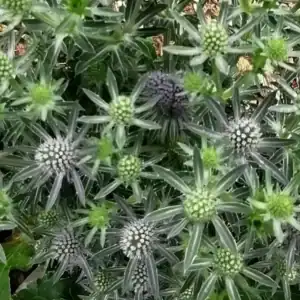
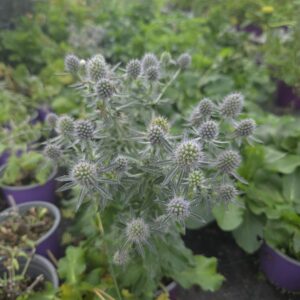
Eryngium x zabelii ‘Big Blue’ (Sea Holly)

Stock Availability: In Stock

P9(9cm Pot)

1 Litre(13cm Pot)

Any 3 plants (mix and match)

£25.00

£30.00

Save 5%

Any 6 plants (mix and match)

£45.00

£58.00

Save 10%

Any 9 plants (mix and match)

£65.00

£80.00

Save 15%

P9 (9cm)

1 Litre

Any 3 plants (mix and match)

£25.00

£30.00

Save 5%

Any 6 plants (mix and match)

£45.00

£58.00

Save 10%

Any 9 plants (mix and match)

£65.00

£80.00

Save 15%

More must-have additions for your garden

Plant information

Plant Description

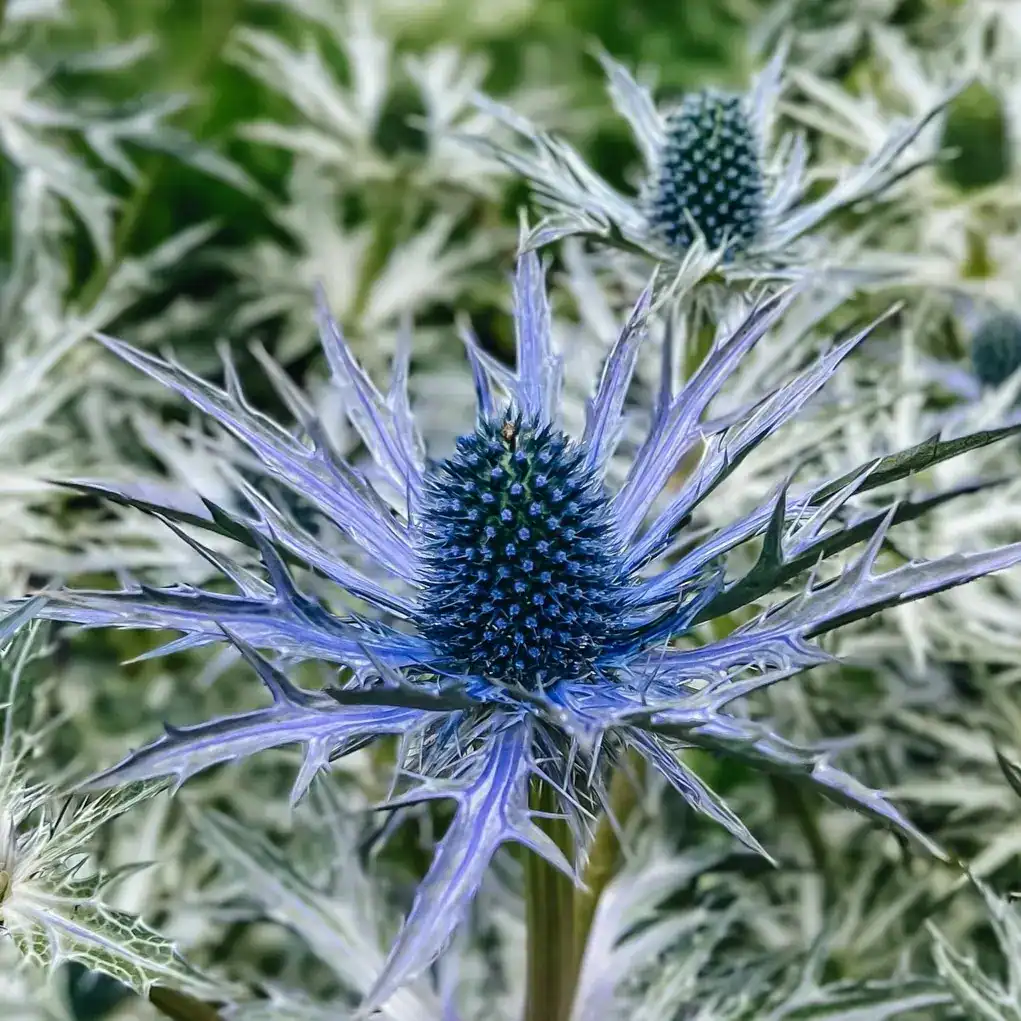
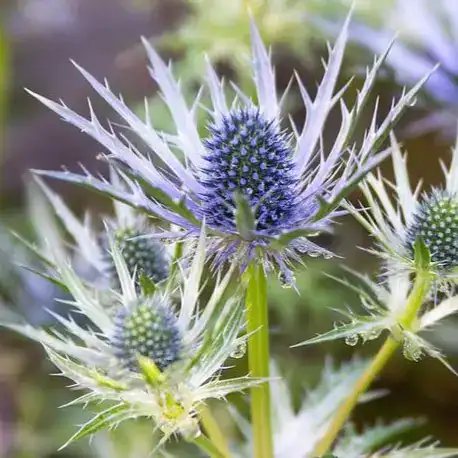
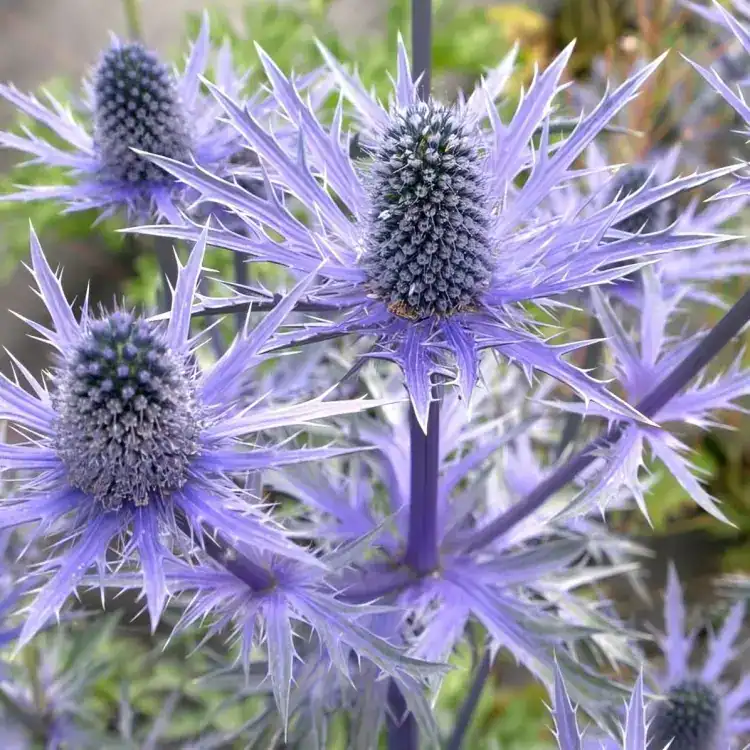
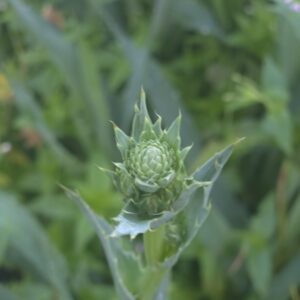
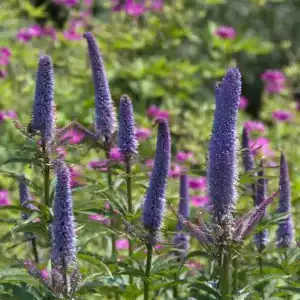
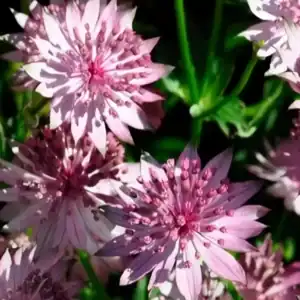
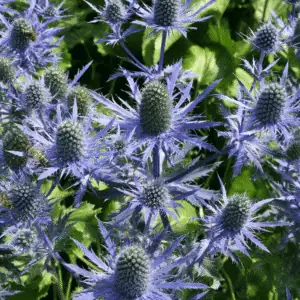
Eryngium x zabelii Big Blue has attractive grey-green spiky leaves and a spiky thimble-shaped blue flower. Perfect for pots and borders and great for attracting bees to your garden. Although regarded as a perennial, it’s recommended to protect in severe winters. Lift and divide large plants in spring. Makes great cut flowers

More Great Choices
Have an issue with this plant?​

🌿 How to Care for Eryngium x zabelii ‘Big Blue’ (Sea Holly)

How much sun do perennials need?

Perennials thrives in full sun—around six hours a day. While it can tolerate light shade, you’ll get the best flowering in bright, open spots.
It prefers well-drained soil, ideally sandy or chalky. Rich or heavy soils can cause the plant to flop and reduce flower production.
Water well during the first growing season to help it establish. Once settled, Achillea is drought-tolerant and rarely needs extra water unless it’s extremely dry.

Not much at all. In fact, too much fertiliser—especially nitrogen—can lead to more leaves and fewer flowers. A light feed in spring is plenty, if needed.

Yes—regularly remove faded flowers to encourage more blooms and stop self-seeding. You can cut the plant back in autumn or early spring to tidy it up and boost new growth.

Divide clumps every 3 to 5 years in spring or autumn to keep them healthy and vigorous. You can also take soft cuttings in spring.

Very much so. Once it’s established, it copes brilliantly in dry conditions, making it perfect for sunny borders and gravel gardens.

Achillea is generally low-maintenance, but it can occasionally suffer from aphids or powdery mildew—especially in humid or overcrowded spots. Good airflow and spacing usually prevent problems.