 Skip to content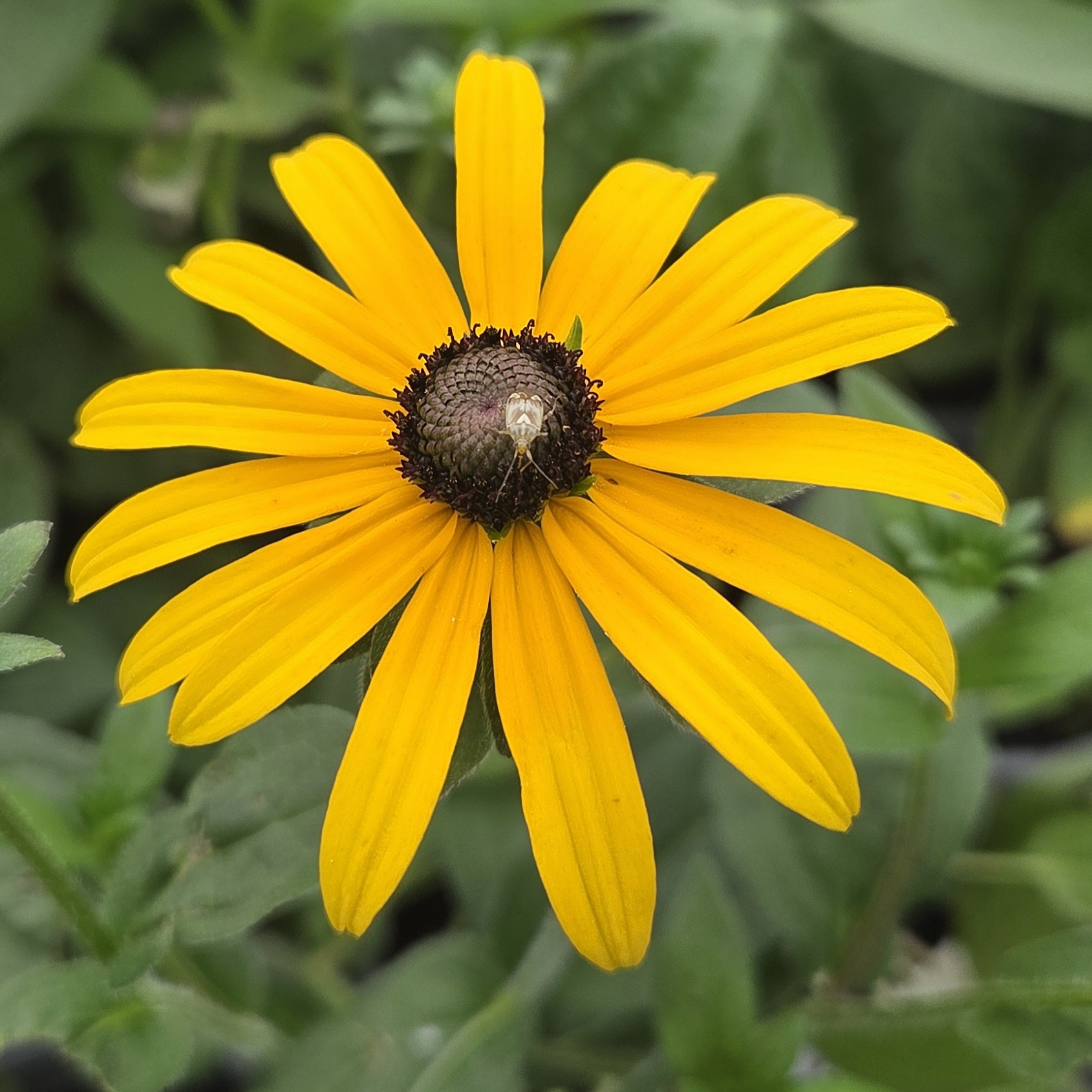


✅ In Stock • Dispatched from our nursery
✅ Free delivery over £59.99
Smaller sizes establish quickly • Larger sizes give a instant impact
Seasonal availability helps us send plants at their best
Exceptional plants, better value
Mix & match • Create your own combination • Pot sizes subject to availability
P9(9cm Pot)
1 Litre(13cm Pot)
3+ plants
£25.00
£30.00
Save 5%
6+ plants
Most Popular!
£45.00
£58.00
Save 10%
9+ plants
£60.00
£80.00
Save 15%
Exceptional plants, better value
Mix & match • Create your own combination
P9 (9cm)
1 Litre
3+ plants
£25.00
£30.00
Save 5%
6+ plants
Most popular!
£45.00
£58.00
Save 10%
9+ plants
£65.00
£80.00
Save 15%
Plant information
Plant Description
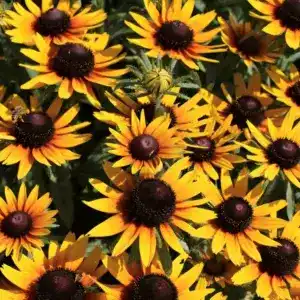
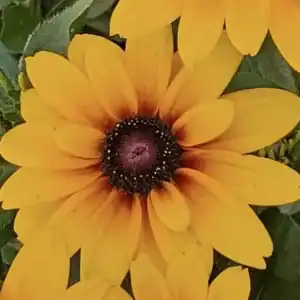
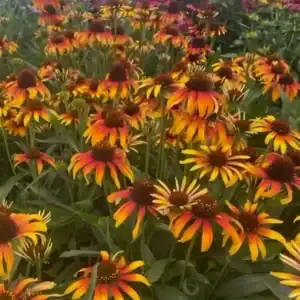
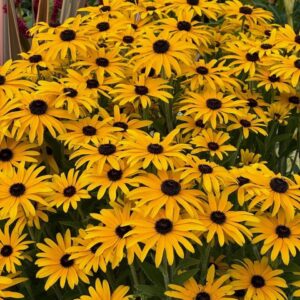
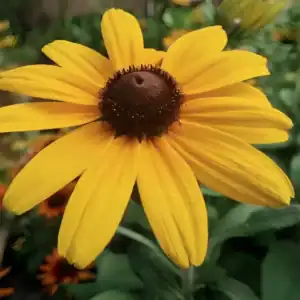
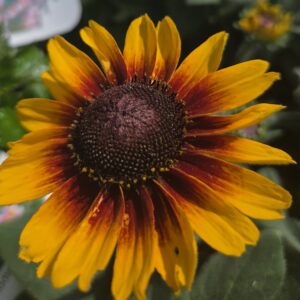
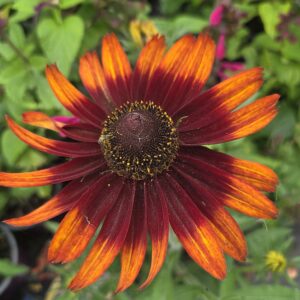
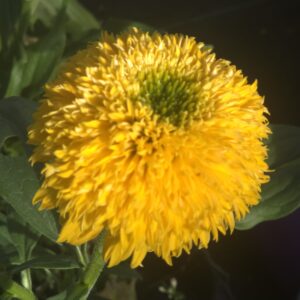
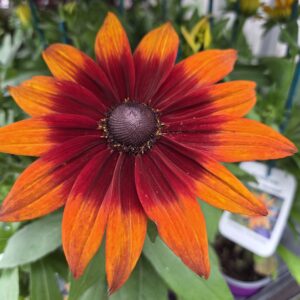
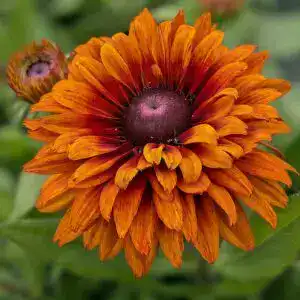
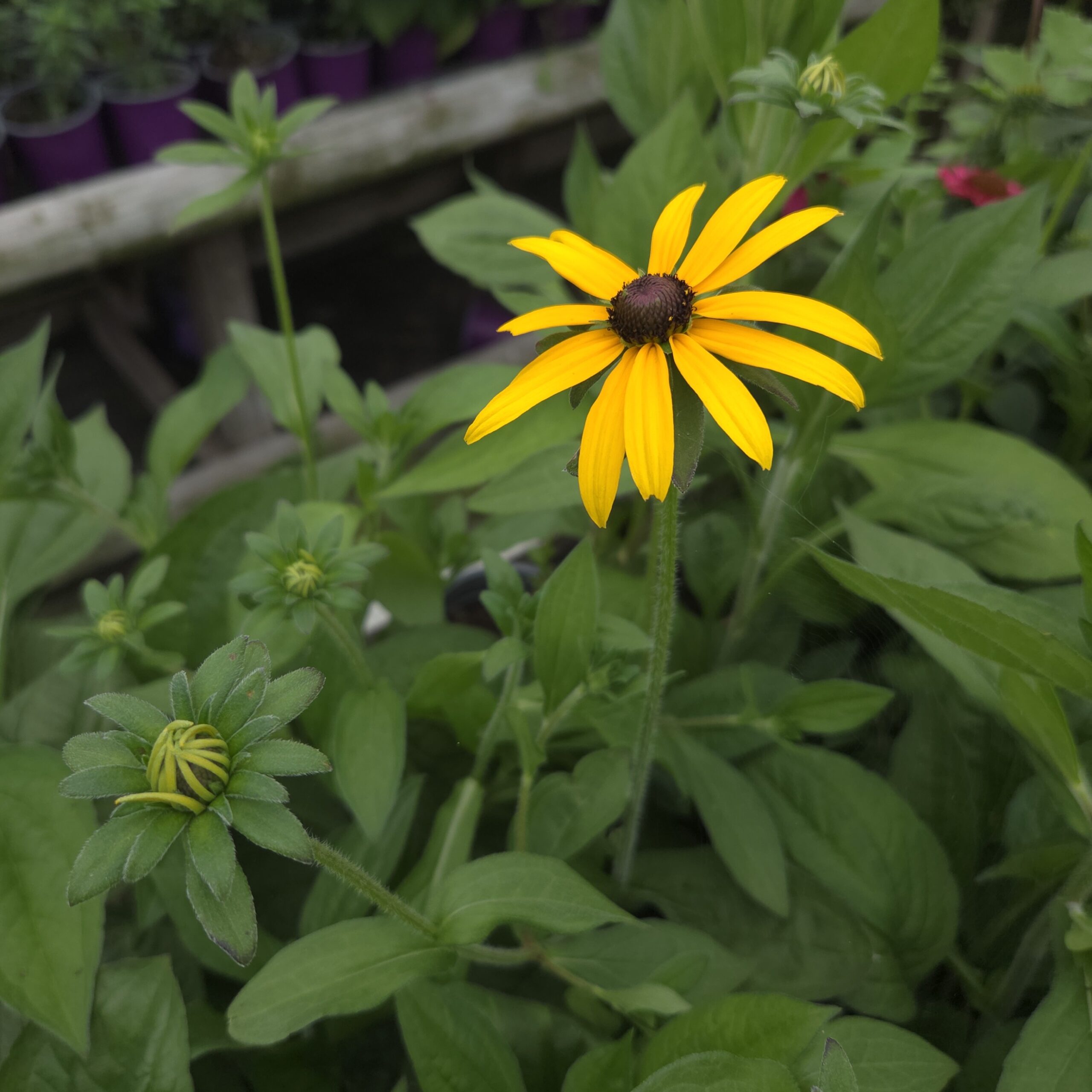
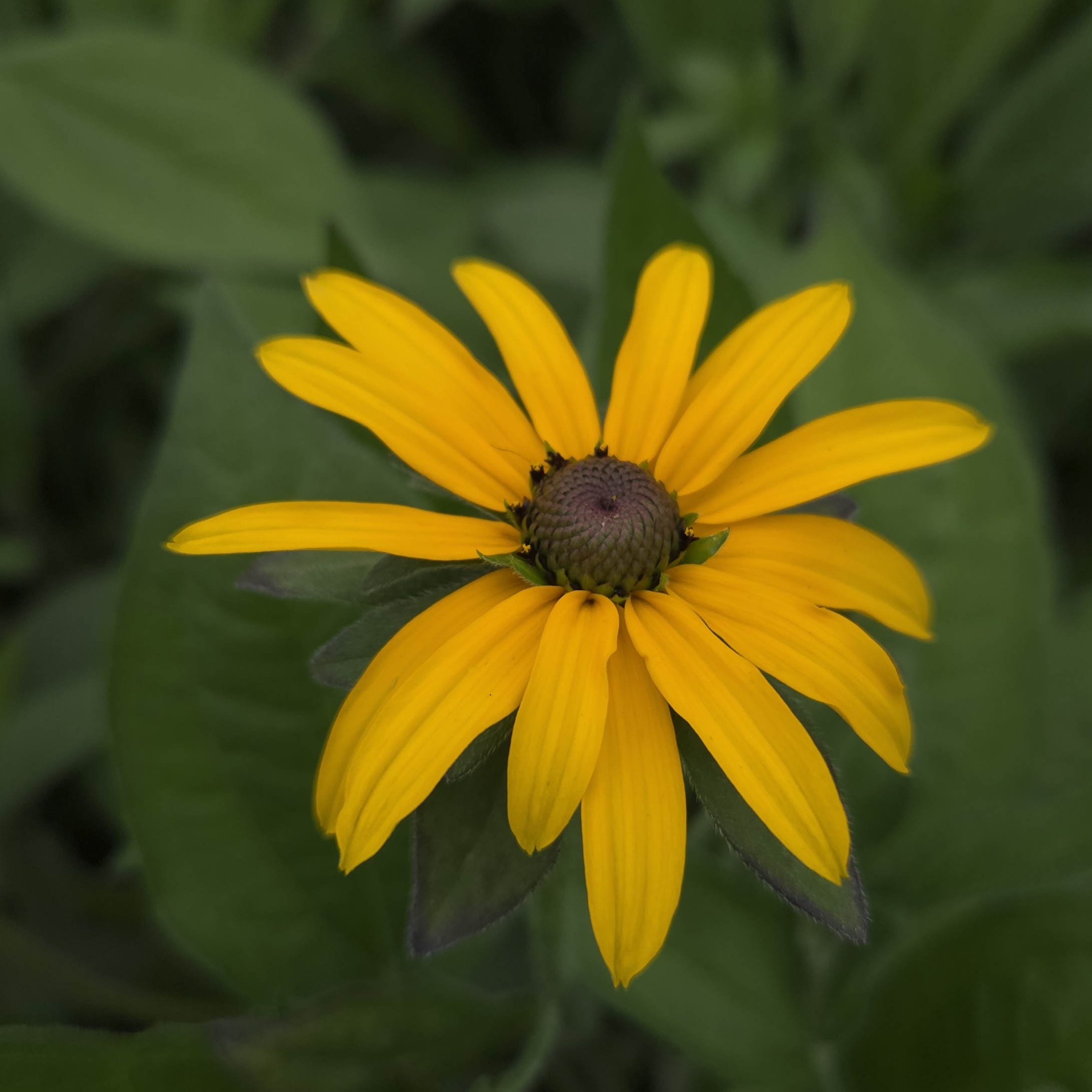
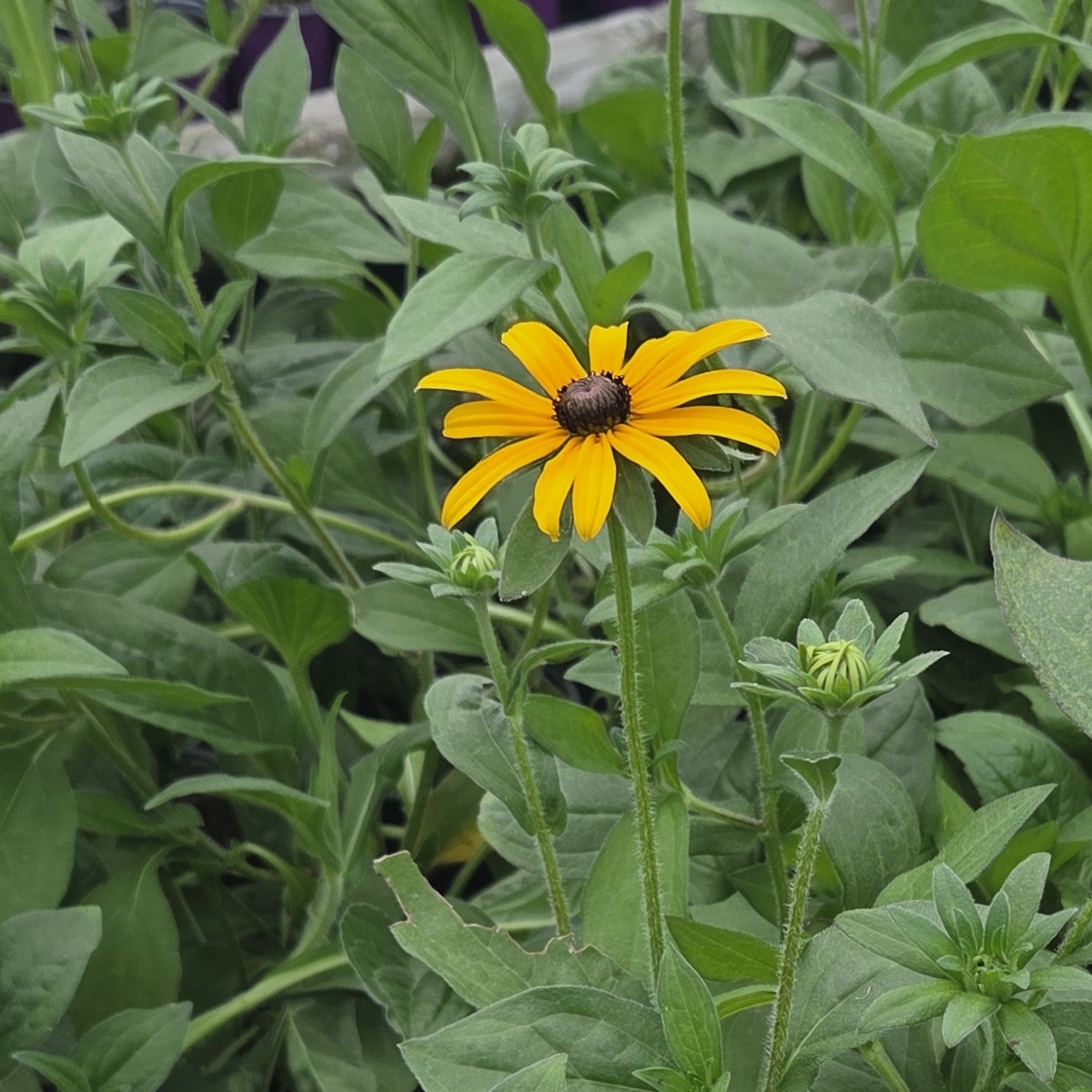
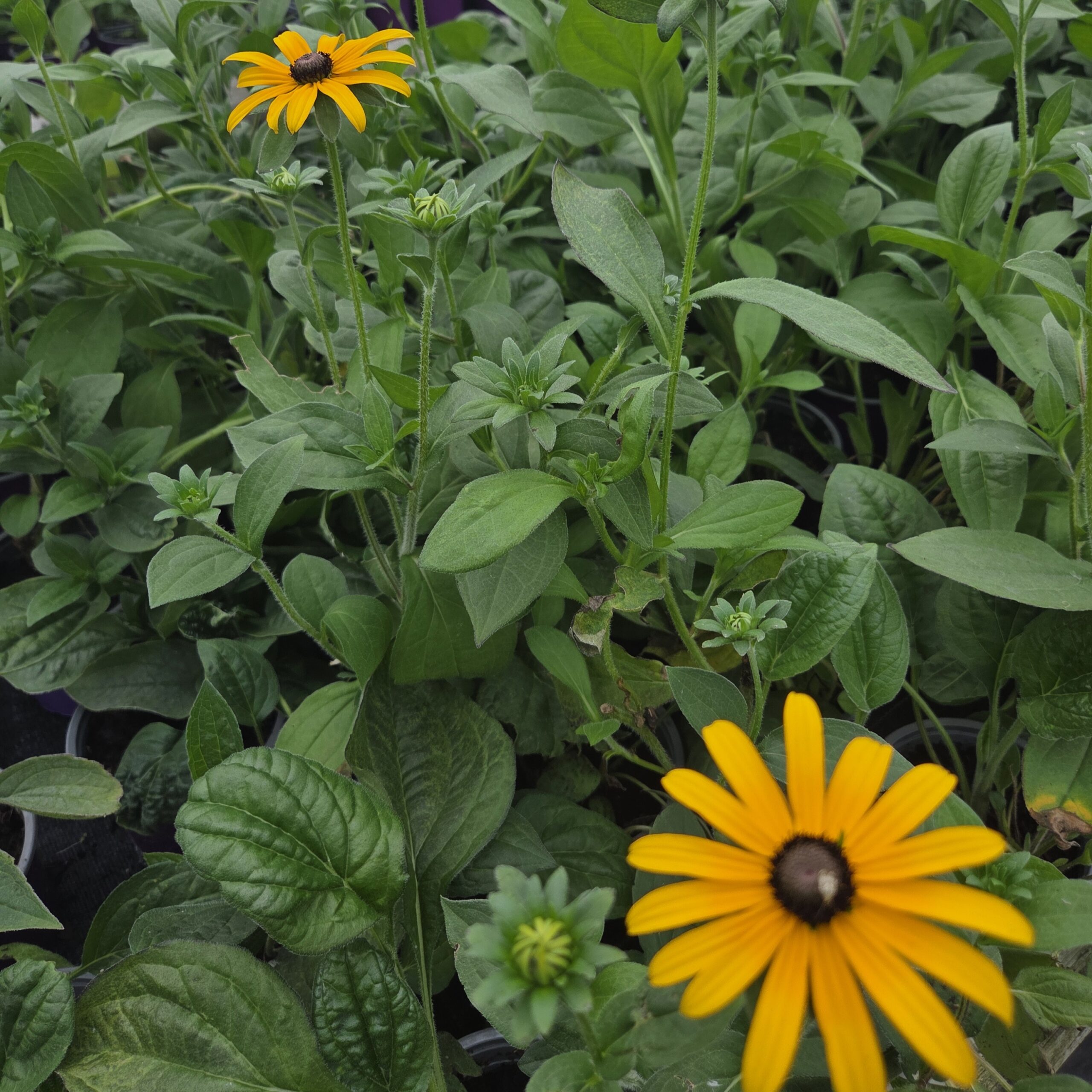
Rudbeckia fulgida var ‘Deamii’ is an excellent choice for borders and wildlife gardens, prized for its rich flowers that draw in pollinating insects. This variety produces abundant yellow flowers, creating a striking display from early summer to early autumn. Hardy in nature, ‘Deamii’ typically requires protection only in the face of a particularly severe winter. With its prolific blooms and pollinator-friendly characteristics, this Rudbeckia variety enhances both the visual appeal and ecological value of your garden, contributing to a lively and dynamic environment.
Stay in the loop with exclusive promotions, news, and updates. Sign up now and enjoy 10% off your next order