
...
Categories: ,

Philadelphus × virginalis

In Stock • Dispatched from our nursery

Free delivery over £59.99

Smaller sizes establish quickly • Larger sizes give a instant impact

Seasonal availability helps us send plants at their best

Exceptional plants, better value

Mix & match • Create your own combination • Pot sizes subject to availability

P9(9cm Pot)

1 Litre(13cm Pot)

3+ plants

£25.00

£30.00

Save 5%

6+ plants

Most Popular!

£45.00

£58.00

Save 10%

9+ plants

£60.00

£80.00

Save 15%

*excludes new for 2026 varieties • to see a full list of excluded plants click here*

Exceptional plants, better value

Mix & match • Create your own combination

P9 (9cm)

1 Litre

3+ plants

£25.00

£30.00

Save 5%

6+ plants

Most popular!

£45.00

£58.00

Save 10%

9+ plants 

£65.00

£80.00

Save 15%

More must-have additions for your garden

Plant information

Plant Description

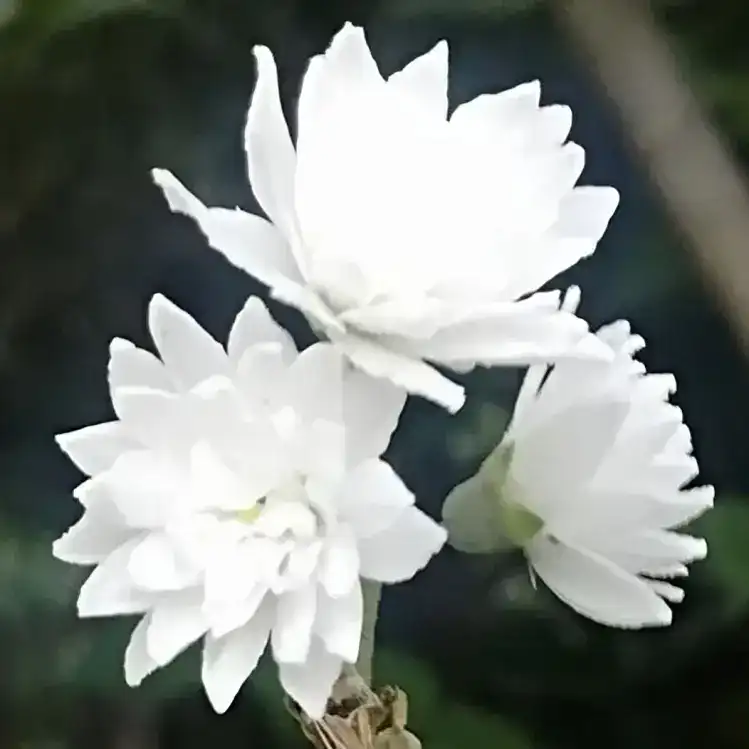
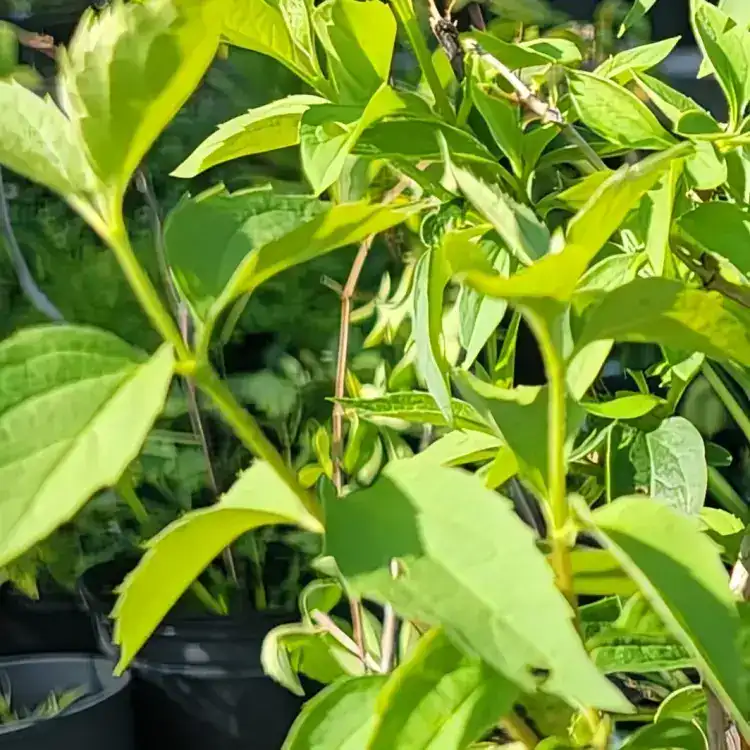
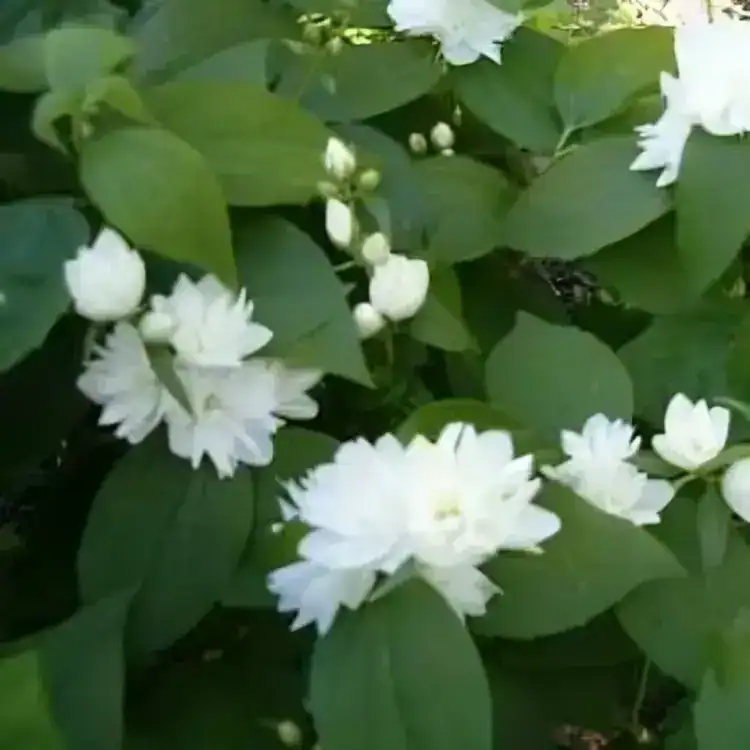
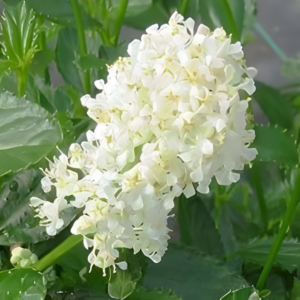
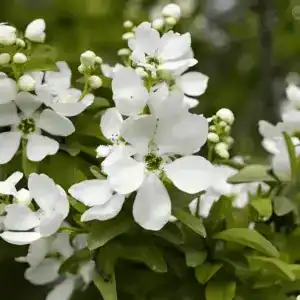
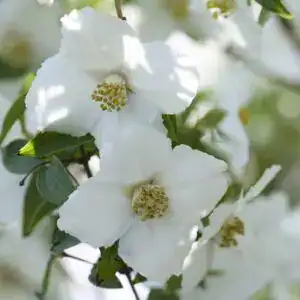
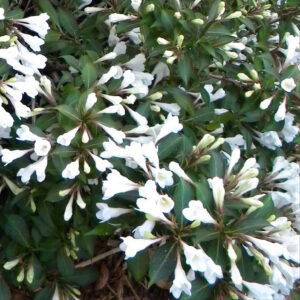
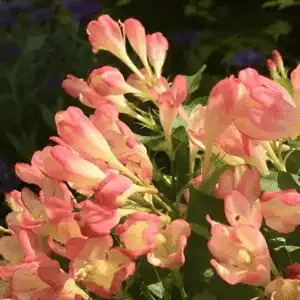
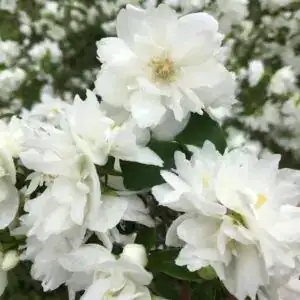
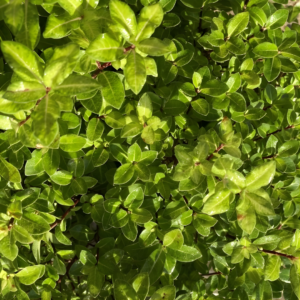
Philadelphus ‘Virginal’ stands as a robust and upright shrub with lush dark green foliage, accompanied by double, fragrant white flowers that grace the plant from early summer through late autumn. A recommended practice for enhancing the plant’s overall health and ensuring a vibrant garden display is to perform a hard pruning in early spring. This approach encourages robust blooming, contributing to the shrub’s vitality and the beauty of the garden throughout the seasons.

More Great Choices

🌿 How to Care for Philadelphus × virginalis

How much sun do Philadelphus × virginalis need?
Philadelphus × virginalis do well in full sun to part shade, depending on the species. Ensure they’re planted in spots matching their light requirements for best growth and flowering.
Philadelphus × virginalis thrive in well-drained, fertile soil. Before planting, enrich the soil with compost and avoid areas where water pools to reduce the risk of root rot
Plant Philadelphus × virginalis in spring or autumn when the weather is mild. Dig a hole twice as wide as the root ball, position the shrub at its original soil level, backfill gently, firm in, and water well.
Water Philadelphus × virginalis regularly during their first growing season. Once established, most grasses are drought-tolerant and only need water during prolonged dry periods.
Philadelphus × virginalis doesn’t require much at all. In fact, too much fertiliser—especially nitrogen—can lead to more leaves and fewer flowers. A light feed in spring is plenty, if needed.
Yes—regular pruning keeps Philadelphus × virginalis healthy and in shape.
  1. Spring bloomers: prune immediately after flowering.
  2. Summer bloomers: prune in late winter or early spring.
    Remove dead, diseased, or crossing branches each year.
Philadelphus × virginalis are often propagated by softwood cuttings, hardwood cuttings, or division, depending on the type. Division in spring or autumn helps rejuvenate older plants.
Philadelphus × virginalis is fully hardy, but some tender types may need winter protection. Planting in well-drained soil and protected spots helps them thrive.
Common issues for Philadelphus × virginalis can include aphids, powdery mildew, rust or fungal diseases, especially in overcrowded or damp areas. Improving air circulation and spacing helps prevent problems.
Light prunning for Philadelphus × virginalis improves airflow and encourages new growth. Rejuvenation pruning may be needed every few years to remove older wood and promote a fresh structure.

Join the Middleton Nurseries Gardening Club

Stay in the loop with exclusive promotions, news, and updates. Sign up now and enjoy 10% off your next order