
 Skip to content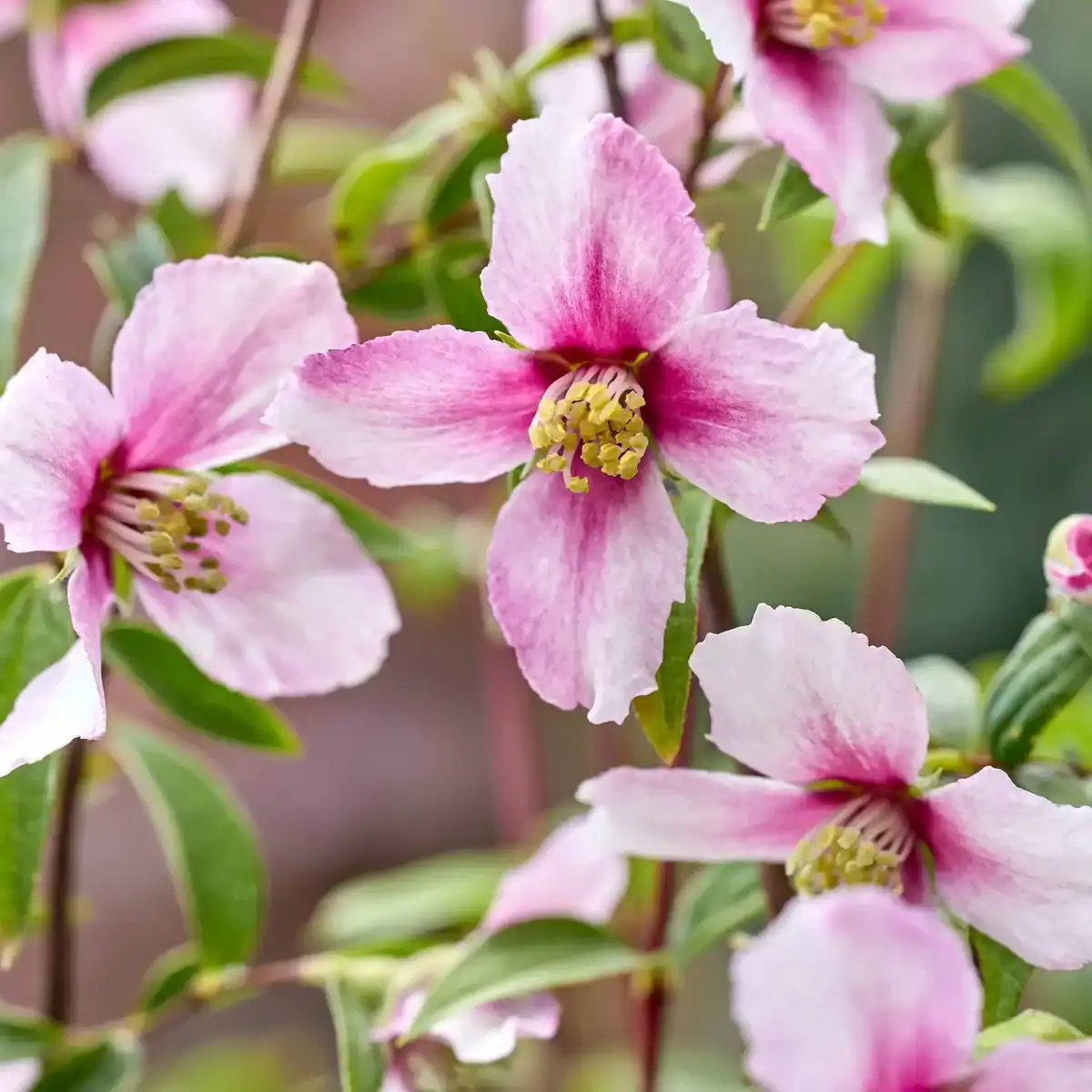


✅ In Stock • Dispatched from our nursery
✅ Free delivery over £59.99
Smaller sizes establish quickly • Larger sizes give a instant impact
Seasonal availability helps us send plants at their best
Exceptional plants, better value
Mix & match • Create your own combination • Pot sizes subject to availability
P9(9cm Pot)
1 Litre(13cm Pot)
3+ plants
£25.00
£30.00
Save 5%
6+ plants
Most Popular!
£45.00
£58.00
Save 10%
9+ plants
£60.00
£80.00
Save 15%
*excludes new for 2026 varieties • to see a full list of excluded plants click here*
Exceptional plants, better value
Mix & match • Create your own combination
P9 (9cm)
1 Litre
3+ plants
£25.00
£30.00
Save 5%
6+ plants
Most popular!
£45.00
£58.00
Save 10%
9+ plants
£65.00
£80.00
Save 15%
Plant information
Plant Description
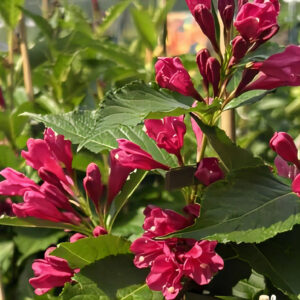
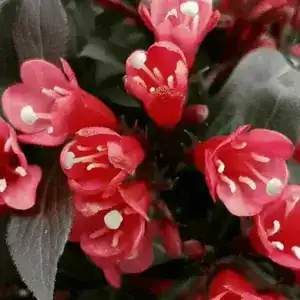
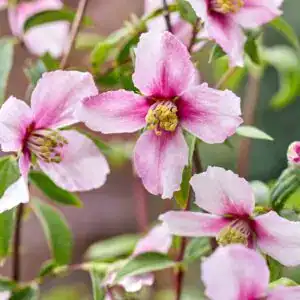
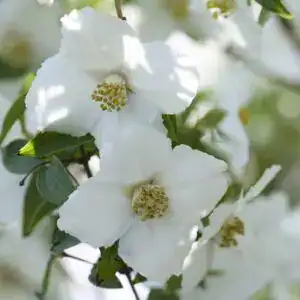
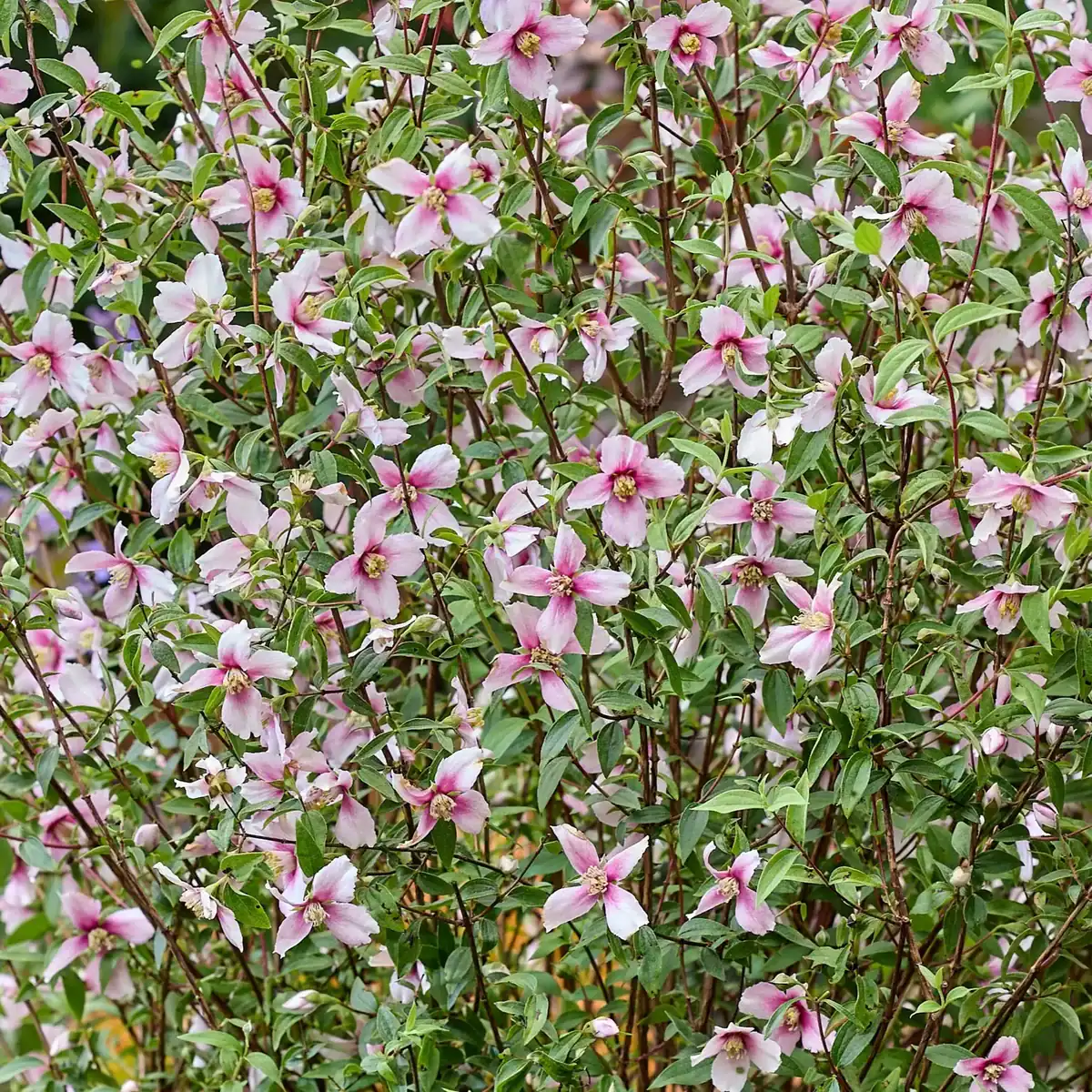
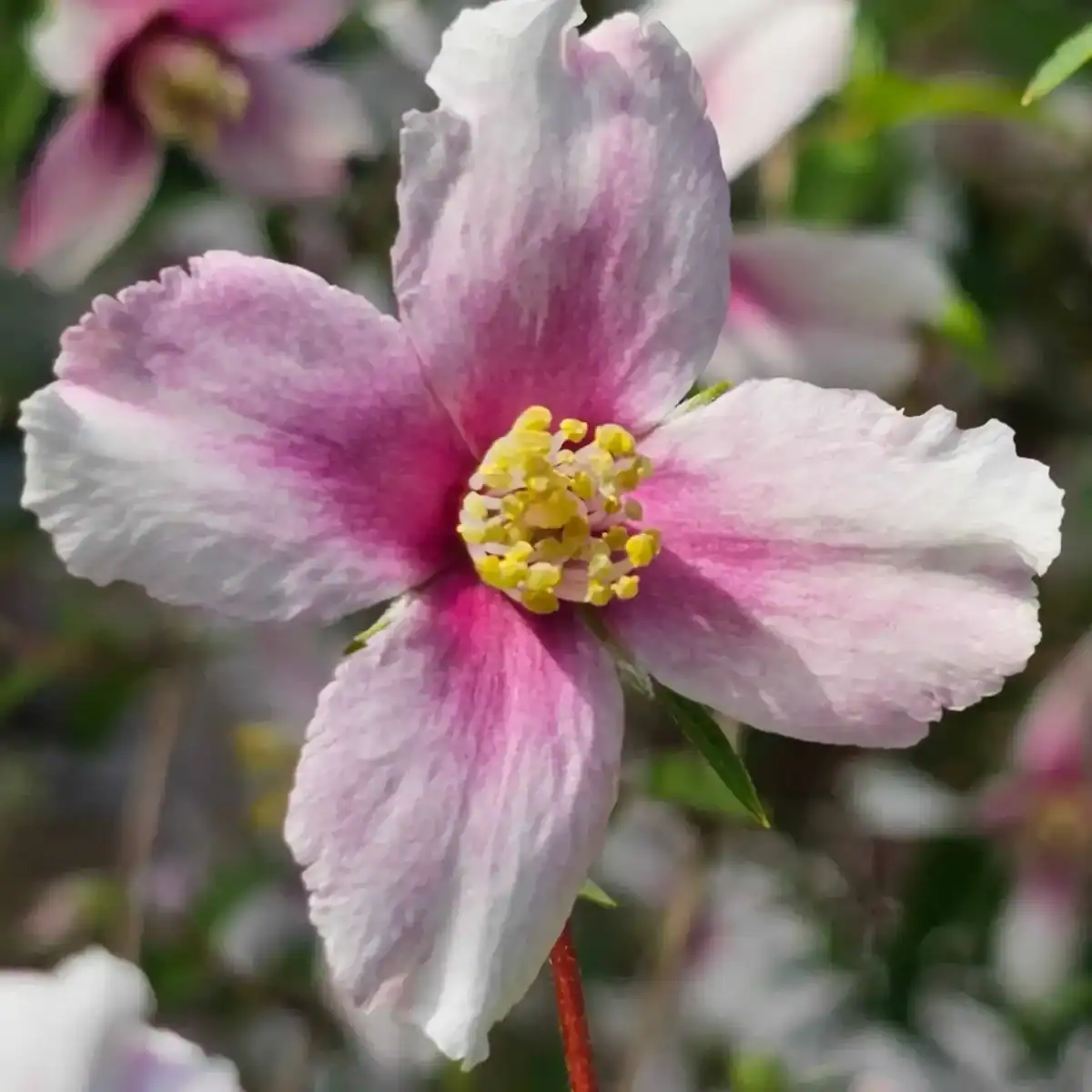
Philadelphus ‘Petite Perfume Pink’ is a delightful dwarf mock orange, renowned for its deep, dusky antique pink blooms and intoxicating orange blossom fragrance. Flowering from June to July, it entices pollinators while spreading its sweet scent across the garden. Perfect for borders, pathways, or special containers, this compact shrub adds muted magnificence to any space. Its foliage emerges in March and remains until November, offering additional interest. Thriving in full sun or partial shade with moist, well-drained soil, this hardy, deciduous shrub is drought-tolerant once established. Ideal for urban, coastal, or scented gardens, and excellent for cut flowers to bring its fragrance indoors.
Stay in the loop with exclusive promotions, news, and updates. Sign up now and enjoy 10% off your next order