
...
Categories: ,

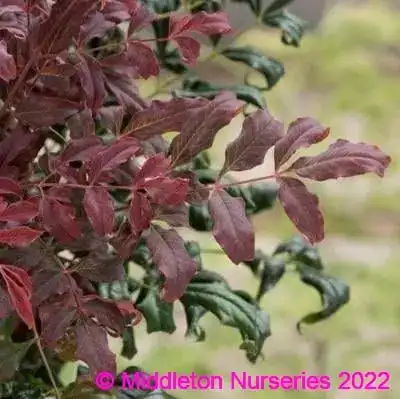
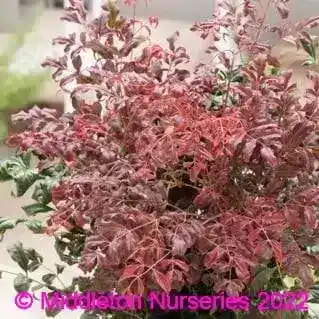
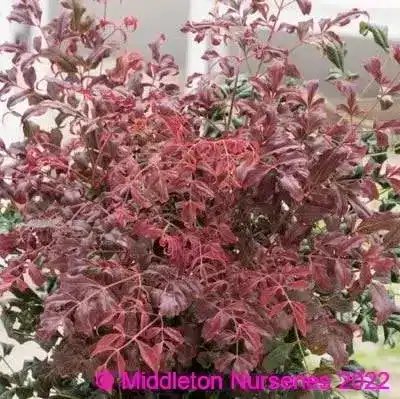
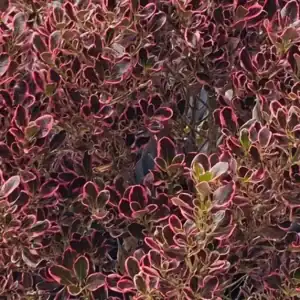
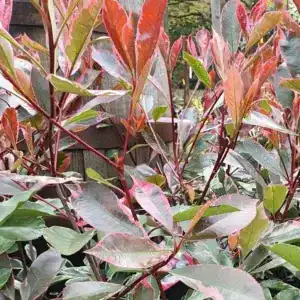
Nandina Curly Obsessed

In Stock • Dispatched from our nursery

Free delivery over £59.99

Smaller sizes establish quickly • Larger sizes give a instant impact

Seasonal availability helps us send plants at their best

Exceptional plants, better value

Mix & match • Create your own combination • Pot sizes subject to availability

P9(9cm Pot)

1 Litre(13cm Pot)

3+ plants

£25.00

£30.00

Save 5%

6+ plants

Most Popular!

£45.00

£58.00

Save 10%

9+ plants

£60.00

£80.00

Save 15%

*excludes new for 2026 varieties • to see a full list of excluded plants click here*

Exceptional plants, better value

Mix & match • Create your own combination

P9 (9cm)

1 Litre

3+ plants

£25.00

£30.00

Save 5%

6+ plants

Most popular!

£45.00

£58.00

Save 10%

9+ plants 

£65.00

£80.00

Save 15%

More must-have additions for your garden

Plant information

Plant Description

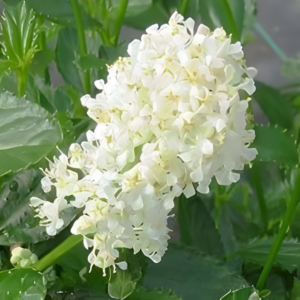
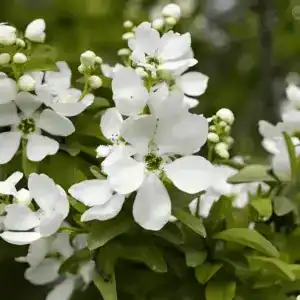
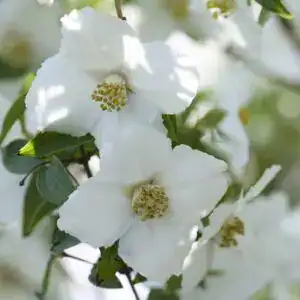
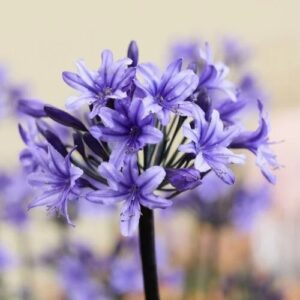
They produce masses of attractive flowers which blooms from early summer to autumn. They are a superb hardy perennial that is easy to grow. Their bushy habit is perfect to for garden border and will stand out in your garden
More Great Choices

🌿 How to Care for Nandina Curly Obsessed

How much sun do Nandina Curly Obsessed need?
Nandina Curly Obsessed do well in full sun to part shade, depending on the species. Ensure they’re planted in spots matching their light requirements for best growth and flowering.
Nandina Curly Obsessed thrive in well-drained, fertile soil. Before planting, enrich the soil with compost and avoid areas where water pools to reduce the risk of root rot
Plant Nandina Curly Obsessed in spring or autumn when the weather is mild. Dig a hole twice as wide as the root ball, position the shrub at its original soil level, backfill gently, firm in, and water well.
Water Nandina Curly Obsessed regularly during their first growing season. Once established, most grasses are drought-tolerant and only need water during prolonged dry periods.
Nandina Curly Obsessed doesn’t require much at all. In fact, too much fertiliser—especially nitrogen—can lead to more leaves and fewer flowers. A light feed in spring is plenty, if needed.
Yes—regular pruning keeps Nandina Curly Obsessed healthy and in shape.
  1. Spring bloomers: prune immediately after flowering.
  2. Summer bloomers: prune in late winter or early spring.
    Remove dead, diseased, or crossing branches each year.
Nandina Curly Obsessed are often propagated by softwood cuttings, hardwood cuttings, or division, depending on the type. Division in spring or autumn helps rejuvenate older plants.
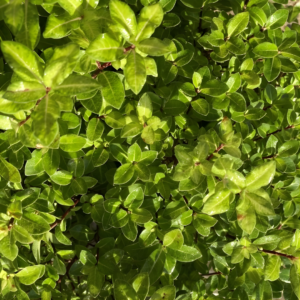
Nandina Curly Obsessed is fully hardy, but some tender types may need winter protection. Planting in well-drained soil and protected spots helps them thrive.
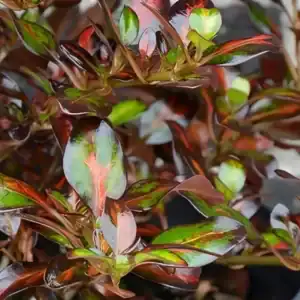
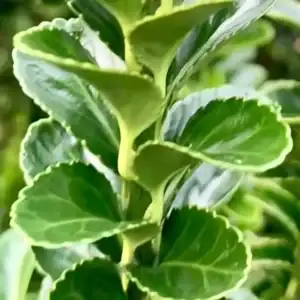
Common issues for Nandina Curly Obsessed can include aphids, powdery mildew, rust or fungal diseases, especially in overcrowded or damp areas. Improving air circulation and spacing helps prevent problems.
Light prunning for Nandina Curly Obsessed improves airflow and encourages new growth. Rejuvenation pruning may be needed every few years to remove older wood and promote a fresh structure.

Join the Middleton Nurseries Gardening Club

Stay in the loop with exclusive promotions, news, and updates. Sign up now and enjoy 10% off your next order