TL;DR
- Knowing how to grow monarda starts with soil: it needs fertile, moisture-retentive soil that drains well, in sun or light shade.
- Powdery mildew is the main problem in dry spells, so mulch, water at the base and choose resistant cultivars.
- Lift and divide clumps about every three years in spring to keep plants healthy.
- Protect plants from winter wet, and do not let them dry out in summer.
- Monarda attracts bees, butterflies and other pollinators throughout summer.
If you want to know how to grow monarda well, the answer is moisture, airflow and regular division.
Monarda, also called bergamot or bee balm, is a showy summer perennial with shaggy, scented flower heads that pollinators adore. This guide covers choosing, planting and caring for monarda, based on the perennials we grow at Middleton Nurseries.
Quick Facts
| Common name | Bergamot, bee balm |
| Group | Herbaceous perennial |
| Flowering | Mid to late summer |
| Height | Around 60cm to 1m+ |
| Position | Sun or light dappled shade |
| Soil | Fertile, moisture-retentive, well-drained |
| Division | Every three years in spring |
| Main problem | Powdery mildew in dry conditions |
What Is Monarda and Which Varieties Should You Choose?
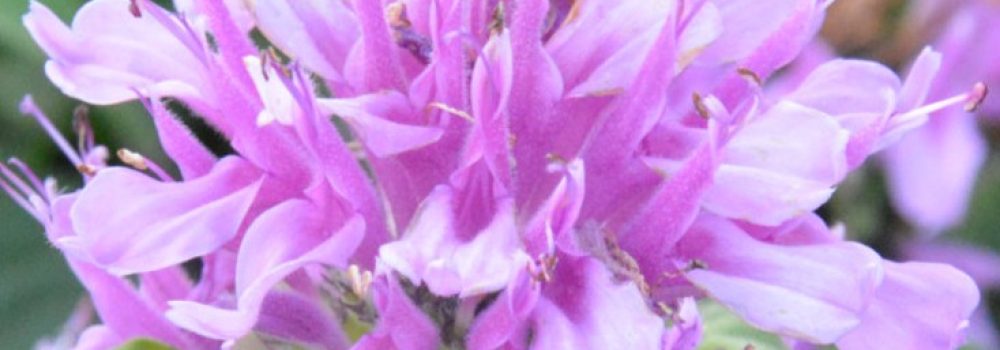
Monarda is a clump-forming perennial with whorls of tubular flowers in red, pink, purple and white above aromatic leaves. The RHS plant guide to Monarda notes that bergamots grow in any fertile, moisture-retentive soil that drains easily, in sun or light shade.
Choosing mildew-resistant monarda
Powdery mildew is the main disease concern. RHS entries note that some cultivars, such as ‘Elegant Rose’ and ‘Pink Frosting’, have good resistance, while others may be susceptible in hot, dry weather. Ask about resistance when choosing.
Monarda flowers from mid to late summer, and the tubular blooms are visited by long-tongued bumblebees, honeybees and butterflies. Heights vary from compact plants of around 60cm, which suit the front of a border or a large pot, to tall forms of over a metre for the back. When you are working out how to grow monarda in a smaller garden, choosing a compact, mildew-resistant cultivar makes everything easier.
Monarda Varieties We Grow at Middleton Nurseries
These are some of the monarda currently available from our nursery. Stock changes through the season, so check each product page for availability.
- Monarda ‘Loddon Crown’ (Bergamot)
- Monarda ‘Fireball’ (Bee Balm)
- Monarda didyma ‘Pink Lace’ (Dwarf Bee Balm)
- Monarda ‘Bee-Pretty’ (Bee-You Series) (Bergamot)
- Monarda ‘Cambridge Scarlet’ (Bergamot)
- Monarda Sugar Buzz™ ‘Bubblegum Blast’ (Bergamot)
- Monarda ‘Bee-True’ (Bee-You Series) (Bergamot)
- Monarda ‘Bee-Pure’ (Bee-You Series) (Bergamot)
See the full monarda range for colours and heights.
How to Grow Monarda: Planting and Position
Sun or light shade
Plant in full sun or light, dappled shade. The RHS notes that monarda will not flower much in deep shade.
Soil and watering
Fork in plenty of garden compost before planting, and mulch each spring. Do not let monarda dry out in summer, and do not let it stand in waterlogged soil in winter. Water at the base in dry spells to reduce the risk of mildew.
Spacing and airflow
Leave about 45cm between plants and avoid sites with stagnant air, because good airflow helps to prevent mildew.
Monarda Care Through the Year
SpringLift and divide clumps every three years. Mulch with compost.
SummerWater in dry spells and deadhead to prolong flowering.
AutumnCut back stems once they have died back, or leave seed heads for birds.
WinterProtect from excessive winter wet.
How to divide monarda
The RHS recommends lifting and dividing monarda roughly every three years, in spring before new growth begins. Discard the woody centre and replant healthy outer sections at the same depth, then water well.
Monarda Companions and Wildlife
Monarda is a magnet for bumblebees, honeybees and butterflies. Plant it with grasses, echinacea and late-flowering salvias for a long season of nectar. Our summer border guide and companion planting guide offer combinations that work.
Because monarda flowers when many early perennials have finished, it fills a valuable gap in the pollinator calendar. Leave some seed heads standing in autumn for birds, and cut back in late winter. Our best salvias for pollinators guide lists more plants that work well alongside it.
Common Monarda Problems
The main problem is powdery mildew, which appears as a white coating on leaves in dry weather. Prevent it with mulch, regular watering at the base, good spacing and resistant cultivars. If it appears, cut back affected stems and clear the debris. Plants that are too dry or too wet may also decline, so aim for moist but well-drained soil.
Now you know how to grow monarda, browse our UK-grown plants and choose colours for your border.
Shop Monarda at Middleton NurseriesFrequently Asked Questions
How to grow monarda in the UK?
The key to how to grow monarda is fertile, moisture-retentive but well-drained soil, sun or light shade, and division about every three years.
Does monarda like sun or shade?
Sun or light dappled shade suits it. It will not flower much in deep shade.
Why does my monarda get mildew?
Powdery mildew develops in dry spells and crowded planting. Mulch, water at the base, give plants space and choose resistant cultivars.
When should I divide monarda?
About every three years in spring, before new growth begins.
Is monarda hardy?
Monarda is a hardy herbaceous perennial, but it dislikes excessive winter wet.
Do bees like monarda?
Yes, the flowers are rich in nectar and attract bees and butterflies.
Can I grow monarda in a pot?
It can be grown in a large pot of moisture-retentive compost, but needs regular watering.