
TL;DR
- Knowing how to grow kniphofia starts with sun and free-draining soil, because winter wet is a bigger threat than cold.
- Plant in spring, at the depth the plant was in its pot.
- Tie leaves together or mulch with dry material to protect crowns in winter.
- Deadhead by cutting faded stems to the base, and clear dead foliage in late March or April.
- Divide established clumps in spring for new plants that flower within a year or two.
If you want to know how to grow kniphofia well, the formula is full sun, free-draining soil and protection from winter wet.
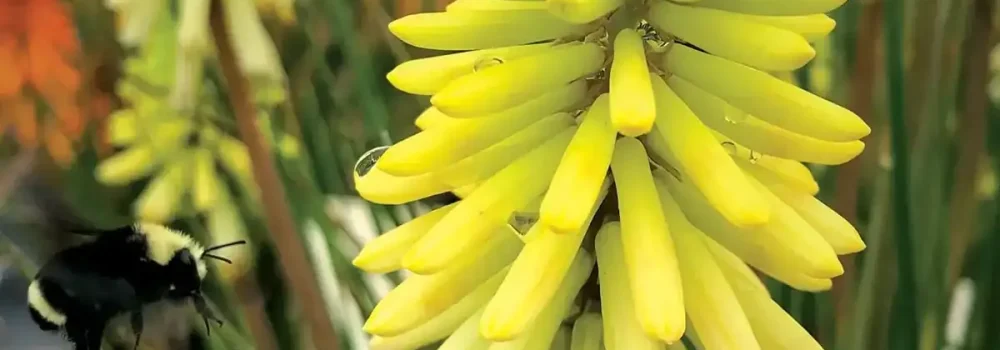
Red hot pokers bring bold vertical accents in fiery oranges, yellows and creams, and bees and butterflies love them. This guide explains how to choose, plant and care for kniphofia, using RHS advice and our experience growing perennials at Middleton Nurseries.
Quick Facts
| Common name | Red hot poker, torch lily |
| Group | Herbaceous or evergreen perennial |
| Flowering | Summer to autumn, depending on variety |
| Height | Around 60cm to over 1m |
| Position | Full sun |
| Soil | Free-draining; avoid wet soil |
| Pruning | Deadhead; clear dead foliage late March/April |
| Hardiness | Most reasonably hardy; some need shelter |
What Is Kniphofia and Which Varieties Should You Choose?
Kniphofia, or red hot poker, forms clumps of grassy leaves topped with torch-like flower spikes. The RHS growing guide to kniphofia notes that most are reasonably hardy, though a few, such as Kniphofia northiae, are more tender and need a warm, sheltered spot. Kniphofia x praecox is rated H5 by the RHS.
Choosing by height and flowering time
Compact types suit pots and smaller borders, while taller types make architectural accents. Flowering times range from early summer to autumn, so choosing several varieties extends the display.
Pokers vary in leaf type as well as flower. Some have broad, evergreen, strap-like leaves, while others are finer and semi-deciduous. Check the label so you know whether the foliage will stay green through winter, because this affects how much protection and tidying the plant needs. In mild gardens many kniphofia hold green leaves, but even then the RHS recommends removing old foliage in spring to make way for fresh growth.
Kniphofia Varieties We Grow at Middleton Nurseries
These are some of the kniphofia currently available from our nursery. Stock changes through the season, so check each product page for availability.
- Kniphofia ‘Fire Glow’ (Popsicle Series)
- Kniphofia ‘Mango Popsicle’ (Popsicle Series)
- Kniphofia ‘Banana Popsicle’ (Popsicle Series)
- Kniphofia ‘Happy Halloween’
- Kniphofia ‘Papaya Popsicle’ (Popsicle Series)
- Kniphofia ‘Poco Orange’ (Poco Series)
- Kniphofia ‘Redhot Popsicle’ (Popsicle series)
- Kniphofia ‘Lemon Popsicle’ (Popsicle Series)
See the full kniphofia range for colours and heights.
How to Grow Kniphofia: Planting and Position
Sun and soil
Kniphofia needs a sunny spot and free-draining soil. The RHS stresses that wet soil is the main risk and can cause plants to die over winter. For damp ground, grow pokers in containers instead.
When and how to plant
Plant in spring, as the soil warms and the worst of winter wet and cold has passed. Plant pot-grown kniphofia at the depth they were in their container, water well and keep moist through the first summer.
Kniphofia Care Through the Year
SpringClear dead foliage in late March or April, cutting at the base. Divide clumps.
SummerDeadhead by cutting faded stems at the base.
AutumnTie leaves together over the crown in colder gardens.
WinterProtect roots from wet with dry mulch such as straw.
Winter protection
The RHS says winter wet is a bigger threat than cold. Protect the roots with a thick mulch of straw or other dry material, or tie remaining leaves together over the crown.
Dividing kniphofia
The quickest way to make new plants is to divide established clumps in spring. Divided plants root quickly and usually flower within a year or two.
The key to how to grow kniphofia over many years is to avoid disturbing the roots unnecessarily, and to keep drainage sharp. Wear waterproof gloves when removing dead foliage, because the leaves are often wet and slimy, and take care not to damage any new shoots at the base of the plant.
Planting Partners for Kniphofia
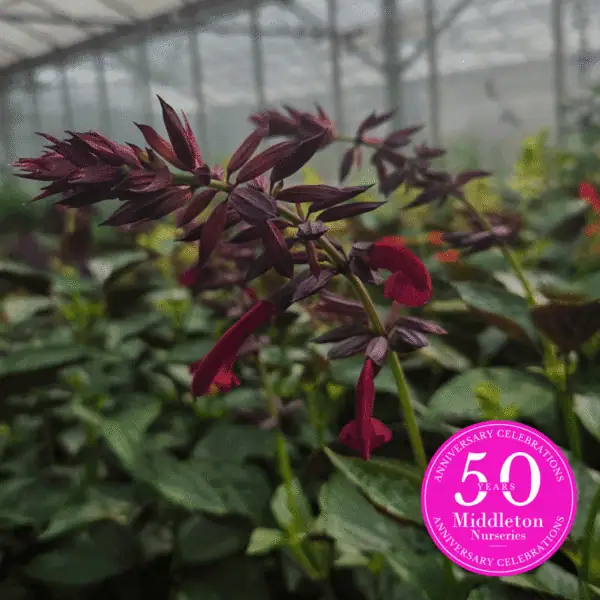
Red hot pokers pair well with blue salvias, grasses and rudbeckia. Combine warm oranges with cool blue salvia nemorosa for contrast, and add fine grasses to soften the spikes. Our companion planting guide has more ideas.
Common Kniphofia Problems
Slugs and snails feed on new flower spikes, and aphids can distort blooms. Root rots, such as fusarium and phytophthora, cause wilting and are best avoided by planting in well-drained soil and not replanting kniphofia where there has been infection. Following the steps above on how to grow kniphofia prevents most problems.
Now you know how to grow kniphofia, browse our UK-grown red hot pokers.
Shop Kniphofia at Middleton NurseriesFrequently Asked Questions
How to grow kniphofia in the UK?
How to grow kniphofia comes down to full sun, free-draining soil and protection from winter wet, with spring planting.
When does kniphofia flower?
From summer into autumn, depending on variety.
Is kniphofia hardy?
Most are reasonably hardy, but a few are more tender. Winter wet is the greater risk.
When should I cut back kniphofia?
Cut faded flower stems to the base, and clear dead foliage in late March or April.
How do I protect kniphofia in winter?
Tie the foliage over the crown or mulch with dry straw to keep the roots dry.
How do I divide kniphofia?
Divide established clumps in spring.
Do bees like kniphofia?
Yes, bees and butterflies visit the tubular flowers.