...

Pittosporum tenuifolium ‘Bannow Bay’ (Breebay)

Stock Availability: In Stock

P9(9cm Pot)

1 Litre(13cm Pot)

Any 3 plants (mix and match)

£25.00

£30.00

Save 5%

Any 6 plants (mix and match)

£45.00

£58.00

Save 10%

Any 9 plants (mix and match)

£65.00

£80.00

Save 15%

P9 (9cm)

1 Litre

Any 3 plants (mix and match)

£25.00

£30.00

Save 5%

Any 6 plants (mix and match)

£45.00

£58.00

Save 10%

Any 9 plants (mix and match)

£65.00

£80.00

Save 15%

More must-have additions for your garden

Plant information

Plant Description

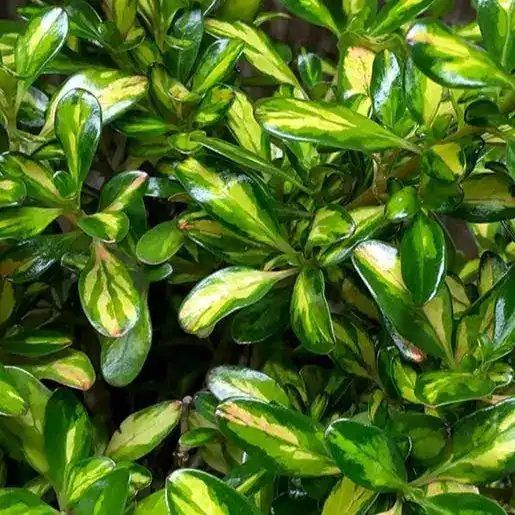
Pittosporum tenuifolium ‘Tom Thumb’ is a captivating evergreen shrub featuring enchanting purple foliage, accompanied by lovely purple flowers in spring. Flourishing in warm garden settings, this shrub displays its most vibrant colours when exposed to full sun, though it can also thrive in partial shade. During the initial planting, it is recommended to provide thorough watering, maintaining soil moisture without excessive saturation for the first two weeks. This thoughtful care regimen fosters a healthy establishment for ‘Tom Thumb,’ setting the stage for its ongoing beauty in the garden.

More Great Choices
Have an issue with this plant?​

🌿 How to Care for Pittosporum tenuifolium ‘Bannow Bay’ (Breebay)

How much sun do shrubs need?

Most shrubs do well in full sun to part shade, depending on the species. Ensure they’re planted in spots matching their light requirements for best growth and flowering.

Shrubs thrive in well-drained, fertile soil. Before planting, enrich the soil with compost and avoid areas where water pools to reduce the risk of root rot

Plant in spring or autumn when the weather is mild. Dig a hole twice as wide as the root ball, position the shrub at its original soil level, backfill gently, firm in, and water well.

Plant in spring or autumn when the weather is mild. Dig a hole twice as wide as the root ball, position the shrub at its original soil level, backfill gently, firm in, and water well.

A light fertiliser or compost mulch in early spring is usually sufficient. Avoid overfeeding, which can cause lush foliage at the expense of blooms.

Yes—regular pruning keeps shrubs healthy and in shape.

  1. Spring bloomers: prune immediately after flowering.
  2. Summer bloomers: prune in late winter or early spring.
    Remove dead, diseased, or crossing branches each year.

Shrubs are often propagated by softwood cuttings, hardwood cuttings, or division, depending on the type. Division in spring or autumn helps rejuvenate older plants.

Many shrubs are fully hardy, but some tender types may need winter protection. Planting in well-drained soil and protected spots helps them thrive.

Common issues can include aphids, powdery mildew, rust or fungal diseases, especially in overcrowded or damp areas. Improving air circulation and spacing helps prevent problems.

Annual light pruning improves airflow and encourages new growth. Rejuvenation pruning may be needed every few years to remove older wood and promote a fresh structure.