 Skip to content
Shop Digitalis

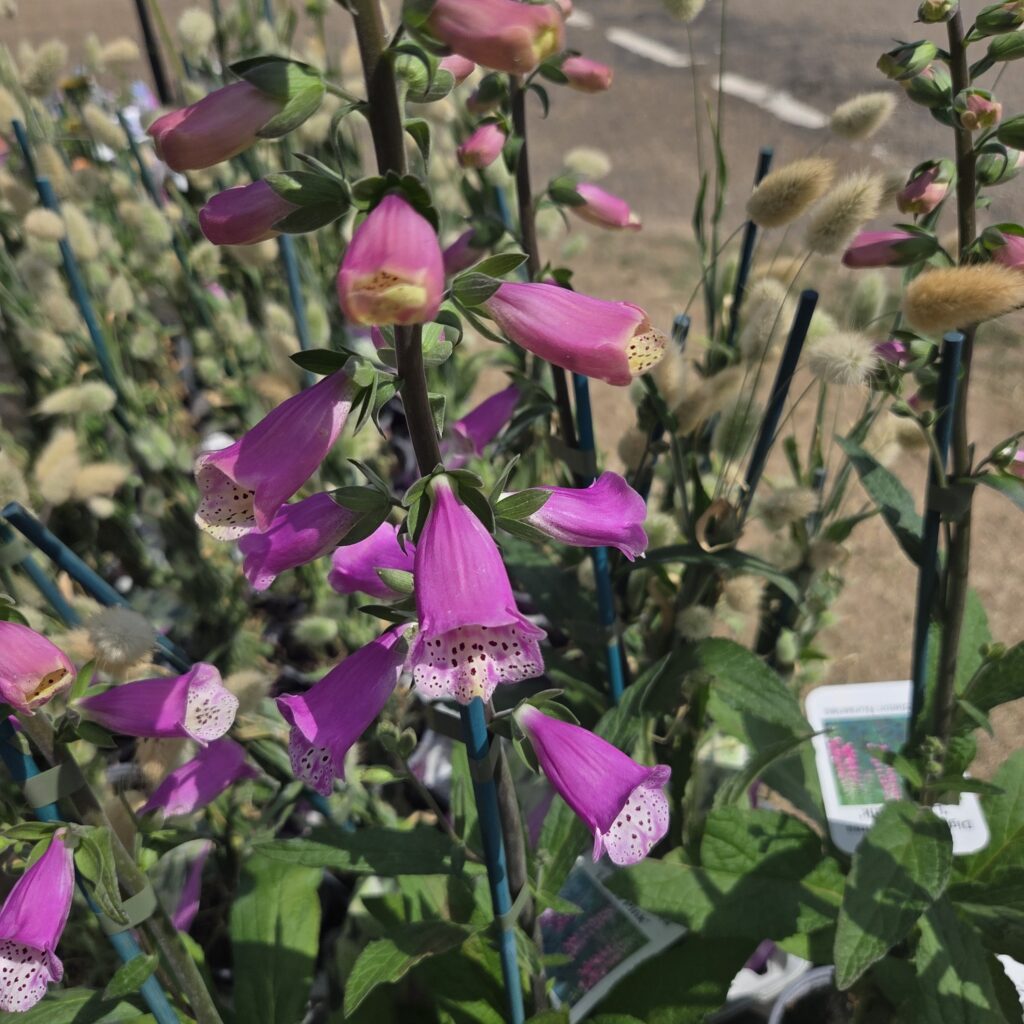
🌼 How to Care for Digitalis
Are Digitalis poisonous?
Digitalis plants are highly toxic. All parts contain cardiac glycosides that can cause nausea, vomiting, heart rhythm issues, and other serious symptoms if ingested. Wear gloves when handling and keep away from children and pets.
When do foxgloves bloom?
Most Digitalis varieties bloom from late spring to midsummer. Some cultivars can encourage additional blooms or have longer display periods with proper care.
What conditions do Digitalis plants prefer?
They thrive in moist, well‑drained soil with partial shade (though they tolerate full sun in cooler climates). Good airflow helps prevent disease. Avoid waterlogged soil to prevent root or crown rot.
How do I care for Digitalis plants?
- Water regularly, keeping soil moist but not soggy.
- Allow good drainage to prevent rot.
- After flowering, remove spent flower spikes to reduce excessive self‑seeding, unless you want new plants.
- Mulch in winter to protect roots in cold climates
What pests and diseases affect foxgloves?
Common problems include powdery mildew, leaf spots, and pest pressure from aphids and slugs. Good spacing, proper watering practices (avoid overhead watering), and healthy soil help reduce these issues
Do foxgloves self‑seed?
Yes — many Digitalis types readily self‑seed if allowed. Leaving a few seed pods to mature will often result in new plants the following year.
Can foxgloves tolerate frost?
Yes — many Digitalis species are frost-hardy, especially the dead wood left over winter, which actually protects the plant. Hardy varieties can survive cold winters, but young seedlings may need light protection or mulch in very harsh conditions. More vigorous varieties can be trimmed again in early summer to maintain shape.
How do I propagate Digitalis?
Digitalis can be propagated by seed (most common) or basal cuttings.
Seeds: Sow in trays or directly in soil in spring or autumn. Keep soil moist and lightly shaded. Seedlings usually appear in 2–3 weeks.
Basal cuttings: Take young shoots in spring, plant in moist, well-draining soil, and keep shaded until established.
For more growing advice and detailed information on different Achillea varieties, visit the Royal Horticultural Society’s guide or Gardeners’ World magazine.