 Skip to content

Shop Echinacea


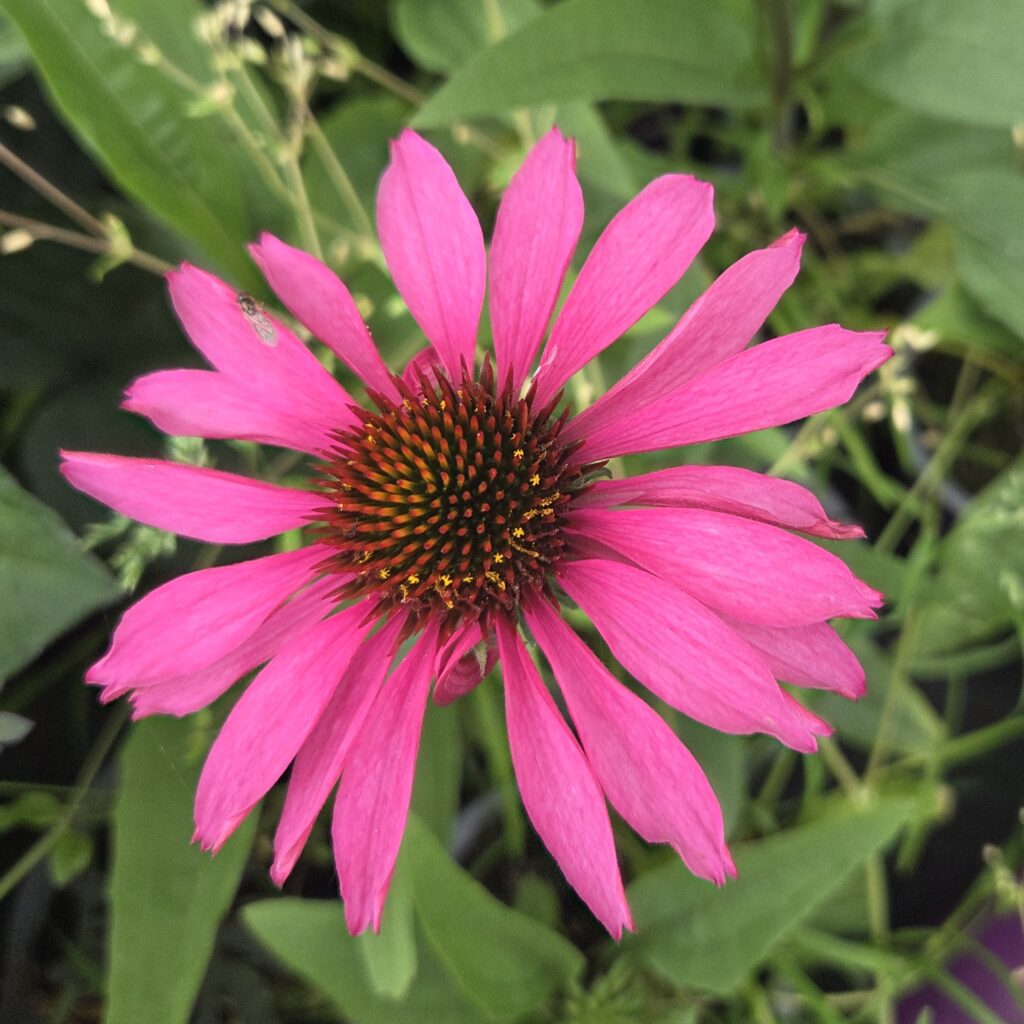
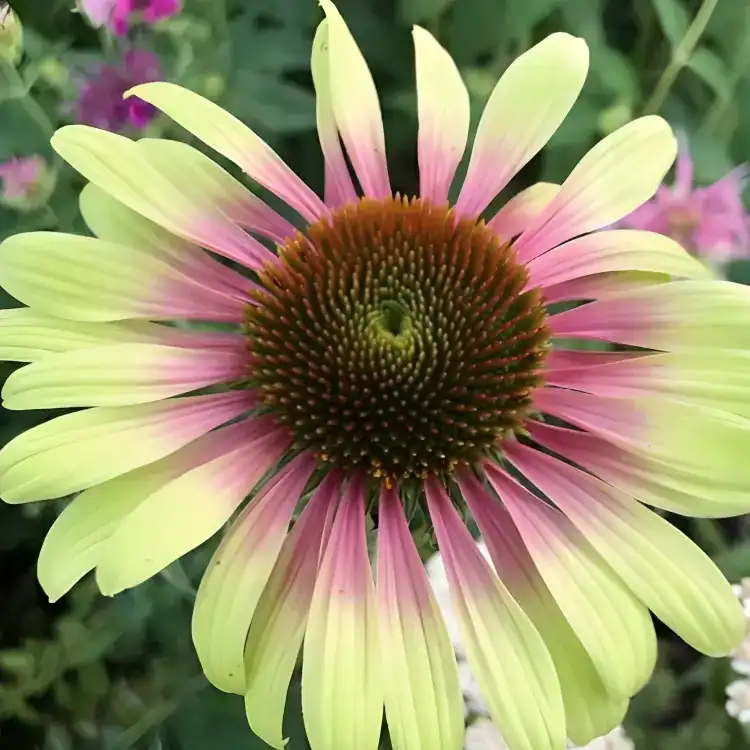
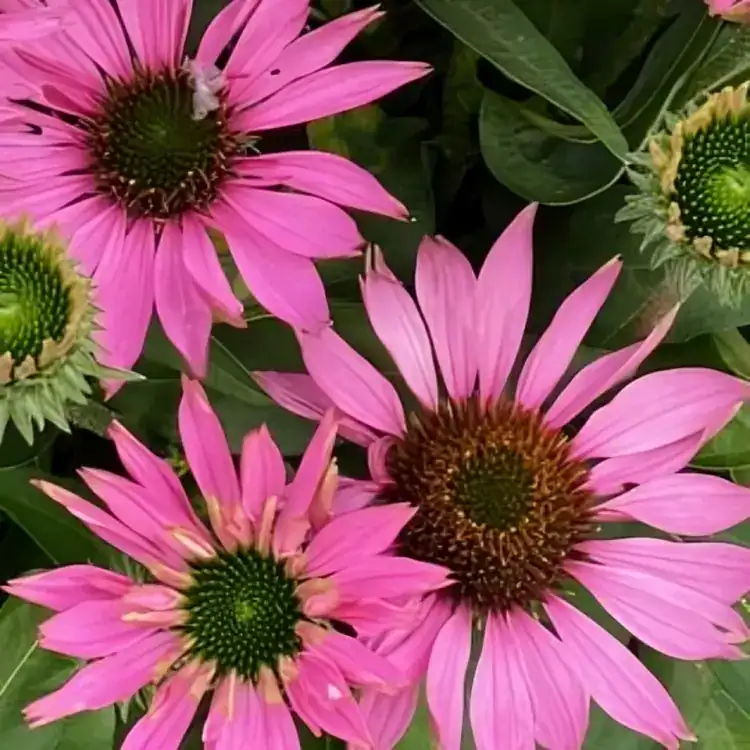
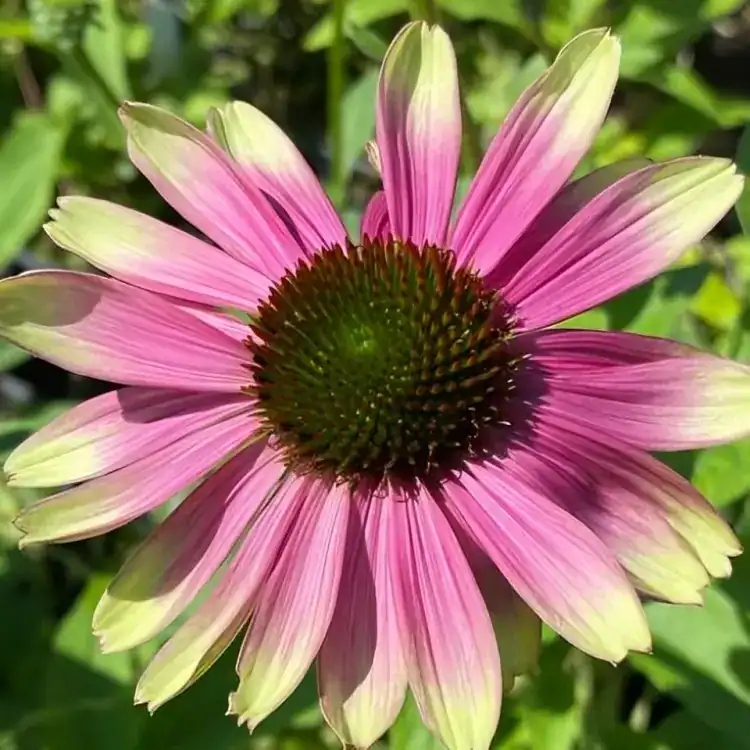
🌼 How to Care for Echinacea Plants
How much sun does Echinacea plants need?
Echinacea thrives in full sun, ideally 6–8 hours a day. It tolerates light shade, especially in very hot regions, but more sun gives stronger flowering.
What kind of soil and drainage do they prefer?
They prefer well‑drained soil, ranging from sandy to loamy or chalky. Heavy clay or wet soils can lead to poor growth or rot.
When and how should I plant Echinacea?
Plant in spring or early autumn (avoid frost periods). Space plants at least 30–60 cm apart for airflow. Keep soil moist during establishment, then reduce watering once established.
When will my Echinacea plants bloom?
They may take one to two years to flower. Spring-sown plants often bloom the following year; autumn-sown may flower in the same season.
How often should I water Echinacea plants?
Water regularly in the first season, keeping the soil moist but never waterlogged. Once established, echinacea is quite drought tolerant and needs watering only during dry spells.
Does it need fertiliser Echinacea plants?
In well-drained, fertile soil, minimal feeding is needed. If soil is poor, a light spring mulch or balanced feed helps—avoid high-nitrogen fertilizers, which encourage foliage over flowers.
Should I deadhead or prune Echinacea plants?
Deadhead faded flowers to encourage repeat blooms. At the end of the season, you can leave seedheads for wildlife then cut all stems down in spring for clean regrowth.
How do I propagate Echinacea plants?
They grow easily from seed—cold stratification in winter improves germination. Division is possible but slow due to deep taproots; self-sowing often fills gaps naturally.
Is Echinacea hardy in UK gardens?
Most varieties are fully hardy, though in soggy winters root crowns may rot. Good drainage or growing in containers helps prevent issues.
For more growing advice and detailed information on different Achillea varieties, visit the Royal Horticultural Society’s guide or Gardeners’ World magazine.