...

Pennisetum alopecuroides ‘Red Head

Stock Availability: In Stock

P9(9cm Pot)

1 Litre(13cm Pot)

Any 3 plants (mix and match)

£25.00

£30.00

Save 5%

Any 6 plants (mix and match)

£45.00

£58.00

Save 10%

Any 9 plants (mix and match)

£65.00

£80.00

Save 15%

P9 (9cm)

1 Litre

Any 3 plants (mix and match)

£25.00

£30.00

Save 5%

Any 6 plants (mix and match)

£45.00

£58.00

Save 10%

Any 9 plants (mix and match)

£65.00

£80.00

Save 15%

Plant information

Plant Description

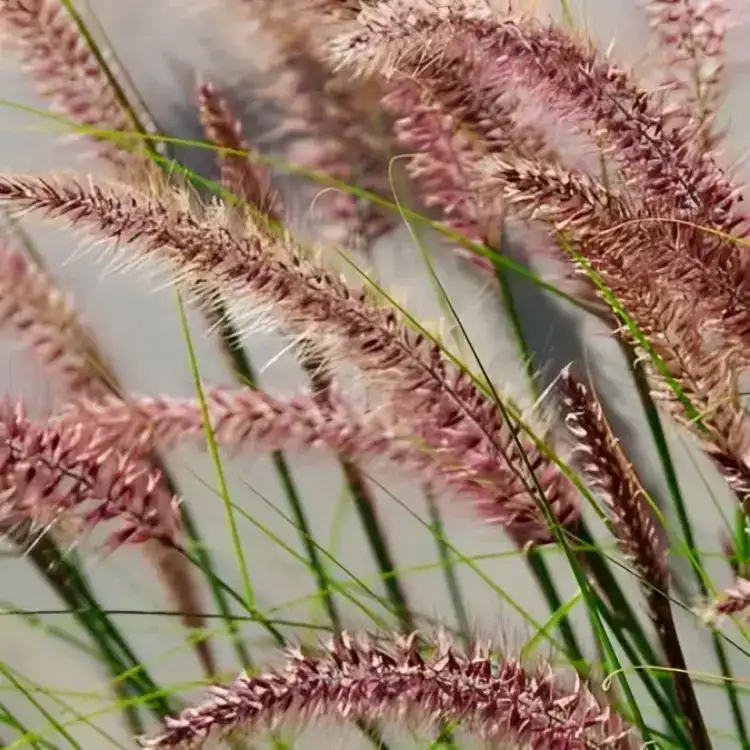
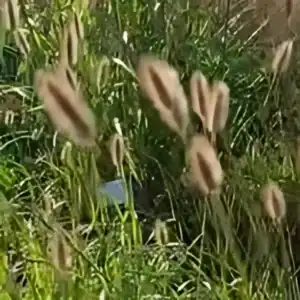
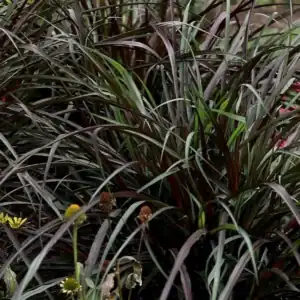
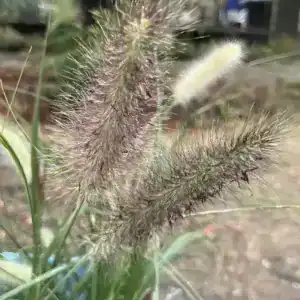
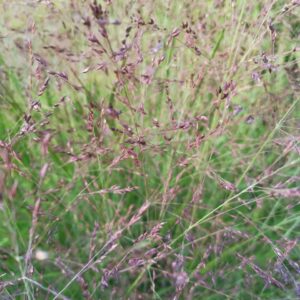
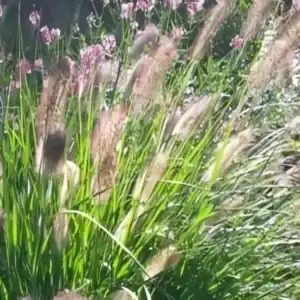
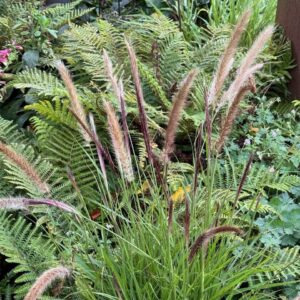
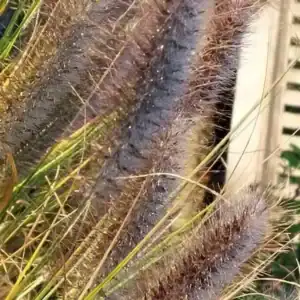
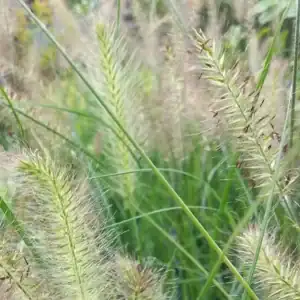
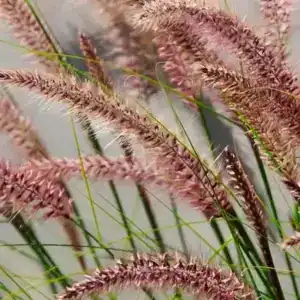
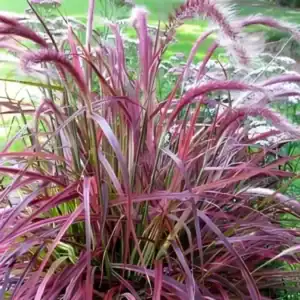
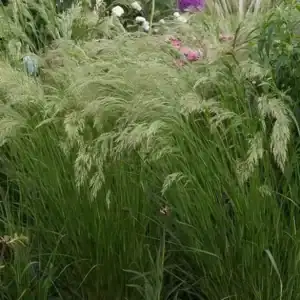
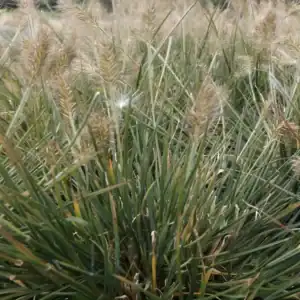
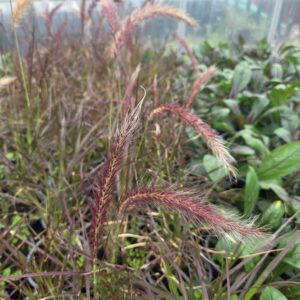
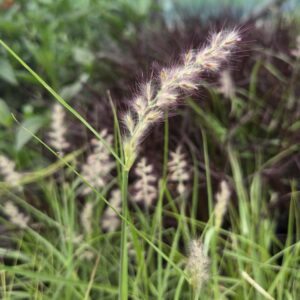
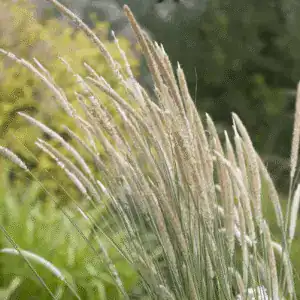
Pennisetum alopecuroides ‘Red Head” is a dynamic grass celebrated for its glossy dark green foliage. In the summertime, it presents slender, oblong panicles of red flowers. Tailored for borders and wildlife gardens, this grass attracts pollinating insects with its vibrant blooms. Its compact structure makes it well-suited for both pots and sunny borders, providing versatility in garden layouts .’Red Head’ is hardy, usually requiring no special protection unless faced with an exceptionally severe winter. This resilient and visually captivating grass adds a lively ambiance to outdoor spaces.

Have an issue with this plant?​

🌿 How to Care for Pennisetum alopecuroides ‘Red Head

How much sun do Pennisetum alopecuroides ‘Red Head need?
Pennisetum alopecuroides ‘Red Head thrive in full sun (6–8 hours daily). Some varieties can tolerate partial shade, but flowering may be reduced.
Pennisetum alopecuroides ‘Red Head prefer well-drained soil, ideally light and moderately fertile. Heavy, waterlogged soil should be avoided to prevent root issues.
The best time to plant Pennisetum alopecuroides ‘Red Head is spring or early autumn. Space them according to their mature size, plant at the same depth as their containers, firm in, and water well.
Water Pennisetum alopecuroides ‘Red Head regularly during their first growing season. Once established, most grasses are drought-tolerant and only need water during prolonged dry periods.
Pennisetum alopecuroides ‘Red Head don’t need much feeding. In poor soils, a light compost mulch or a slow-release fertiliser in early spring is sufficient. Too much feeding can make them floppy.
Pennisetum alopecuroides ‘Red Head should be left standing over winter to protect the crown and add structure. In late spring, once new growth appears, cut back dead foliage to just above the fresh shoots.
Divide Pennisetum alopecuroides ‘Red Head into clumps every 2–4 years to keep them healthy. The best time is early spring before new growth or late summer for warm-season types.
Pennisetum alopecuroides ‘Red Head are usually low-maintenance and pest-resistant. In overly wet or crowded conditions, issues like mildew, rust, or aphids may occasionally appear.

Common reasons include too much shade, overfeeding, or lack of division. Move to a sunnier spot, divide overgrown clumps, and avoid high-nitrogen fertiliser.

Join the Middleton Nurseries Gardening Club

Stay in the loop with exclusive promotions, news, and updates. Sign up now and enjoy 10% off your next order