
TL;DR
- The best digitalis varieties give tall, elegant spires for bumblebees in early summer, and suit cottage borders and woodland edges.
- Some foxgloves are biennial (common foxglove) and others are short-lived or clump-forming perennials, so check the label.
- Plant in humus-rich soil in partial shade, or sun if the soil stays moist; avoid very wet or very dry sites.
- Deadhead to stop self-seeding, or leave a few spikes to seed.
- All foxgloves are poisonous: wear gloves and plant with care around children and pets.
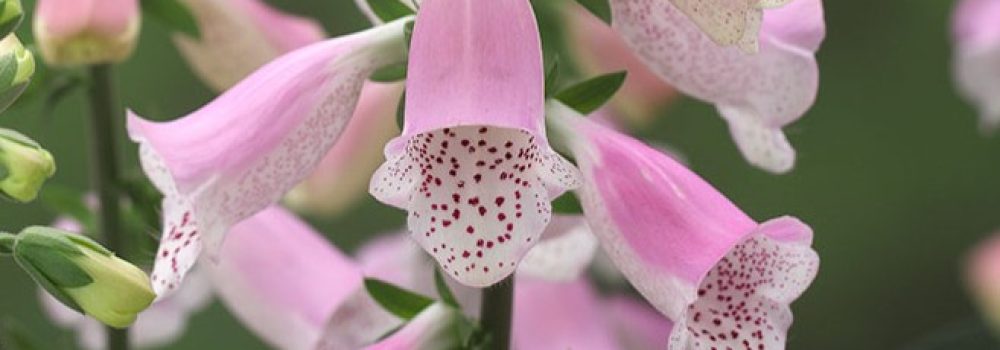
The best digitalis varieties bring height, structure and a feast for bumblebees to borders in early summer, with spires in everything from soft pink to apricot and deep purple.
Foxgloves suit cottage gardens, woodland edges and mixed borders alike. This guide explains how to choose between biennial and perennial types, how to plant and care for them and how to keep them safe, drawing on RHS advice and the perennials we grow at Middleton Nurseries.
Quick Facts
| Common name | Foxglove |
| Habit | Biennial or short-lived perennial |
| Flowering | Late spring to midsummer |
| Height | From about 60cm to over 1.5m |
| Position | Partial shade; sun if soil stays moist |
| Soil | Humus-rich, moisture-retentive, well-drained |
| Pruning | Deadhead; cut back after flowering |
| Caution | All parts are poisonous |
What Are the Best Digitalis Varieties?
The best digitalis varieties depend on whether you want tall, self-seeding drama or a longer-lived perennial. The RHS profile for common foxglove shows a plant of 1.5 to 2.5m that matures in one to two years, which fits its usual biennial pattern.
Biennial foxgloves
Biennial foxgloves form a rosette in the first year and flower in the second, then self-seed freely. They give the tall, naturalistic look of woodland and cottage gardens.
Perennial foxgloves
The RHS describes Digitalis ferruginea as a vigorous biennial or short-lived perennial, and Digitalis lutea as a clump-forming herbaceous perennial to about 60cm. These smaller, more refined types suit tidy borders.
Digitalis Varieties We Grow at Middleton Nurseries
These are some of the digitalis currently available from our nursery. Stock changes through the season, so check each product page for availability.
- Digitalis x valinii ‘Firecracker’ (Foxglove)
- Digitalis ‘Arctic Fox Rose’ (Foxglove)
- Digitalis x purpurea ‘Lucas White’ (Foxglove)
- Digitalis ‘Hanabee™ Pink’ (Foxglove)
- Digitalis x purpurea ‘Apple Blossom’ (Foxglove)
- Digitalis x purpurea ‘Lucas Pink’ (Foxglove)
- Digitalis x purpurea ‘Panther’ (Foxglove)
Browse the full digitalis range to compare colours and heights.
How to Grow Digitalis
Light and soil
The RHS recommends humus-rich soil in partial shade, though foxgloves grow in full sun if the soil stays moist. They tolerate almost any soil, but avoid very wet or very dry situations.
Planting and sowing
Plant young plants in spring or autumn and water them in well. For biennials, the RHS suggests sowing seed where the plants are to grow in late spring, or in trays and moving seedlings out in late summer.
Deadheading and self-seeding
Deadheading regularly stops self-seeding if you do not want seed. For a naturalistic look, leave a few flower spikes to ripen and scatter seed.
Mulch around foxgloves in spring with garden compost, to hold moisture and feed the soil gently. Staking is rarely needed for plants in sheltered spots, but tall biennials on exposed sites may need support. Keep an eye out for slugs on young plants, because they can strip a seedling overnight. Choosing the best digitalis varieties for your conditions, and giving them a good start, makes all the difference to how well they establish.
Digitalis Care Through the Year
SpringPlant; protect young growth from slugs.
SummerDeadhead, or leave a few spikes to seed.
AutumnPlant seedlings in their final positions; tidy foliage.
WinterKeep crowns free from waterlogging.
Cut plants back after flowering if you want to keep the border tidy. Biennial foxgloves need renewing every year or two, either by sowing or by letting a few seedlings grow on.
Digitalis Companions and Wildlife
Foxgloves pair well with geraniums, astrantia and soft salvias, and their tall spires add height behind lower plants. Bumblebees love the tubular flowers. See our salvias for cottage gardens guide, astrantia guide and pollinator guide for planting partners.
Foxgloves are among the best plants for bumblebees, because the long tubular flowers suit their tongues. Plant the best digitalis varieties in groups, so insects can find them easily, and leave some seed heads standing in late summer for birds and for self-sown seedlings next year.
Digitalis Safety and Problems
Foxgloves are poisonous. The RHS advises wearing gloves and other protective equipment when handling the plant, and treats it as toxic to pets, so plant with care and wash your hands after gardening. The usual pests are aphids and leaf and bud eelworm, plus slugs on young growth. Plants that fade after flowering are behaving normally if they are biennials.
Ready to pick from the best digitalis varieties? Browse our UK-grown foxgloves and choose colours for your border.
Shop Digitalis at Middleton NurseriesFrequently Asked Questions
What are the best digitalis varieties for UK gardens?
The best digitalis varieties depend on your garden: biennial common foxgloves for tall, naturalistic planting, and perennial types such as Digitalis lutea or ferruginea for tidier borders.
Are foxgloves perennial?
Common foxglove is usually biennial, while some other species are short-lived or clump-forming perennials. Check the label.
Do foxgloves like shade?
Yes, they do well in partial shade, and tolerate sun in moist soil.
When do foxgloves flower?
Late spring to midsummer, depending on species.
Are foxgloves poisonous?
Yes. Wear gloves when handling them, and plant with care around children and pets.
How do I grow foxgloves from seed?
Sow seed in late spring where plants will grow, or in trays and move seedlings out in late summer.
Do bees like foxgloves?
Yes, bumblebees in particular feed from the tubular flowers.