Shop Rudbeckia
🌼 How to Care for Rudbeckia
How much sun does Rudbeckia need?
Rudbeckias thrive in full sun, though some tolerate light afternoon shade. Too little sun can reduce flowering.
What kind of soil and drainage does it prefer?
They prefer moist, well-drained, moderately fertile soil—such as loamy, sandy, or chalky types. Avoid waterlogged ground to prevent root rot.
When and how should I plant Rudbeckia?
Plant perennials in spring (March–April) and annual types after the last frosts (May–June). Prepare the soil with compost, plant at the same depth as in pots, space 25–90 cm apart depending on variety, and firm in gently before watering well.
How often should I water Rudbeckia?
Water regularly when establishing, especially during hot, dry periods. Once established, it is moderately drought-tolerant—but avoid allowing the soil to dry out completely.
Does it need fertiliser?
Minimal feeding is required if soil is in good health. A light slow-release feed or compost mulch in spring helps encourage healthy growth. Too much fertiliser can result in floppy stems.
Should I deadhead or prune it?
Yes—remove spent blooms to encourage more flowers. Leave a few seed heads if wildlife seed is desired. Cut back to ground level in late autumn or early spring.
How do I propagate Rudbeckia?
Propagate through seeds (sown in spring or autumn) or division every 3–5 years in spring or autumn. Most perennials benefit from division to maintain vigour.
Is it hardy in UK gardens?
Most Rudbeckias are fully hardy and survive well through UK winters. Container-grown or half-hardy varieties may benefit from extra protection.
What pests or diseases affect it?
Generally pest-resistant, but occasionally powdery mildew, rust, aphids, slugs or snails may appear, especially in damp or crowded conditions. Good spacing and drainage help prevent issues.
How tall does Rudbeckia grow and when does it flower?
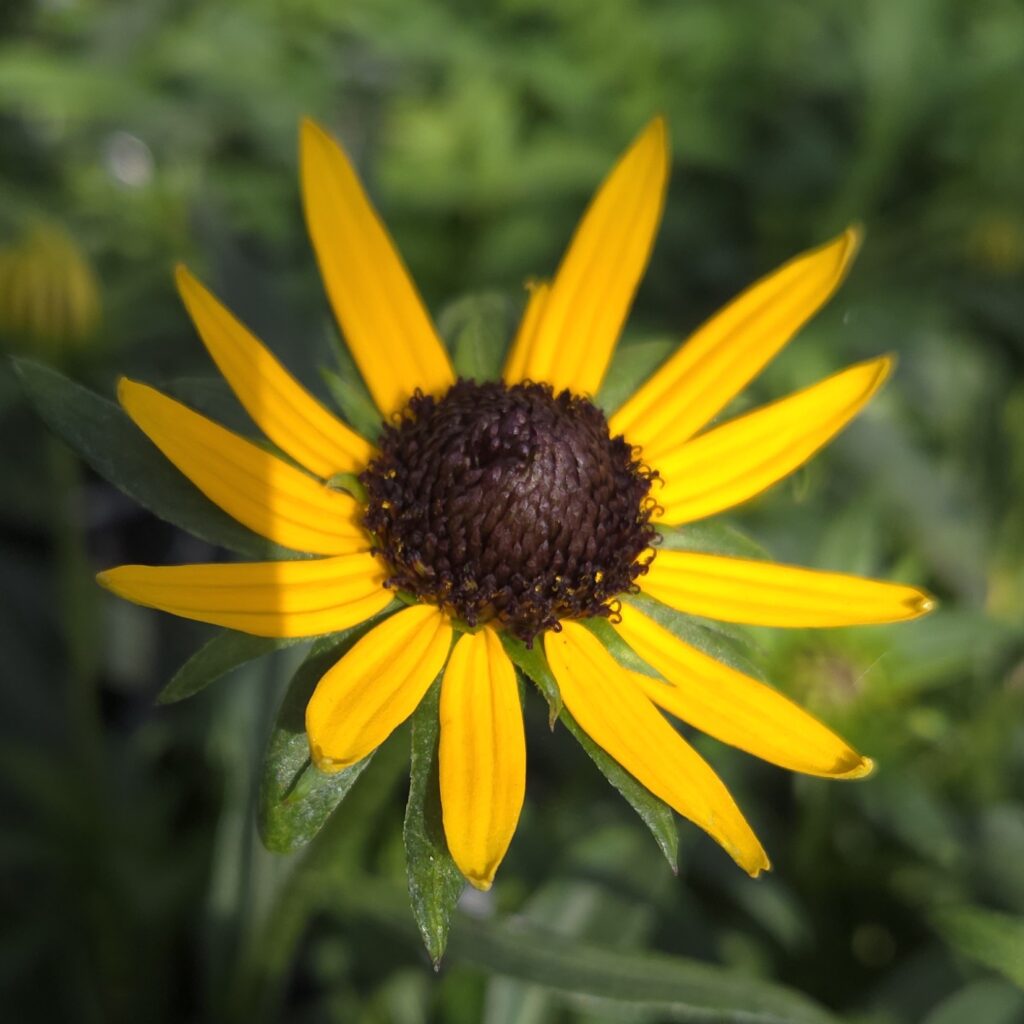
Height varies from around 25 cm up to 3 m, depending on species or variety. They typically flower from June through September, with showy daisy‑like blooms that may attract pollinators and birds.