0
0
Categories: ,

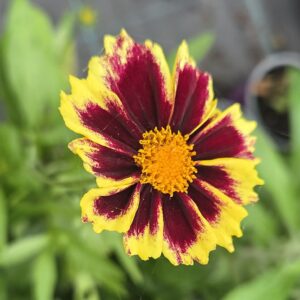
Rudbeckia hirta Goldilocks

✅ Out of Stock • Dispatched from our nursery

✅ Free delivery over £59.99

This product is currently out of stock and unavailable.

Email when stock available

Smaller sizes establish quickly • Larger sizes give a instant impact

Seasonal availability helps us send plants at their best

Exceptional plants, better value

Mix & match • Create your own combination • Pot sizes subject to availability

P9(9cm Pot)

1 Litre(13cm Pot)

3+ plants

£25.00

£30.00

Save 5%

6+ plants

Most Popular!

£45.00

£58.00

Save 10%

9+ plants

£60.00

£80.00

Save 15%

Exceptional plants, better value

Mix & match • Create your own combination

P9 (9cm)

1 Litre

3+ plants

£25.00

£30.00

Save 5%

6+ plants

Most popular!

£45.00

£58.00

Save 10%

9+ plants 

£65.00

£80.00

Save 15%

More must-have additions for your garden

Plant information

Plant Description

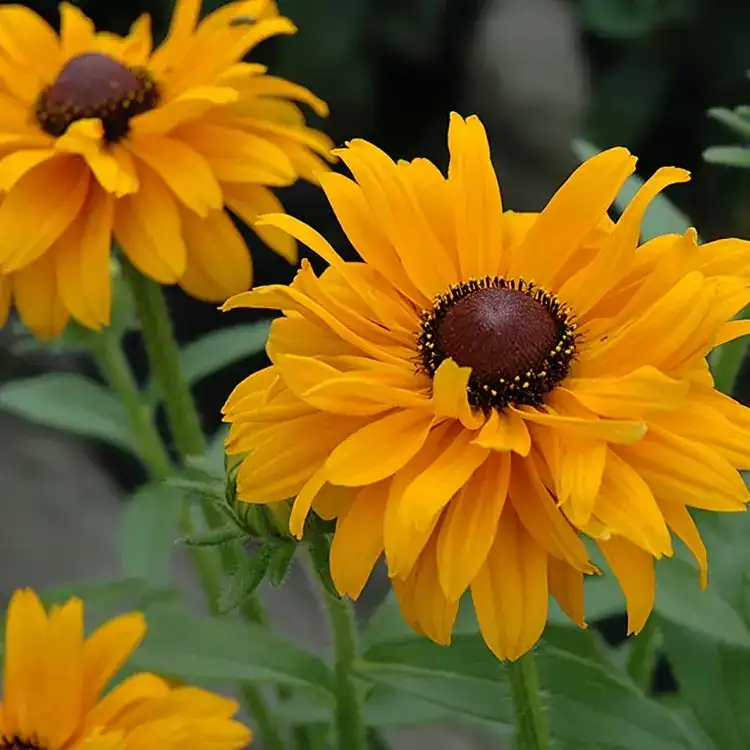
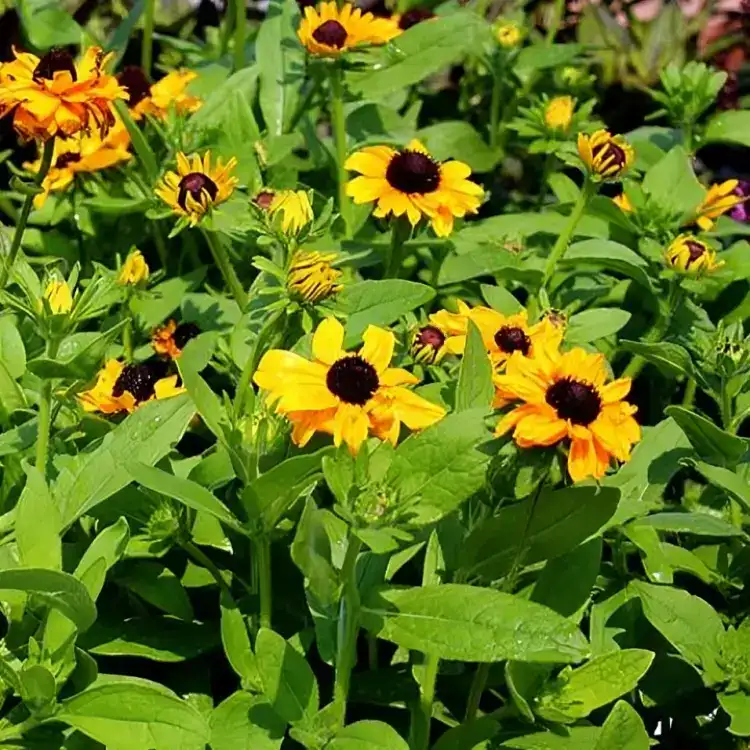
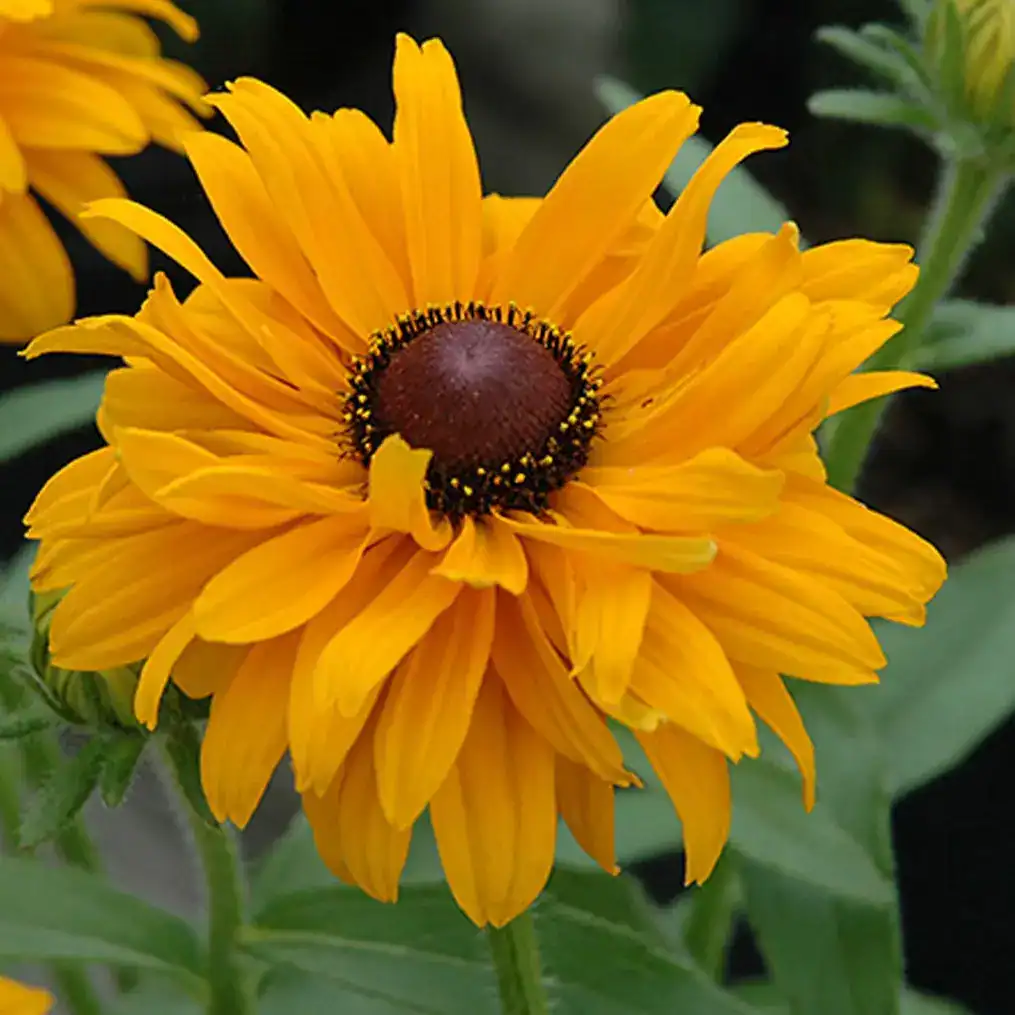
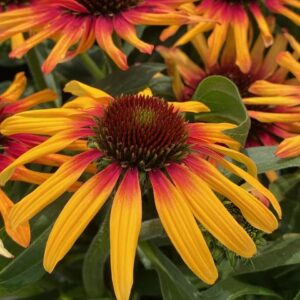
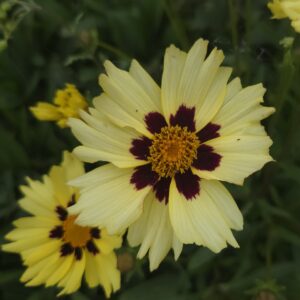
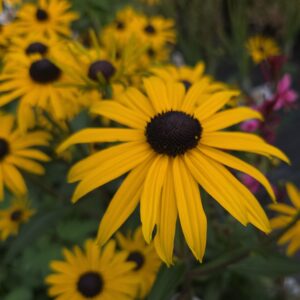
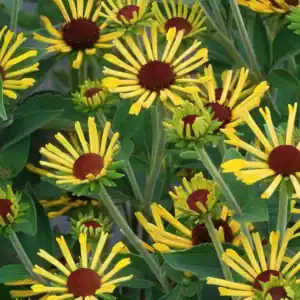
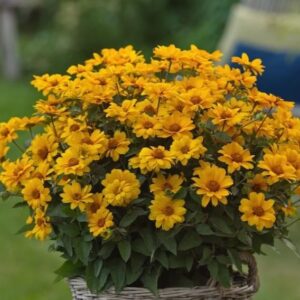
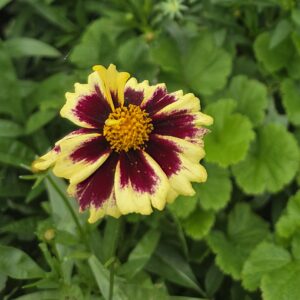
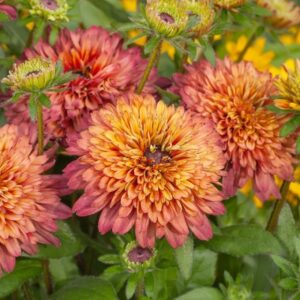
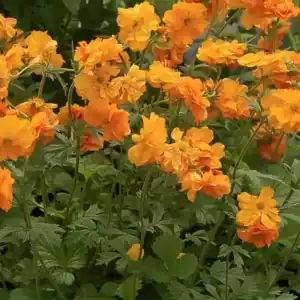
Rudbeckia hirta Goldilocks is a black-eyed Susan with rich yellow double and semi-double flowers and a dark brown central cone, produced on leafy, upright stems from mid summer into autumn. The RHS describes it as a biennial or short-lived perennial that is usually grown as an annual, with bristly green leaves.

This is a cheerful plant for cottage borders, courtyards and patio containers, and the RHS lists it for cut flowers too. Mix Goldilocks with blue salvias, purple verbena or silvery foliage, or use it as a bright block in a mixed summer pot where its upright habit gives height.

Goldilocks does best in full sun or partial shade in moderately fertile soil that is well drained but does not dry out. It is rated H3, which means half hardy, frost tender (-5 to 1C), and the RHS says it is best grown as a half-hardy annual. Plant out after the last frost, in May to June, hardening plants off first.

Deadhead spent flowers regularly, and compost the plants in late autumn unless you want to try overwintering them in a frost-free place. Plants come from our family nursery in Staffordshire, sent as young plants that are ready to grow on, in a choice of pot sizes.

More Great Choices

🌿 How to Care for Rudbeckia hirta Goldilocks

How much sun do Rudbeckia hirta Goldilocks need?
Rudbeckia hirta Goldilocks thrives in full sun—around six hours a day. While it can tolerate light shade, you’ll get the best flowering in bright, open spots.
Rudbeckia hirta Goldilocks prefers well-drained soil, ideally sandy or chalky. Rich or heavy soils can cause the plant to flop and reduce flower production.
Water well during the first growing season to help it establish. Once settled, Rudbeckia hirta Goldilocks is drought-tolerant and rarely needs extra water unless it’s extremely dry.
Rudbeckia hirta Goldilocks doesn’t require much at all. In fact, too much fertiliser—especially nitrogen—can lead to more leaves and fewer flowers. A light feed in spring is plenty, if needed.
Yes—regularly remove faded flowers from Rudbeckia hirta Goldilocks to encourage more blooms and stop self-seeding. You can cut the plant back in autumn or early spring to tidy it up and boost new growth.
Divide Rudbeckia hirta Goldilocks into clumps every 3 to 5 years in spring or autumn to keep them healthy and vigorous. You can also take soft cuttings in spring.
Yes, Rudbeckia hirta Goldilocksis drought handy. Once it’s established, it copes brilliantly in dry conditions, making it perfect for sunny borders and gravel gardens.
Rudbeckia hirta Goldilocks is generally low-maintenance, but it can occasionally suffer from aphids or powdery mildew—especially in humid or overcrowded spots. Good airflow and spacing usually prevent problems.
Middleton Gardening Club logo

Join the Middleton Gardening Club

Stay in the loop with exclusive promotions, news, and updates. Sign up now and enjoy 10% off your next order